

Dick's Sporting Goods Lowers Profit Outlook Amid Footwear Weakness
Dick's Sporting Goods reduced its full-year profit forecast after Q2 revenue missed expectations, citing a 'challenging' footwear market.
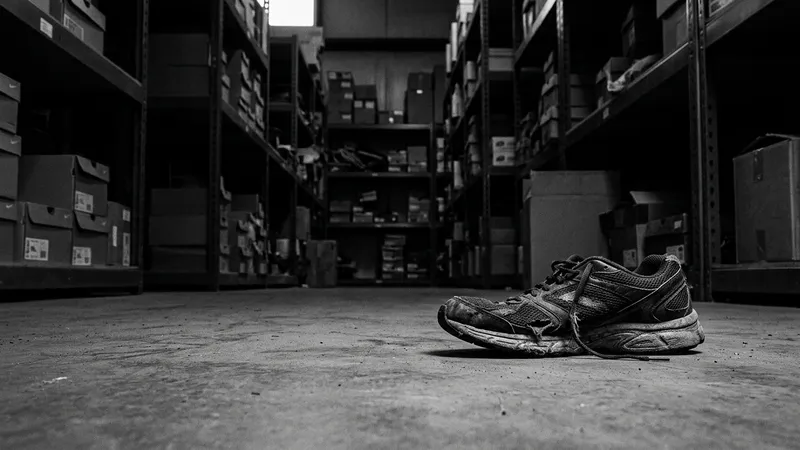
Dick's Sporting Goods announced a downward revision of its full-year profit projections on Tuesday, following a second-quarter revenue performance that did not meet Wall Street's expectations. The company attributed this adjustment primarily to a "challenging" market within its footwear segment. This development immediately impacted the company's stock value and initiated broader discussions concerning consumer discretionary spending habits across the retail sector.
The retail industry entered the current earnings season with investors closely monitoring how consumers allocate funds for non-essential purchases. Despite a varied landscape of economic indicators, market participants had adopted a cautious approach towards retail stocks, sensitive to any signs suggesting an economic slowdown. Dick's Sporting Goods' financial disclosures are frequently regarded as a key indicator for the wider sporting goods industry's health.
Revised Guidance Signals Sector Challenges
The updated financial guidance from Dick's, which details its anticipated performance, is closely scrutinized for insights into the overall sporting goods retail environment. The reduction in its full-year Earnings Per Share (EPS) forecast, a critical measure of profitability, indicates that management anticipates ongoing difficulties extending beyond the immediate quarter. This situation could point to a more prolonged period of market challenges.
Company management specifically identified a "challenging" footwear market, highlighting potential issues related to inventory levels and consumer demand that might not be isolated to a single retailer. Recent reports concerning major footwear brands such as Nike and Adidas have also been examined for indications of slower growth and surplus inventory within their distribution channels.
The competitive landscape for prominent retailers, including Dick's, Foot Locker, and Academy Sports + Outdoors, remains intense.
Consumer Spending Concerns Validated
A downturn in performance from a leading brand or a shift in consumer preferences can swiftly affect sales, suggesting an increasingly promotional environment that could compress profit margins across the sector. The insights derived from the Dick's report extend beyond the company's specific performance. They reinforce existing concerns about a potential slowdown in consumer spending on non-essential items, directly impacting the consumer discretionary segment.
Investors who had anticipated robust consumer activity may now reassess their assumptions based on these latest results. The precise identification of weakness within the footwear category places direct pressure on the shares of competitors such as Foot Locker and Hibbett Sports. The market will likely assume these companies face similar challenges until their own financial reports provide contrasting evidence, complicating the outlook for major brands like Nike and Under Armour.
If a significant retail partner such as Dick's struggles with footwear sales, it could indicate either diminishing brand appeal or a more widespread inventory glut that will necessitate deeper discounts to clear stock. Such dynamics could lead financial analysts to reduce earnings estimates for the entire sporting goods ecosystem, potentially lowering the valuation multiples investors are willing to assign to these companies.
Upcoming Retail Reports
Market attention will now shift to forthcoming quarterly results from other retailers and brands for further confirmation of these trends. Earnings announcements from Foot Locker, Hibbett Sports, and Academy Sports + Outdoors, along with commentary from Nike and Under Armour, will be crucial.
Should these companies confirm a difficult consumer environment and challenging footwear market conditions before the reporting cycle concludes, likely around late November, the sector could face additional downward re-ratings. Conversely, if their performances remain stable, the miss by Dick's may be re-interpreted as a company-specific operational issue rather than a broader industry trend.
More stories
- Kyiv playground blast puts Ukraine air-defense stocks back on Washington’s agenda
- Rubio’s Athens speech hardens Washington’s public line on Iran
- Saudi airport hit in new Houthi attack, officials say
- Houthis claim Riyadh airport strike as injuries reported
- Germany Reaffirms Russia Sanctions Amid Potential US Policy Shift
- China beats Thailand 2-0 to reach junior badminton final
- Brussels Gun Violence Escalates Near Transit Hub Amid Drug Retaliation
- UK Data Centers' Emissions Forecast to Exceed ExxonMobil's
- Russian Drone Strike Kills 14 in Deadly Attack on Kryvyi Rih
- Aveanna Healthcare Resolves Major Medicaid Rate Disputes