Delhi declared monsoon onset, but rain stays patchy as winds shift
India’s weather office marked monsoon arrival in Delhi on July 2, but the capital has yet to see sustained monsoon-style rainfall, raising questions about…
Mei Lin ·
# Delhi declared monsoon onset, but rain stays patchy as winds shift
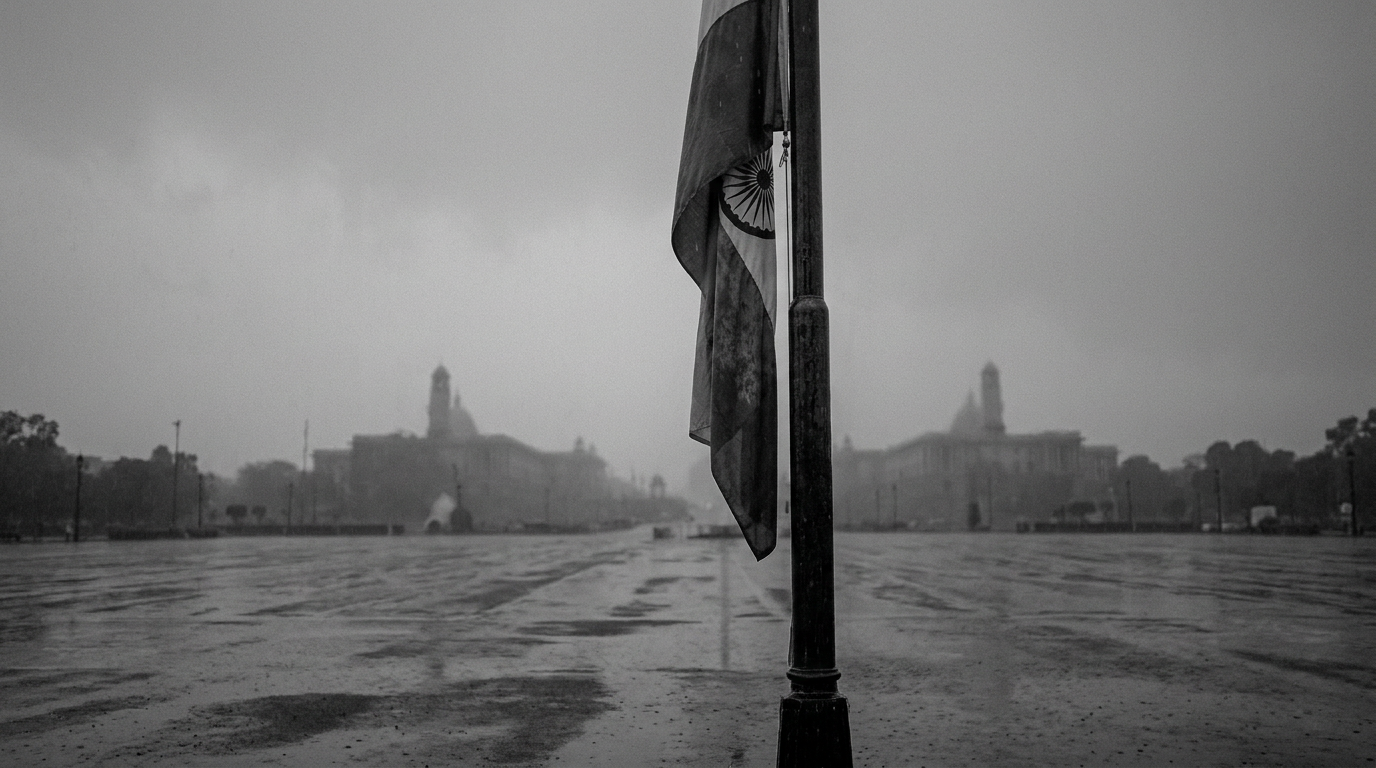
Delhi was declared to have entered the monsoon phase on July 2, but residents are still waiting for the kind of steady, soaking rain that usually defines the season. The gap between an “onset” call and what people feel on the ground is not unusual, and it often comes down to how monsoon winds and rain-bearing systems line up over North India.
North India
The monsoon in India is tracked by the India Meteorological Department (IMD), which issues onset declarations using a set of meteorological criteria, including rainfall distribution and changes in wind patterns and humidity. An onset over a region does not guarantee uniform rainfall every day; it signals that the broader monsoon circulation has reached that area.
For Delhi and the wider northwestern plains, rainfall can be highly sensitive to where low-pressure systems form and how moisture flows from the Arabian Sea and Bay of Bengal. If those systems track east or concentrate over the Himalayan foothills, Delhi can sit on the edge of active rainfall even after the IMD has called monsoon onset.
An uneven start in the capital is more than a lifestyle inconvenience in peak summer. Delhi’s power demand, heat stress, and air quality can all be affected by whether monsoon rains arrive as sustained wet spells or in short, scattered bursts; a delayed “monsoon feel” can keep cooling demand elevated and slow the seasonal drop in temperatures.
North India
Beyond Delhi, the distribution of early monsoon rainfall across North India matters for agriculture logistics and food inflation dynamics, with spillovers into regional supply chains. A patchy pattern can also influence water management decisions upstream and downstream in the Yamuna basin, which intersects with urban water supply and flood-control planning.
By 2025-07-15, watch whether the IMD issues forecasts showing a sustained wet spell over Delhi and adjoining parts of northwest India (rather than isolated thunderstorms), alongside signs of an active monsoon trough positioned closer to the plains. If that pattern sets up and holds for several days, Delhi should see more consistent monsoon rainfall; if forecasts keep the heaviest activity anchored farther east or along the Himalayan foothills, the city is likely to continue with intermittent showers despite the official onset call.