Cuba warns it will defend against any U.S. invasion
Cuba said April 12, 2026 it would resist any U.S. invasion, citing sovereignty amid renewed tensions and references to past conflicts.
Lauren Collins ·
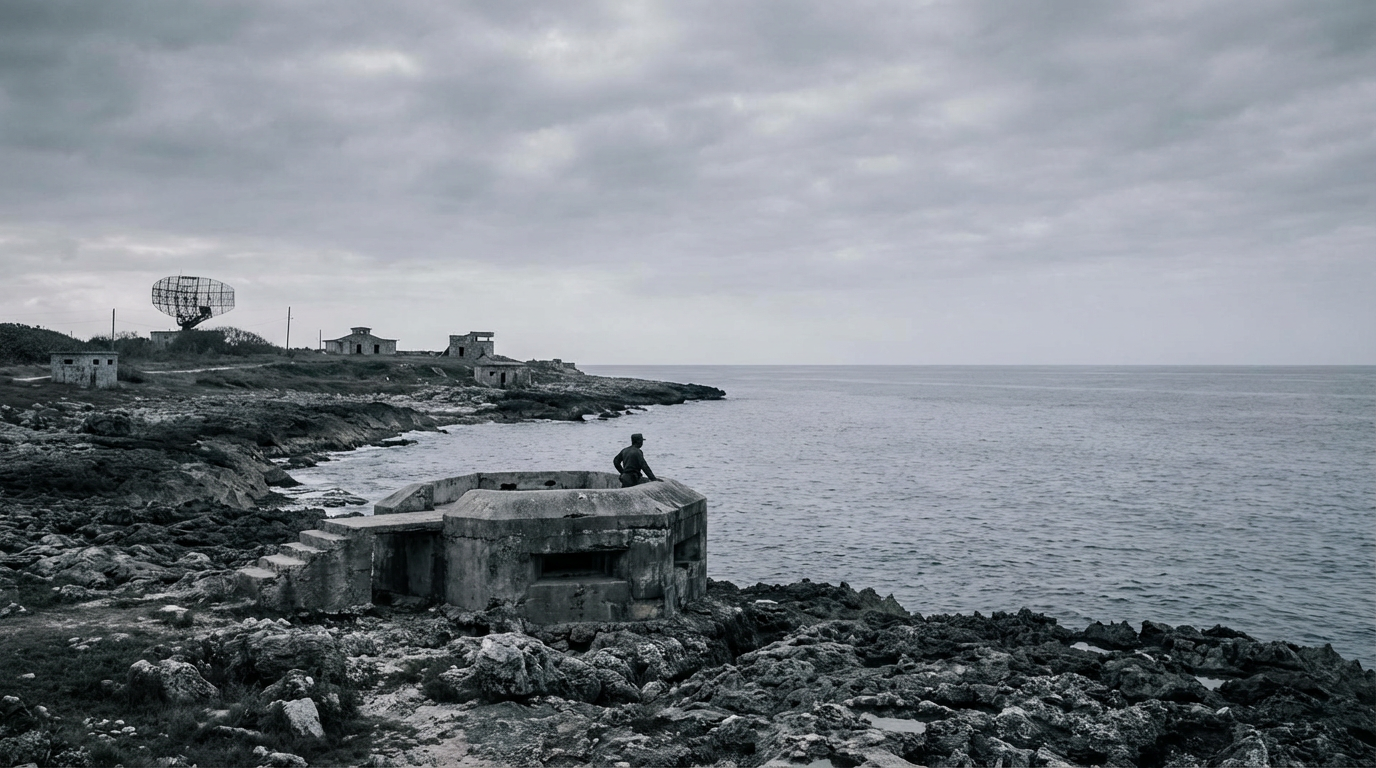
Havana — Cuban President Miguel Díaz-Canel said on Friday, April 12, 2026, that Cuba would defend itself against any potential invasion by the United States. He made the remarks in Havana, presenting the message as a statement of national readiness to resist outside military intervention.
The declaration came as tensions between the two countries were described as elevated. The backdrop cited alongside the Cuba-U.S. strain included the United States ending ceasefire talks with Iran and issuing a threat of a blockade of the Strait of Hormuz, developments that have been referenced in connection with the broader regional and international climate.
Díaz-Canel’s comments reiterated Cuba’s long-standing emphasis on sovereignty and self-defense in the face of what it describes as threats from Washington. Cuban officials have repeatedly framed the country’s security posture as defensive, arguing that historical experience and current pressure justify preparedness against external coercion.
In pointing to history, the Cuban government has cited past U.S. actions, including the Bay of Pigs invasion in 1961. It has also referenced ongoing economic sanctions as part of the wider context shaping bilateral relations and Cuba’s stated approach to national defense.
While the statement did not describe any specific military movement, it signaled a renewed public emphasis on deterrence and resilience. The remarks also fit a pattern in which Havana uses high-profile messaging to underline continuity in policy, particularly when it perceives the risk of escalation in diplomatic or security disputes.
What it means: The comments add to a charged political environment that can influence investor sentiment and risk assessments tied to geopolitics, even when immediate operational changes are not specified. With the Strait of Hormuz referenced in the broader tension narrative, the episode also intersects with global attention on strategic chokepoints and the political signals that can affect expectations around stability.
Uncertainty remains over how the rhetoric will translate into concrete steps, and whether it will prompt further official responses. The Cuban president’s statement nonetheless indicates that rhetorical exchanges could intensify in the coming months, keeping the Cuba-U.S. relationship in focus as both sides navigate a history marked by conflict and prolonged diplomatic strain.