

Costa proposes EU budget cuts and 3% digital turnover tax
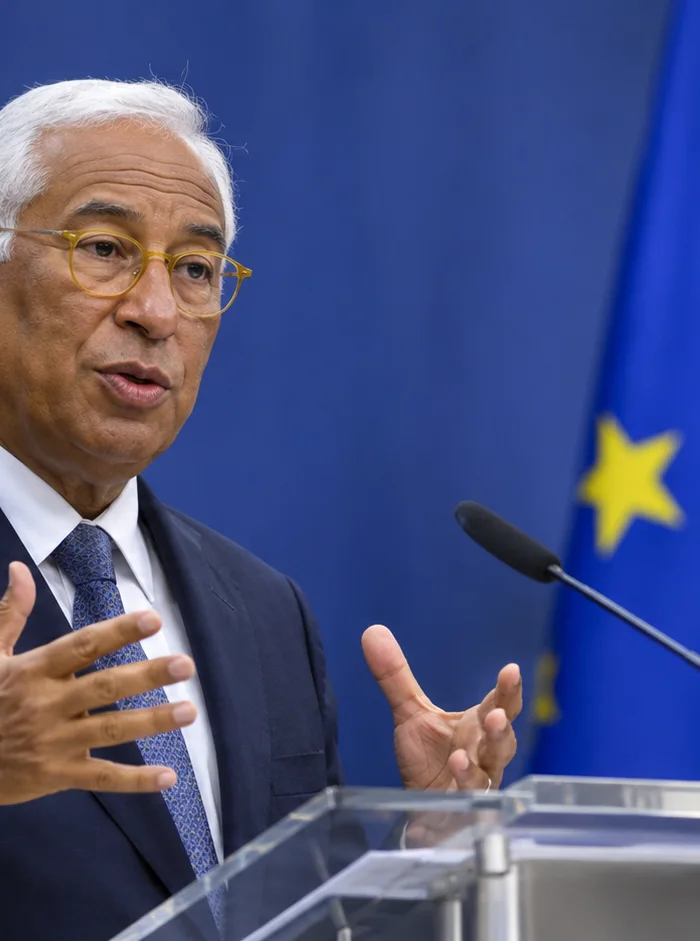
Antonio Costa proposed a 3% digital tax alongside EU budget cuts, setting up negotiations over spending and national contributions.
The European Council President's November 21 proposal would put spending for 2028–2034 at €1.582 trillion, €40 billion below the Irish presidency's October compromise. The proposed total is also €180.6 billion below the European Commission's initial plan, extending the reductions before leaders meet on November 26–27.
Industry funding faces deeper reductions
Costa's plan concentrates reductions on defense, external spending and the European Competitiveness Fund, which is intended to strengthen European industry against Chinese and US competitors. Agriculture and cohesion funding receive more protection relative to the October version, but that balance has not satisfied opponents.
France criticized the proposal for offering farmers insufficient protection. European Parliament chief budget negotiator Siegfried Muresan rejected the package, saying: "This proposal is unacceptable to Parliament and cannot form the basis for our consent."
The dispute concerns the resources available for policies ranging from farm support and research to student exchanges and assistance for Ukraine. Cohesion spending also supports efforts to narrow differences in living standards within the bloc, making the allocation of cuts consequential for both national governments and individual programs.
Digital levy revives an earlier proposal
Costa's tax initiative draws on a Commission proposal from 2018 that EU governments did not adopt. His version would apply a 3% levy to annual net turnover associated with digital advertising, intermediation services and data generated by users.
The proposed eligibility thresholds are €50 million in EU digital revenue and worldwide turnover exceeding €750 million. Large US technology businesses, including Google, Microsoft, Meta, Apple and Amazon, are among the companies potentially exposed; the proposal does not establish a company-by-company tax bill.
The initiative confronts opposition from President Trump, who has spoken against such taxation. Whether governments can agree on a levy affecting major US companies is therefore a separate obstacle from deciding how much the EU should spend.
The financing mechanism is central to the negotiations. Dedicated EU revenue, known as own resources, supplements national payments through sources including customs receipts, a share of value-added tax revenue and a levy tied to unrecycled plastic packaging.
If governments approve the digital levy, its proceeds could reduce the amount required from national treasuries for an agreed spending total. For eligible companies such as Google, the mechanism would instead add a tax obligation linked to covered revenue; across the digital sector, exposure would depend on which activities and businesses meet the final rules.
Debt repayment complicates December negotiations
Costa also proposed easing early principal repayments on pandemic-recovery borrowing, which the EU is expected to have accumulated to more than €600 billion by the end of 2026. The approach would leave more budget capacity for other purposes without abandoning the planned repayment period ending in 2058.
The spending framework and revenue arrangements require every member government's approval. Leaders are seeking a December agreement, although the budget need not be operational until 2028, with elections approaching in several member countries during 2027.
If a digital-tax agreement fails, negotiations would still need to reconcile national payments, spending reductions and debt-servicing choices. For European industry, the central question is how much competitiveness funding survives; internationally, it is whether the financing compromise creates another dispute over the treatment of US technology companies.
More stories
- Estonia to close 5 Russia road crossings for six months
- Mashatile seeks GBVF action after 1-in-3 violence finding
- Madrid teachers march for funding and oppose strike rules
- Milan tenants seek lease safeguards as housing costs rise
- Liberia seeks bigger US exports as AGOA runs to 2028
- SAF-RSF fighting worsens 10-year oil pollution crisis, groups say
- Randrianirina faces power-consolidation claims after 1 year
- Refinery attacks put Russia's diesel export plans in focus
Latest news
- Young adults overestimate life insurance costs by 10 times
- Greece targets 2.3% growth in 2027 budget
- US stocks face Goldman warning on further forced selling
- Al-Fatlawi recasts Iraq on screen with about $2.5m debut
- Bitcoin falls below $57,742 as investors seek other bets
- Vance declines to back Iran strikes as Trump defends war