COP31 Presidency Advocates Increased Climate Spending Over Defense
The COP31 presidency is advocating for a shift in national budgets from defense to climate, while signaling a potential softening on fossil fuel transition…
Lauren Collins ·
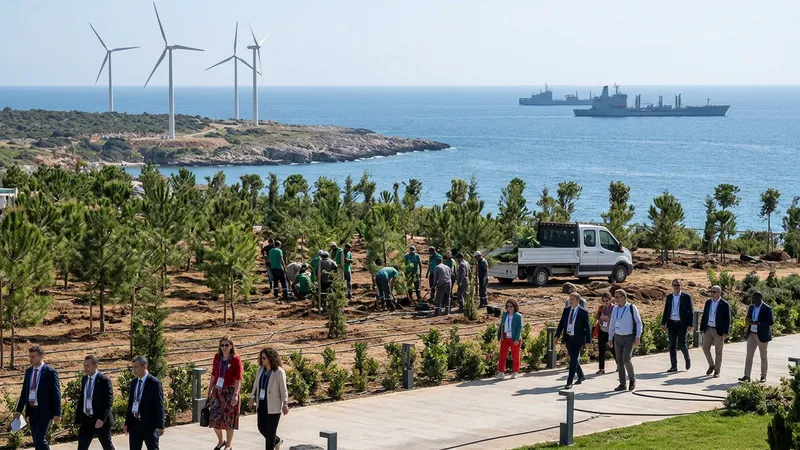
The president-designate for COP31 has formally proposed that wealthy nations prioritize expenditures on climate-related initiatives over defense spending. The proposal suggests that climate mitigation should surpass the 5% of GDP currently targeted by NATO members for defense, framing environmental stability as a primary national security imperative. Officials indicate that proactive climate investment offers a 10:1 cost-benefit ratio compared to the costs of post-disaster recovery.
Fossil Fuel Transition Signals
Despite these fiscal recommendations, the COP31 presidency has signaled a potential shift in policy regarding fossil fuel transitions. While previous agreements emphasized a formal move away from fossil fuels, current indications suggest a preference for indirect emissions management. This stance introduces uncertainty regarding the stringency of upcoming international climate commitments.
Disparate Climate Finance Flows
Macroeconomic risks remain elevated as current climate finance flows to small island developing states stand at approximately 0.2% of global totals. With global heating projections currently exceeding the 1.5C Paris Agreement threshold, the disparity between required adaptation funding and current capital allocation poses significant long-term sovereign risk for vulnerable economies. The upcoming summit in Antalya will serve as a critical test for reconciling these divergent fiscal priorities.