EU Divided on Israel Sanctions as Public Opinion Shifts
The European Union faces policy stagnation on Israel, with internal divisions blocking consensus despite growing public opposition and human rights concerns.
Lauren Collins ·
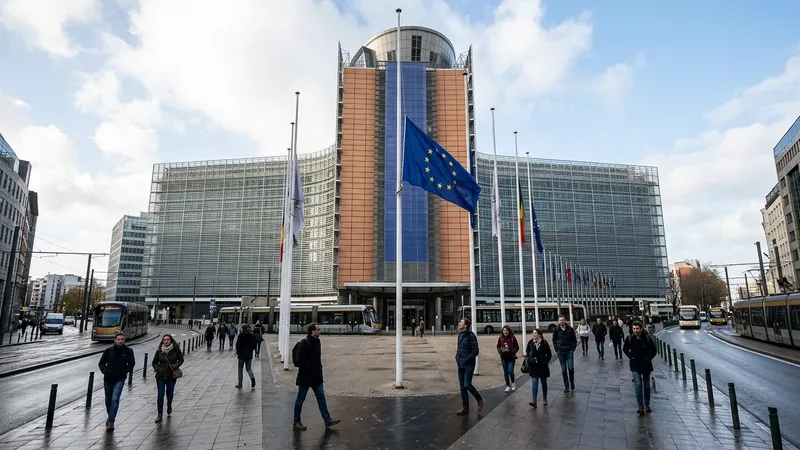
European Union member states remain divided on imposing sanctions against Israel, despite mounting public pressure across the bloc. Key internal disagreements, notably from Germany and Italy, have hindered collective action and reduced the EU's diplomatic influence on the ongoing conflict.
Public sentiment within the EU has shifted considerably, with polling data indicating an 8 to 9 percentage point increase in negative perceptions of Israel over the past year in major economies like Poland, Italy, and Germany. This growing disparity between public opinion and the EU's institutional policy poses a credibility challenge for the bloc, particularly as it balances human rights commitments with a substantial €68 billion trade relationship with Israel.
Diplomatic Criticism Mounts
The EU's inaction has drawn diplomatic criticism, with over 500 former senior officials issuing a formal statement condemning the bloc's inability to act decisively. This external pressure highlights growing concern over the EU's perceived paralysis.
European Union
Internal fault lines divide the 27-member bloc. Countries such as Spain and Ireland have advocated for reviewing Israel's conduct in the Gaza war against human rights requirements within its association agreement, which governs trade and cooperation.
In contrast, Germany, Austria, Czechia, and Italy align with Benjamin Netanyahu's administration, consistently opposing measures targeting Israel's government. A third group, including France and the Netherlands, has grown critical of the Netanyahu government's actions in Gaza.
Outlook Amid Regional Elections
Looking ahead, with upcoming elections scheduled in both Israel and Palestine, the EU is expected to remain largely inactive. This continued paralysis is anticipated to restrict its capacity to foster regional stability or effectively address humanitarian crises in Gaza and the West Bank.