

Common Medications Linked to Long-Term Alterations in Human Gut Microbiome
Common medications, including antidepressants and anxiety drugs, leave lasting microbial changes in the gut that persist for years after treatment ends.
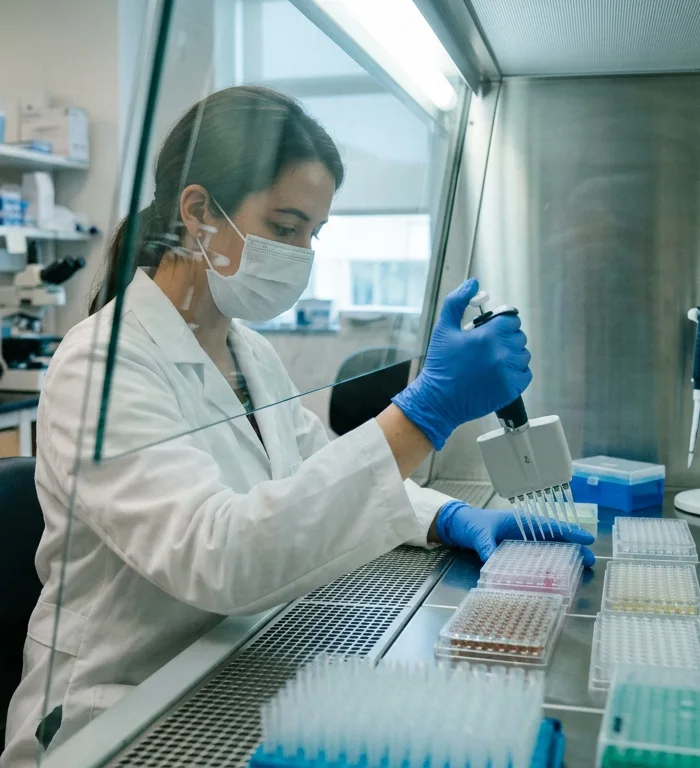
Research indicates that common pharmaceutical treatments, including antidepressants, blood pressure medications, and anxiety treatments, induce persistent changes in the human gut microbiome that endure long after cessation of use. A study of over 2,500 individuals identified microbial "fingerprints" associated with past drug exposure, suggesting that current clinical assessments of gut health may be incomplete if they exclude historical medication data.
Data reveals that specific classes of drugs, particularly benzodiazepines used for anxiety, exert an impact on microbial communities comparable to that of broad-spectrum antibiotics. The research further demonstrates that these effects are drug-specific rather than class-wide; for instance, different benzodiazepines produced varying degrees of microbial disruption. This indicates that clinical outcomes related to the microbiome are highly sensitive to the specific chemical composition of the prescribed treatment.
Longitudinal analysis confirmed that predictable shifts in gut bacteria occur upon the initiation or discontinuation of medications such as proton pump inhibitors and selective serotonin reuptake inhibitors (SSRIs). These findings suggest that historical drug exposure is a significant variable in explaining individual microbiome variance, potentially confounding research that attributes microbial composition solely to current disease states or health factors.
While the study establishes a clear link between past medication use and lasting microbial shifts, the long-term health implications of these changes remain under investigation. The findings necessitate a shift in how researchers and clinicians account for patient medical history, as previous treatments may fundamentally alter the biological baseline of the digestive tract for years. Future research is required to determine whether these persistent microbial signatures correlate with specific clinical pathologies or long-term health risks.
More stories
- Nigeria's family-planning budget falls 97%
- Peter Attia reviews cold therapy claims on longevity
- Dietitians advise small swaps for plant-based eating
- TikTok dementia videos mislead in 66.4% of sample, researchers say
- Aberdeen Royal Infirmary faces police inquiry call over 19 deaths
- Bariatric surgery group loses 28.2% after GLP-1 use
Latest news
- Duterte faces ICC trial over 85 alleged murders, 2 attempts
- Norse Atlantic suspends flights in urgent rescue funding bid
- Bardella denies antisemitism claims over teenage messages
- Retailers rethink Black Friday as discount fatigue grows
- Japan data centers face lawsuits over residential sites
- S&P puts Nvidia credit rating on watch over board concerns
- Musk pledges two SpaceX shares per child in new US giveaway
- Washington targets China in new tariff push on trade ties