

Extreme Weather Disrupts Operations at Cheltenham Racecourse
Extreme weather is causing disruptions and attrition at Cheltenham, highlighting urgent climate-related risks to outdoor sporting infrastructure.
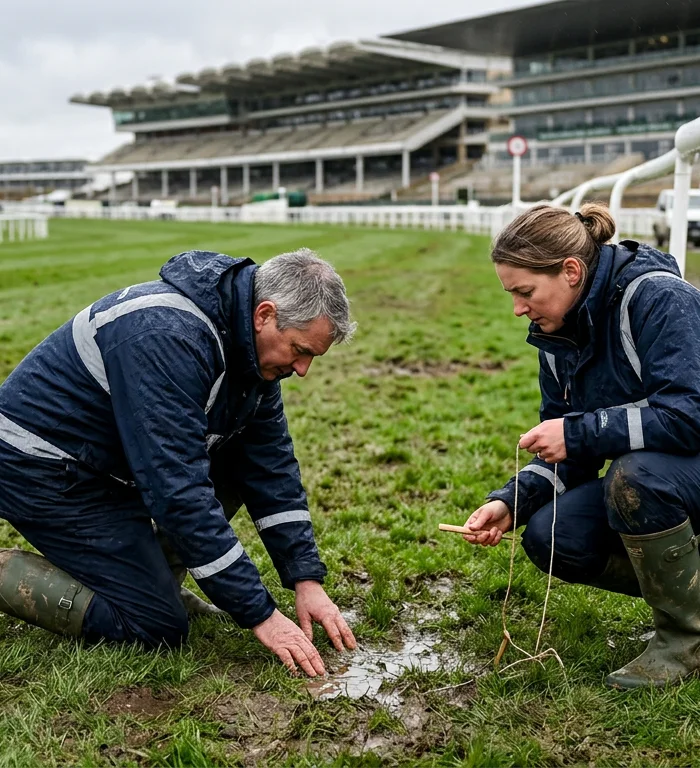
Cheltenham Racecourse experienced significant operational disruptions during its November meeting, characterized by extreme fluctuations in track conditions. The event saw 53 non-runners over three days, primarily attributed to ground conditions that shifted rapidly between firm and waterlogged. These inconsistencies necessitated late-stage course inspections and the omission of obstacles due to environmental factors, including low-lying sun and standing water.
These challenges follow a period of infrastructure investment, including recent drainage repairs necessitated by structural failures in the track surface. While attendance figures remained resilient, the inability to maintain consistent track conditions poses a long-term risk to the venue's reputation among owners and trainers. Industry stakeholders have expressed concern that persistent ground-related withdrawals may incentivize participants to redirect their resources toward alternative venues with more predictable surface management.
Management officials have identified these disruptions as symptomatic of broader climate instability, which is increasingly complicating the maintenance of specialized sporting surfaces. The unpredictability of extreme weather patterns, ranging from prolonged droughts to sudden, heavy rainfall, renders traditional watering and drainage strategies less effective. This volatility is not isolated to Cheltenham; multiple regional venues have already been forced to abandon entire meetings or seasons due to similar environmental pressures.
For institutional stakeholders, the situation highlights a growing governance challenge regarding the long-term viability of outdoor sporting infrastructure. As climate patterns become more erratic, the cost of maintaining operational continuity is expected to rise, potentially requiring further capital expenditure on advanced climate-resilient engineering. The inability to guarantee safe and consistent conditions represents a material risk to the commercial model of high-profile racing events.
More stories
- Hull City 2–0 Brighton: When Resilience Beat Reputation
- Aleksey Batrakov Attracts Barcelona Transfer Interest
- Manchester United weigh Osimhen move, transfer report says
- Ravens 20, Chargers 23: A season at the edge
- Billie Jean King ties 39 majors to equal-pay fight
- Cavaliers list Jarrett Allen questionable for Hornets game
- World Cup final sends Spain against Argentina in Jersey
- England vs Argentina: Who Reaches the Final?
Latest news
- CIA hack affects unclassified data; scope remains unclear
- Eisenkot secures first coalition deal but lacks majority
- Trump prepares tariffs on China and other major exporters
- New-car buyers pay record average $50,087 in October
- Banks face ECB reserve debate over liquidity and profits
- Investors see Anthropic debut gains fade below $83 a share
- Iraq orders federal control over Kurdish-area oilfields
- Germans oppose Ukraine aid as poll shows support slipping