

China Converts Vast Farmland Into Massive AI Data Center Hub
Ulanqab is shifting from an agricultural economy to a national AI hub, raising critical questions about water sustainability and resource management.
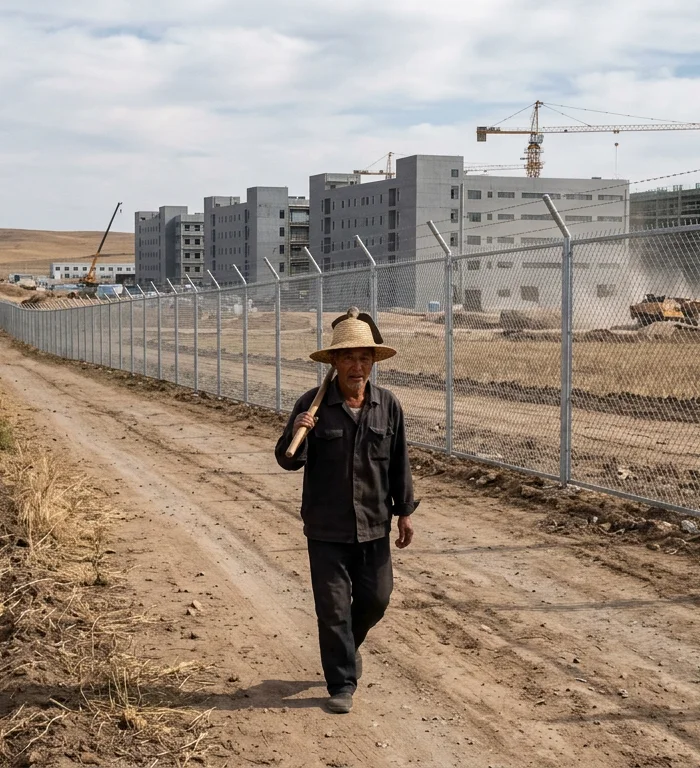
Ulanqab, historically a primary agricultural region in Inner Mongolia, is undergoing a structural economic shift as land is repurposed for large-scale artificial intelligence data centers. The city has become a focal point of "East Data, West Computing" strategy, which aims to distribute computing infrastructure across China to meet rising demand for processing power. As of August, AI-focused computing projects accounted for over 90% of the city’s total computing capacity, with 109 projects currently signed.
The transition is supported by central government directives, with leadership emphasizing the integration of computing infrastructure with regional electricity and water resources. The region’s climate and geographic positioning are key factors in its selection as a hub for major technology firms, including Huawei, Alibaba, and Apple. These facilities are concentrated in specialized zones, such as the Chahar High-Tech Development Zone, which has received direct oversight from national authorities.
This industrial pivot presents significant implications for local land use and resource management. While the conversion of farmland has provided immediate financial compensation to residents, the long-term economic impact remains tied to the lifecycle of these projects. Initial economic activity is driven by construction, which subsequently transitions to specialized technical maintenance once facilities become operational.
Sustainability concerns have emerged regarding the intensive water requirements of data centers in this drought-prone region. Policymakers are now tasked with balancing the expansion of high-tech infrastructure against the preservation of local agricultural output and the management of scarce natural resources. Future development will likely depend on the ability of these facilities to implement green computing standards and maintain efficient resource coordination as the sector matures.
More stories
- Macy’s parade faces balloon limits as storm winds approach
- East Coast Thanksgiving storm hinges on track and cold air
- Singapore charges 2 men over 19 deregistered vehicles
- Thomas Markle faces child abuse material charge in US case
- Bear visit links California library to Pooh milestone date
- Istanbul flooding prompts school closures and road bans
- Guinness names Jonathan tortoise Icon at age 194
- Mango Heir Arrested: Father's Death Under Scrutiny
Latest news
- Eisenkot secures first coalition deal but lacks majority
- Trump prepares tariffs on China and other major exporters
- New-car buyers pay record average $50,087 in October
- Banks face ECB reserve debate over liquidity and profits
- Investors see Anthropic debut gains fade below $83 a share
- Iraq orders federal control over Kurdish-area oilfields
- Germans oppose Ukraine aid as poll shows support slipping
- Kim Jong-un receives 10 envoys after constitutional shift