

Global Prevalence of Child Doping Linked to Systemic Exploitation and Health Risks
An estimated 10 million minors globally are using performance-enhancing drugs, a trend driven by systemic exploitation by coaches and support staff that…
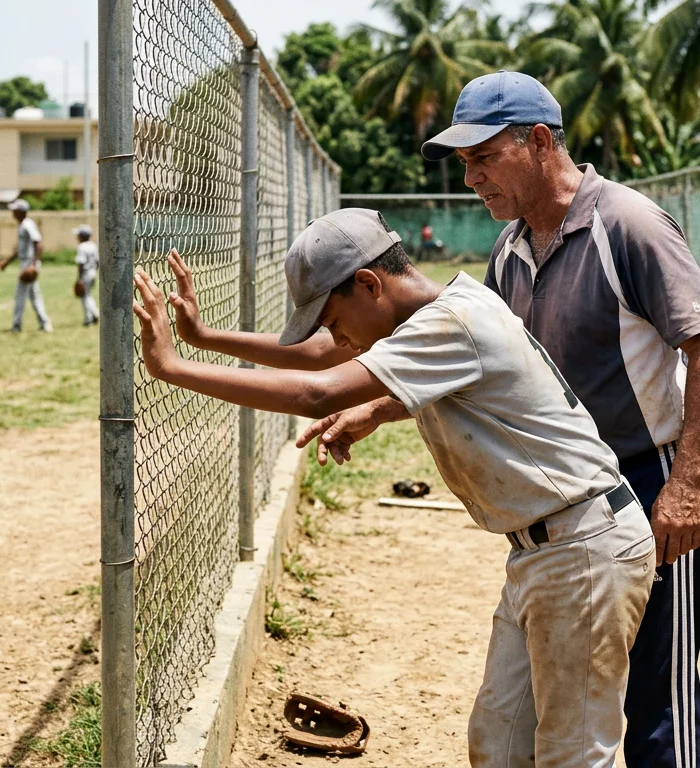
Recent investigative findings indicate that the use of performance-enhancing drugs among minors has reached an estimated 10 million individuals globally. This phenomenon extends beyond athletic cheating, functioning as a systemic form of child abuse and exploitation facilitated by coaches, medical personnel, and support staff. The practice is documented across 25 sports and 50 countries, with evidence suggesting that minors are frequently coerced or misled into using substances under the guise of nutritional supplements.
In regions such as the Dominican Republic, investigators identified a pattern where coaches provide anabolic steroids and human growth hormones to children as young as eight. This practice is often tied to financial incentives, where suppliers secure future earnings from professional contracts. Similar activities have been reported in India, the United States, and within elite European football academies, highlighting that the issue is not confined to developing nations or state-sponsored programs.
While the World Anti-Doping Agency recorded over 1
The health consequences for these minors are severe, including kidney failure, organ damage, and the necessity for surgical amputations. Despite these risks, the power imbalance between adult authority figures and child athletes remains a significant barrier to reporting and intervention. While the World Anti-Doping Agency recorded over 1,400 positive tests among minors between 2012 and 2023, experts suggest this figure represents only a fraction of actual usage due to the clandestine nature of the supply chains.
Institutional response remains limited, as anti-doping agencies prioritize elite-level competition over youth sports. Current oversight mechanisms struggle to address the role of the 'entourage'—the coaches and doctors who facilitate access to banned substances. Policymakers face increasing pressure to shift focus toward the criminal prosecution of these suppliers, rather than solely penalizing the minor athletes who are often victims of systemic coercion. Future regulatory efforts will likely need to address the intersection of sports governance and child protection laws to mitigate these risks.
More stories
- Aleksey Batrakov Attracts Barcelona Transfer Interest
- Manchester United weigh Osimhen move, transfer report says
- Ravens 20, Chargers 23: A season at the edge
- Billie Jean King ties 39 majors to equal-pay fight
- Cavaliers list Jarrett Allen questionable for Hornets game
- Liverpool face Arsenal with 3-point gap at stake
- Investors weigh Liverpool investment led by Amit Bhatia
- Arsenal transfer focus turns to Vinícius contract deadline
Latest news
- David Parr House to honor Victorian art-workman with blue plaque
- Iran's attacks hit 25 tankers near Strait of Hormuz
- FCC approves prison cellphone jamming despite 2.5-mile warning
- Russia strikes Ukraine as Odesa faces electricity strain
- Bahrain reports two injuries after Iranian aerial attacks
- Congress tests Black Democrats' growing policy influence
- Baltic responders fight Sparta II fire after drone strike
- Dietitians advise small swaps for plant-based eating