Investors weigh Liverpool investment led by Amit Bhatia
Liverpool investment talks have widened as Eduardo Saverin is approached for Amit Bhatia's proposed minority bid.
Liam Walsh ·
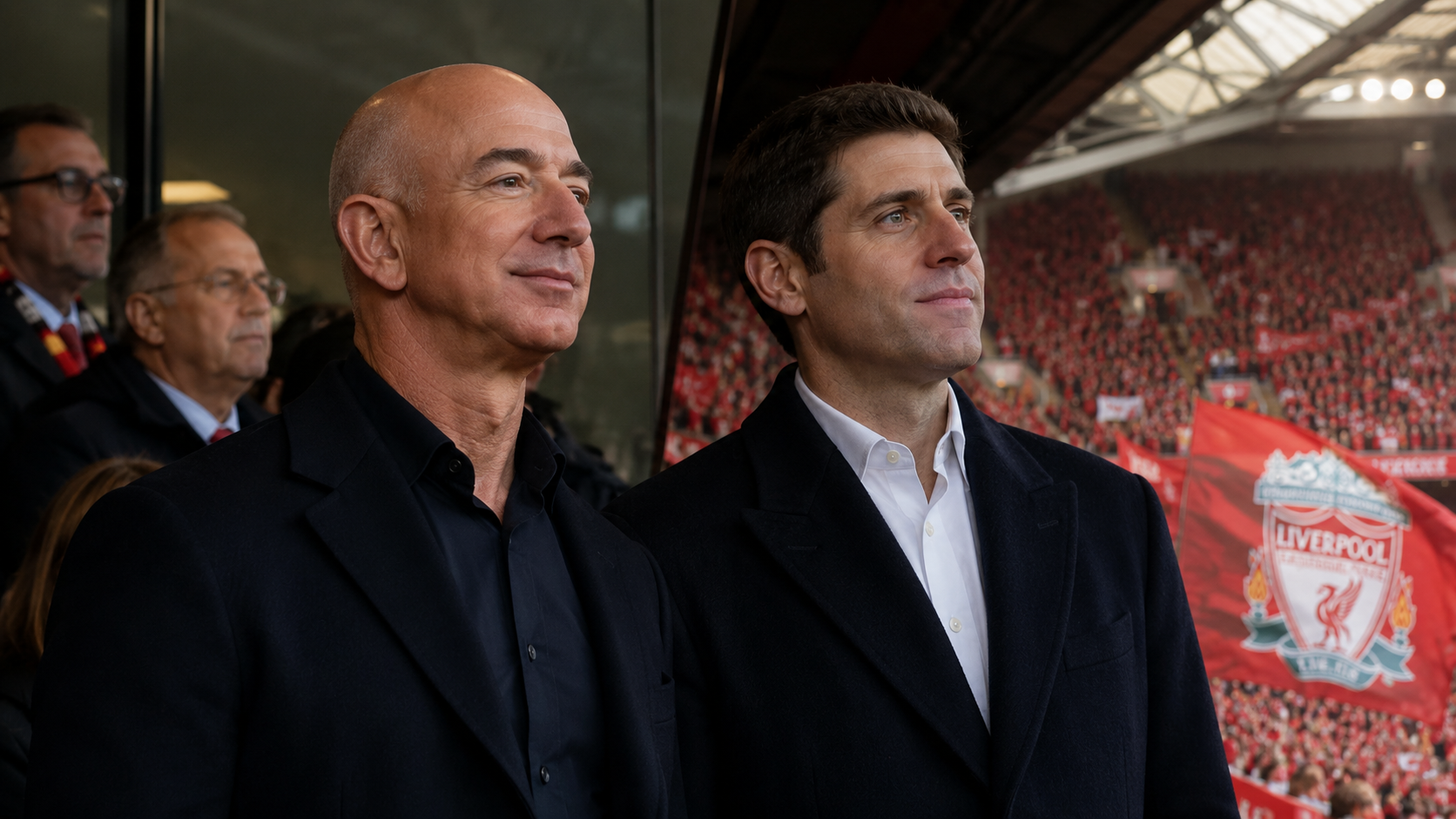
Liverpool investment talks have widened after Eduardo Saverin was approached to join Amit Bhatia's proposed minority bid. The discussions matter because Fenway Sports Group has signaled it is open to a partner while keeping control of the club.
The proposed transaction is being framed as a significant minority investment rather than a takeover. The report said the consortium could seek as much as 30% of Liverpool, a stake valued at about £1.35 billion if an agreement is reached.
Bhatia pursues 30% stake
Amit Bhatia is leading the approach after a long period in English football through Queens Park Rangers. The report said he was a director and co-owner of QPR for 18 years before transferring his ownership this month.
That background gives the proposed bid a football operator at the front rather than a purely financial sponsor. It also places the talks inside a market where elite clubs are scarce assets, especially those with global fan bases and regular access to major competitions.
FSG has already confirmed negotiations over a possible partnership. The key condition is control: the ownership group would retain a majority shareholding, meaning any new investor would likely gain exposure to Liverpool's value without taking command of daily strategy.
Saverin brings technology wealth
Saverin is best known as a Facebook co-founder alongside Mark Zuckerberg at Harvard in 2004. His Facebook stake was later diluted, and he is no longer involved in the company, but he later founded venture capital firm B Capital.
The report put Saverin's net worth at $33.1 billion, equivalent to £24.8 billion. It also cited a wealth ranking that placed him 65th among the world's richest people, giving the consortium access to a level of private capital rarely available to minority sports investments.
Jeff Bezos, the Amazon founder, has also been approached over the same Liverpool investment talks, according to the report. Neither Bezos nor Saverin has agreed to join the consortium, and the report said other unnamed parties are also involved in discussions.
Saverin has already shown interest in English football at the highest level. He was part of a consortium that failed to buy Chelsea in 2022, and the report described him as an admirer of the sport.
Valuation tests football capital
A 30% stake priced at £1.35 billion would imply an equity valuation of roughly £4.5 billion for Liverpool, based on the figures in the report. That would make the talks less about emergency funding and more about how FSG prices long-term global growth.
Liverpool's sporting position is part of the appeal. The club celebrated becoming English champions for the 20th time in May 2025, according to the source material, a status that strengthens the commercial case for investors seeking brand power and international reach.
For Liverpool, a minority partner could bring capital, technology networks and access to global investors while leaving FSG in charge. The risk is governance: investors paying a high price for a non-controlling stake may still seek influence over commercial strategy, stadium economics or future capital plans.
If Bhatia secures billionaire backing and FSG accepts the valuation, global private wealth would have another signal that top-tier football can still absorb large checks despite uncertain consumer and media markets. Liverpool would gain financial optionality without a sale, while rival clubs could face pressure to court similar minority capital.
If the talks fail, the macro message would be different: even trophy sports assets have price limits when control is unavailable. Liverpool would remain under its current ownership structure, and the wider football sector would have to test whether minority stakes can command takeover-style valuations without boardroom power.
The open questions are specific: who joins the consortium, whether the stake reaches 30%, what rights attach to the shares, and how FSG would use any proceeds. Until those points are settled, the talks show ambition rather than a completed shift in Liverpool's ownership map.