
Iran Leverage Rises After Two-Week Ceasefire Deal
Iran leverage rises after a Friday two-week ceasefire, with Strait of Hormuz reopening and disputed terms ahead of peace talks in Pakistan.
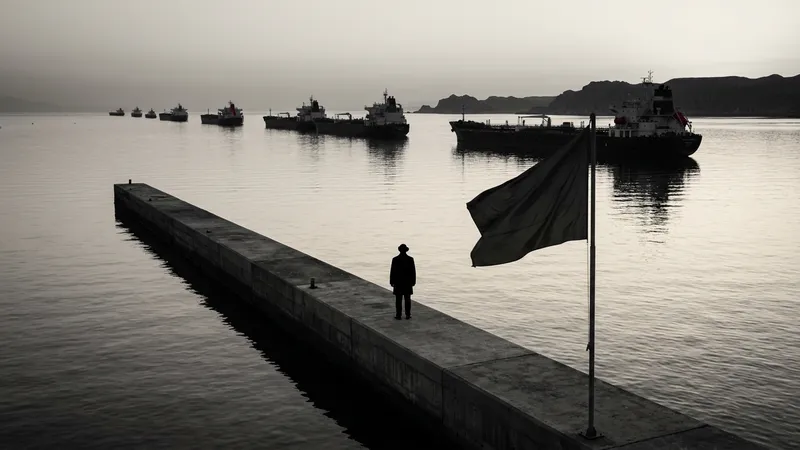
Iran emerged from a newly announced two-week ceasefire with a stronger hand heading into planned peace talks in Pakistan, according to the terms and interpretations described by officials and reports. The ceasefire was announced on Friday and prompted public celebrations in Tehran. A key element of the arrangement is the reopening of the Strait of Hormuz, a vital shipping corridor whose disruption can quickly ripple through global energy and freight markets.
The agreement follows a period of conflict that, according to the account provided, underscored Iran’s ability to interfere with international shipping and oil-market flows. That recent experience has reshaped the negotiating environment ahead of the Pakistan talks, with Tehran positioned to press for outcomes it says are embedded in the ceasefire understanding.
The same account notes that the practical meaning of the deal is not settled, with different parties reading the terms in different ways.
U.S. President Donald Trump described the ceasefire as a diplomatic achievement. However, the terms are portrayed as open to competing interpretations, particularly on two points: who effectively controls the Strait of Hormuz under the ceasefire framework, and how Israel’s military operations are treated within the arrangement. Those ambiguities are expected to be tested as negotiators move from a ceasefire announcement to detailed discussions.
Iran’s stated understanding of the ceasefire includes three major conditions: the lifting of all sanctions, the payment of war reparations, and formal recognition of Iran’s right to enrich uranium. The source material describes these demands as previously viewed as beyond Washington’s red lines, and it says they are likely to be central topics in the upcoming negotiations. The same account frames the ceasefire not as an endpoint but as a platform for bargaining over these issues.
Iran’s nuclear stockpile is also cited as a major factor shaping leverage. The source material states Iran holds 440 kg of highly enriched uranium, described as enough for approximately a dozen nuclear warheads. That figure is presented as strengthening Tehran’s position as talks approach, even as the broader terms of the ceasefire remain contested.
The conflict is described as changing the regional status quo by enabling Iran to claim a role as both co-custodian and beneficiary of the Strait of Hormuz. Reports cited in the source material say Tehran intends to pursue a plan to share control of the Strait with Oman and to charge tolls of $2 million per ship. S. sanctions.
More stories
- Burnham says Brexit vote faced Russian meddling in 2016
- Russian strikes hit Ukraine plants after Trump ceasefire statement
- Saudi flights divert after Dammam airport targeted
- US said to threaten Ukraine weapons, intelligence aid
- Riyadh airport hit again as Trump weighs US role
- Houthis hit Riyadh airport after 12 killed
- India Resumes Iranian Oil Imports
- North Korea Launches Missiles After Denouncing South's Overtures
- One Month After Targeted Strikes, Iranian Regime Shows Resilience Despite Loss of Leadership
- Over 3,300 No Kings Rallies Sweep All 50 States Against Trump Administration Policies