

Research Identifies Sialylation as a Potential Target for Oncology Therapeutics
Researchers have identified abnormal sugar molecule processes on cancer cells as a key factor in immune evasion and drug resistance, opening new avenues for…
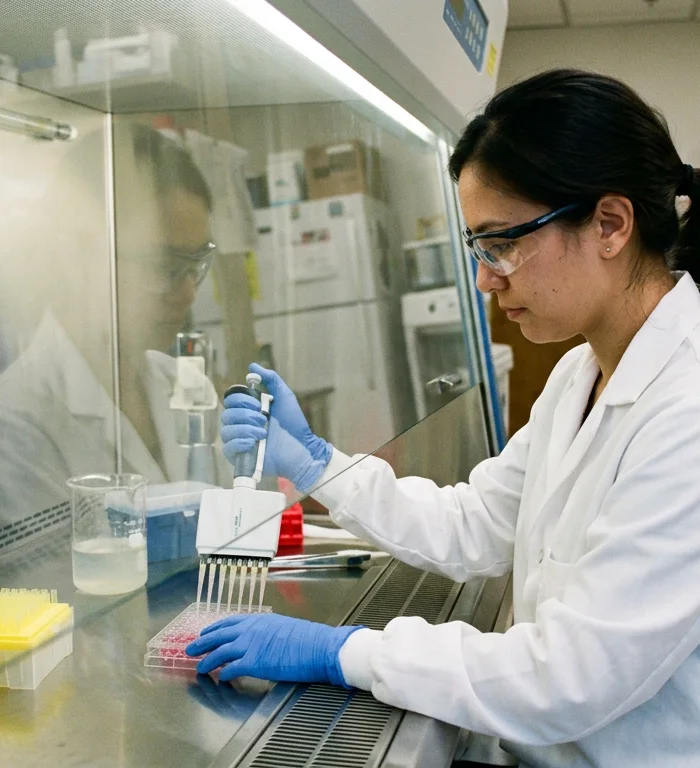
Recent research indicates that the process of sialylation—the addition of sugar molecules to cell surfaces—plays a critical role in tumor progression, immune evasion, and drug resistance. By altering the interaction between cancer cells and the surrounding microenvironment, abnormal sialylation patterns facilitate metastasis and suppress anti-cancer immune responses. This mechanism has been observed across various malignancies, including gastric, colorectal, breast, lung, and pancreatic cancers, as well as leukemia and multiple myeloma.
The biological process is governed by two enzyme groups: sialyltransferases, which add sialic acids, and neuraminidases, which remove them. In cancerous states, an imbalance in these enzymes allows tumors to interact with Siglec receptors on immune cells, effectively triggering signals that inhibit immune-mediated destruction. Furthermore, specific enzymes such as ST6Gal1 have been linked to reduced efficacy of existing pharmaceutical interventions, suggesting that sialylation patterns may serve as a biomarker for predicting treatment resistance.
Experimental therapeutic strategies currently under investigation focus on Experimental therapeutic strategies currently under investigation focus on modulating these sugar structures to restore immune function and improve drug sensitivity. Proposed interventions include the use of sialyltransferase inhibitors, Siglec-targeting antibodies, and antibody-sialidase conjugates designed to strip protective sugar layers from tumor cells. Additionally, researchers are exploring metabolic strategies to prevent the over-sialylation of cells, which may offer a lower-toxicity profile compared to traditional systemic therapies.
While these findings provide a framework for potential diagnostic and therapeutic advancements, the transition from laboratory research to clinical application remains in the early stages. The primary challenge for future development lies in achieving high specificity to avoid off-target effects on healthy cells. Rigorous validation through clinical trials will be required to determine the safety and efficacy of these approaches before they can be integrated into standard oncology protocols. Stakeholders should monitor ongoing research into these molecular mechanisms as they represent a potential shift in addressing metastatic behavior and treatment-refractory cancers.
More stories
- Nigeria's family-planning budget falls 97%
- Peter Attia reviews cold therapy claims on longevity
- Dietitians advise small swaps for plant-based eating
- TikTok dementia videos mislead in 66.4% of sample, researchers say
- Aberdeen Royal Infirmary faces police inquiry call over 19 deaths
- Bariatric surgery group loses 28.2% after GLP-1 use
- CXCR3 blockade preserves 40% more memory tissue in Alzheimer’s mice
- UK inquiry faults government after 43,000 care-home Covid deaths
Latest news
- Morocco targets 2030 World Cup final with new stadium bid
- Barclays puts AI bust risk at center of US growth debate
- US inflation reaches 3.8% before December Fed rate meeting
- Türkiye Desk: GTA 6 drains UK mobile spend as Turkish studios feel pressure
- Global stocks fall 0.4% as tariffs and US inflation loom
- CIA hack affects unclassified data; scope remains unclear
- Eisenkot secures first coalition deal but lacks majority
- Trump prepares tariffs on China and other major exporters