Israel Prepares Ground Offensive for Lebanon Security Zone
Israel plans a ground push into southern Lebanon up to 30 km, drawing Canada and France’s condemnation as casualties rise this month.
Lauren Collins ·
Israel is preparing for a large-scale ground operation in southern Lebanon that Israeli officials say would establish a controlled buffer area extending as far as the Litani River. The planning, described as current as of March 25, 2026, has triggered diplomatic pushback from Canada and France and renewed warnings about civilian harm.
Israeli Defense Minister Israel Katz said the military would hold a “security zone” up to the Litani, and that displaced Lebanese residents would not be allowed to return until Israel determines conditions are safe for communities in northern Israel. Separately, Finance Minister Bezalel Smotrich publicly supported annexing southern Lebanon and described the Litani River as a proposed new border.
What is being planned
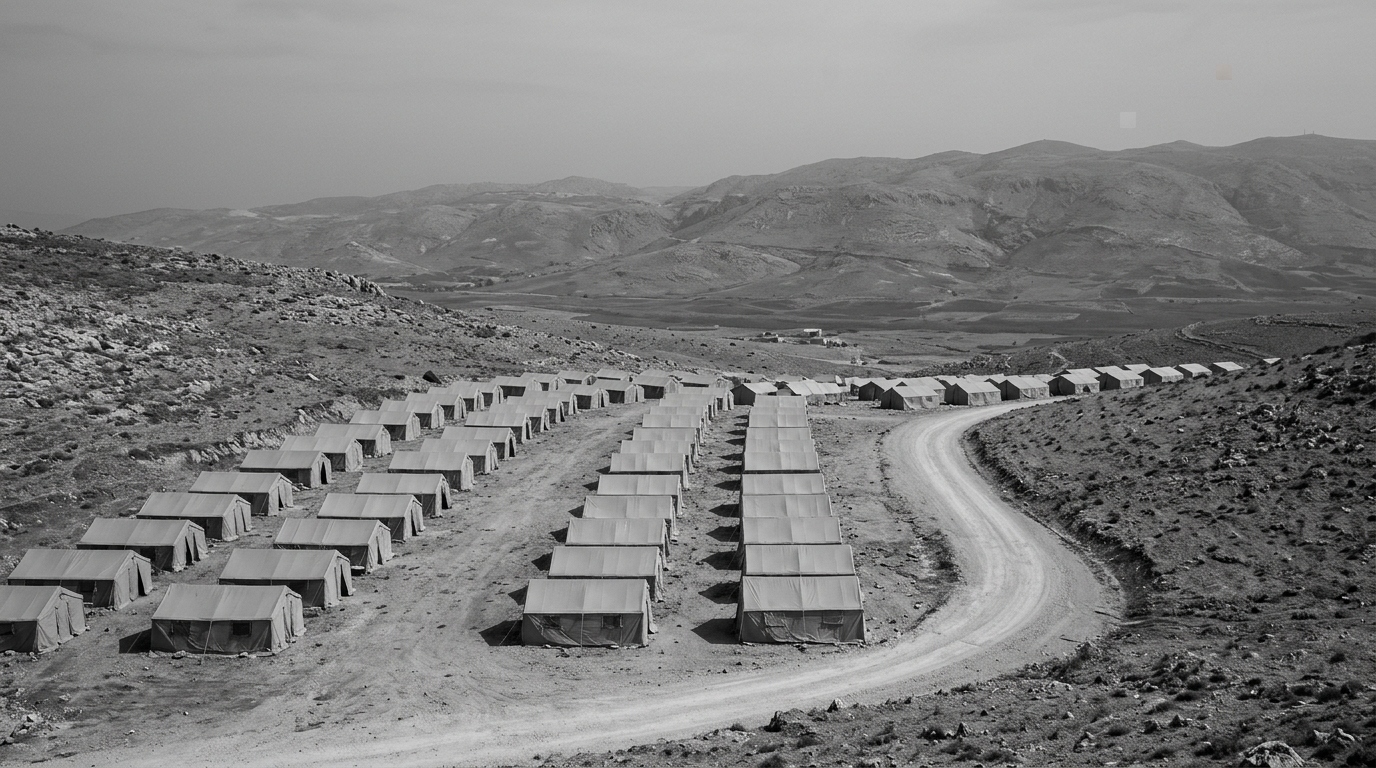
The stated objective is to occupy territory up to 30 kilometers (18.6 miles) north of the Israel-Lebanon boundary. The source material indicates the move could force more than one million people from their homes, raising the prospect of a major displacement event in Lebanon.
Details such as the timing of any ground entry, the size of forces involved, and the duration of any occupation were not provided in the source material. It is also unclear what specific conditions Israel would use to judge when “security is guaranteed” for northern Israel and when returns would be permitted.
International reactions and legal framing
Canada and France issued strong criticism of the reported plans. Canada’s Ministry of Global Affairs said Lebanon’s sovereignty and territorial integrity should not be breached and urged compliance with international law and civilian protection.
France’s foreign minister, Jean-Noel Barrot, warned that a ground campaign could produce severe humanitarian consequences. The source material describes broader international condemnation and cautions about a potential humanitarian crisis, though it does not list additional governments or institutions.
Escalation on the ground
The source material reports that Israeli attacks in Lebanon this month have killed at least 1,072 people and wounded nearly 3,000. It also cites recent strikes that killed nine people in Adloun, the Mieh Mieh refugee camp, and Habboush.
On the Israeli side, rocket fire from Lebanon is reported to have killed one person in northern Israel. The source does not specify which group launched the rockets or provide additional casualty figures in Israel.
Why markets and politics are focused on this now
A potential cross-border ground operation and a declared intent to hold territory would raise immediate questions for regional stability, humanitarian logistics, and diplomatic relations between Israel and key Western partners. For investors and policymakers, the combination of rising casualties, displacement risk, and explicit annexation advocacy introduces uncertainty that can affect regional risk pricing and government decision-making.
What changes the near-term outlook is the shift from air and strike activity toward preparations for a sustained ground presence, alongside public statements about a long-term “security zone” and, separately, annexation. The source material does not confirm that an invasion has begun, only that preparations and political advocacy are underway.