Iran women’s football team feted in Tehran after asylum battle at Asian Cup
Iran's women's football team returned to Tehran after some players sought asylum in Australia, sparking conflicting narratives and official welcomes.
Lauren Collins ·
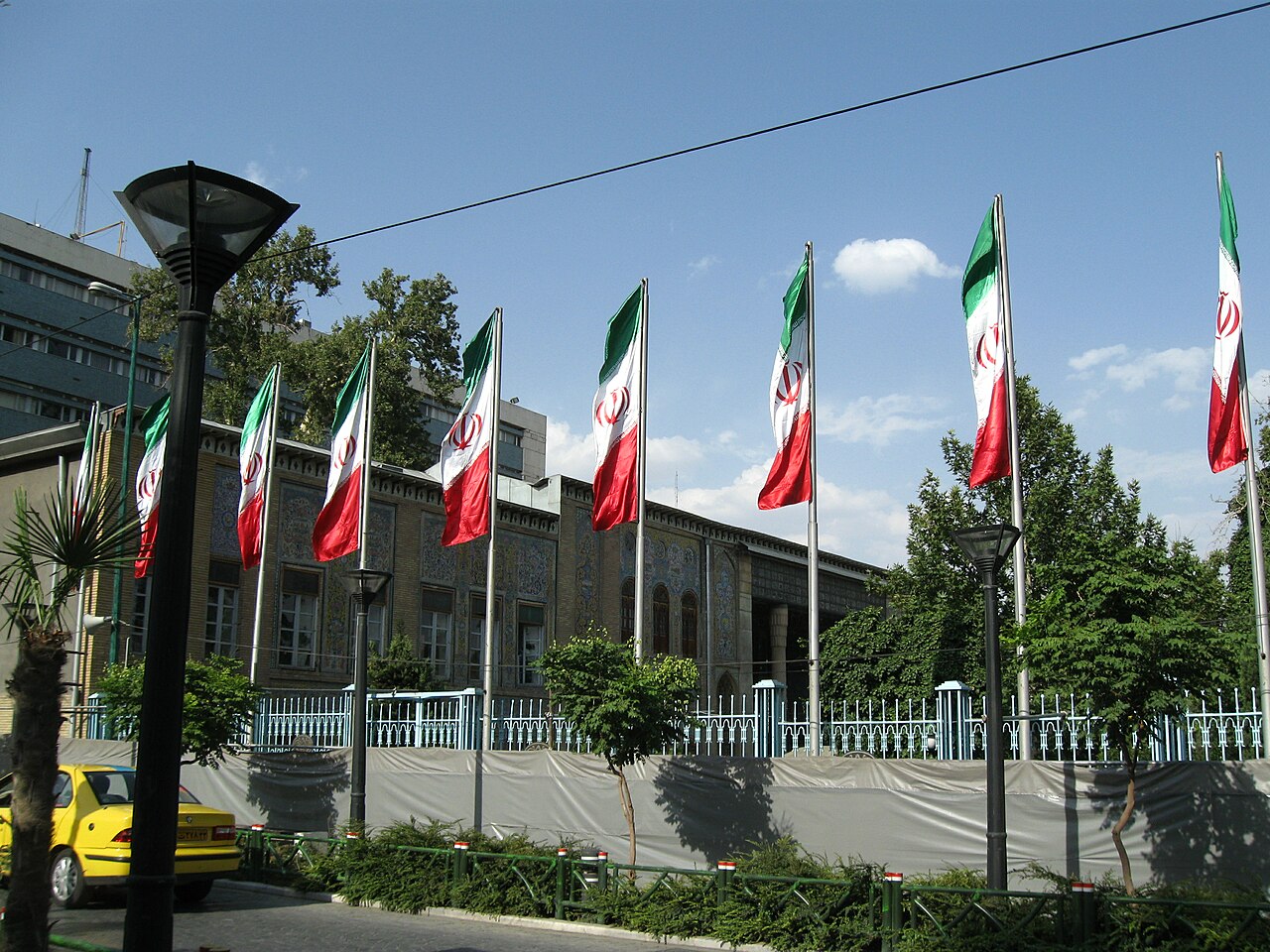
Iran's national women's football team received a public welcome in Tehran on Thursday, March 20, 2026, following their return from Australia. This reception occurred after several team members had initially sought asylum during their participation in the Asian Cup, sparking international attention.
The team's return journey involved transit through Malaysia, Oman, and Turkey before arriving in Iran. Notably, five players who had previously filed asylum claims in Australia were among those who returned to the country.
Asylum Claims and Repatriation
Six players and one staff member from the Iranian squad had sought asylum earlier in March while in Australia. This action followed domestic criticism in Iran regarding their refusal to sing the national anthem before a match, an act that can carry significant social and political implications within the country.
Of those who sought asylum, five players ultimately withdrew their applications and returned to Iran. Two squad members, however, reportedly remain in Australia, having not rejoined the team's return to Tehran.
Conflicting Narratives and Allegations
The circumstances surrounding the players' asylum claims and subsequent return have been subject to conflicting reports. Activist groups have alleged that Iranian authorities exerted pressure on the families of the players who sought asylum, including summoning parents for questioning.
Conversely, Iranian officials have presented a different account. An Iranian football federation representative stated that the players rejected offers of financial incentives, housing, vehicles, and visas from Australian entities, asserting their commitment to their national identity. Tehran has also accused Australia of attempting to encourage defections from the team.
Official Welcome and National Identity
Upon their arrival, the team was greeted by several thousand people at Valiasr Square in central Tehran. State television broadcasts depicted attendees holding Iranian flags, and a prominent billboard displayed the slogan, “My Choice. My Homeland.”
Mehdi Taj, the President of the Iranian Football Federation, publicly affirmed the athletes' loyalty. He emphasized their dedication to their homeland, the national flag, the country's leadership, and the principles of the Islamic Revolution. This official narrative underscores the government's efforts to frame the players' return as a demonstration of national unity and patriotism.
Broader Context of Iranian Sports and Politics
This incident highlights the complex interplay between sports, politics, and individual freedoms in Iran. Athletes, particularly those representing the nation on an international stage, often face intense scrutiny and pressure to conform to state ideologies. Past instances have seen Iranian athletes facing repercussions for actions perceived as disloyal or for competing against Israeli opponents.
The government's swift and public welcome for the returning players, coupled with the official statements, suggests an attempt to control the narrative surrounding the asylum attempts. This event also draws attention to the ongoing challenges faced by Iranian women in sports, who operate under strict social and religious guidelines while also being expected to represent the nation's image abroad.
Implications
Country Impact: The incident underscores the ongoing tension between individual freedoms and state control in Iran, particularly concerning public figures. It may lead to increased scrutiny of athletes traveling internationally and potentially stricter regulations on their conduct abroad.
Industry Impact: For international sports organizations, this event highlights the complexities of hosting teams from nations with restrictive political environments. It could prompt discussions on athlete welfare, asylum protocols, and the potential for political interference in sports.
Market Impact: While not directly impacting financial markets, the incident could subtly influence international perceptions of Iran, potentially affecting foreign investment sentiment or diplomatic relations, particularly with countries like Australia, if allegations of interference persist.