Trio charged over alleged plot to smuggle Nvidia chips from US to China
US DOJ charged three individuals, including a US citizen, for allegedly conspiring to illegally export Nvidia AI chips to China.
Lauren Collins ·
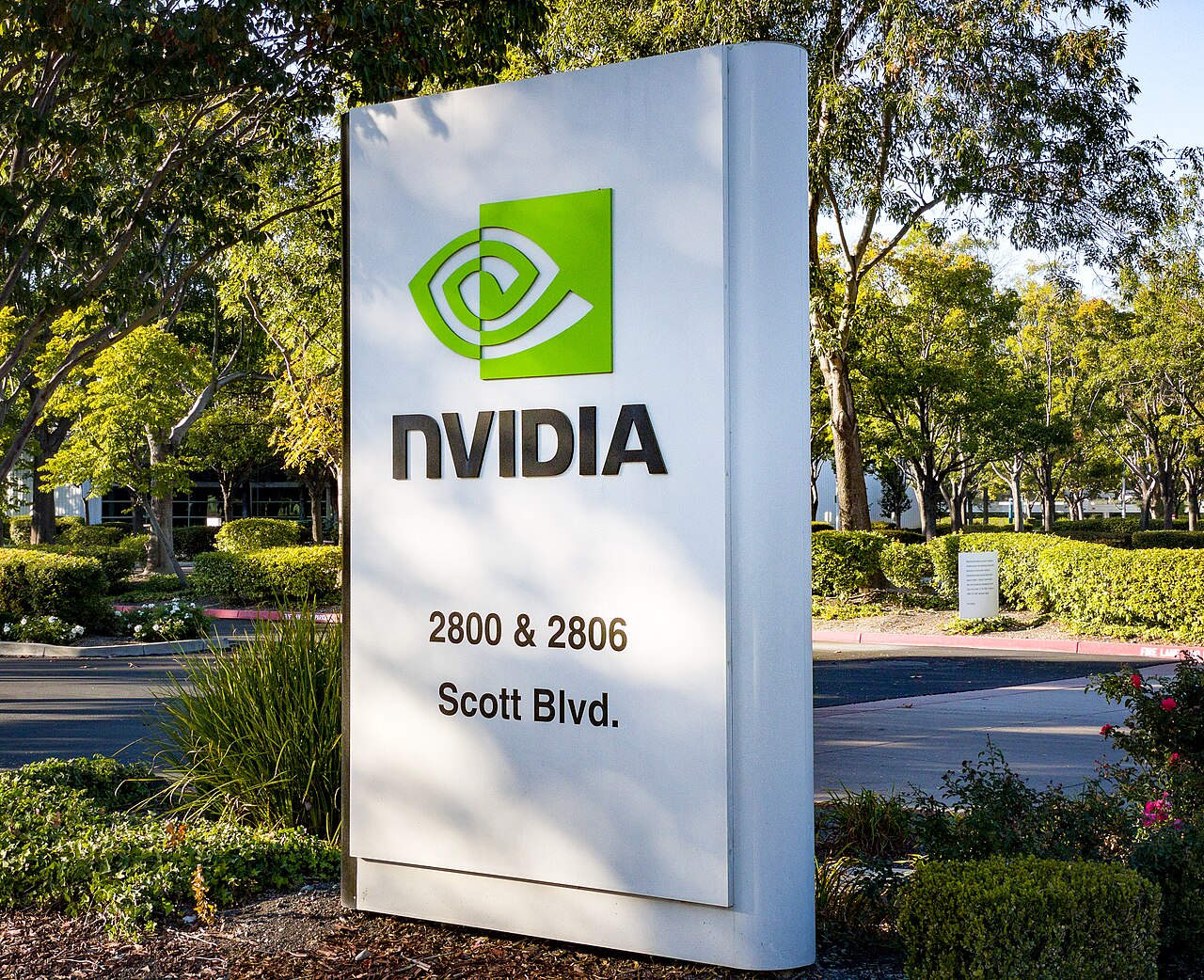
The U.S. Department of Justice (DOJ) has filed charges against three individuals for allegedly orchestrating a scheme to illegally export advanced artificial intelligence (AI) chips, including those produced by Nvidia, from the United States to China. The indictment, announced on Thursday, details accusations of document falsification and the use of deceptive practices to bypass stringent U.S. export regulations.
Taiwanese nationals Ting-Wei "Willy" Sun and Ruei-Tsang "Steven" Chang, alongside U.S. citizen Yih-Shyan "Wally" Liaw, are central to the allegations. The charges stem from their purported involvement in diverting high-tech servers containing controlled U.S. AI technology to China without the necessary export licenses.
Alleged Export Control Violations
The alleged operation involved a Southeast Asia-based entity, identified as "Company-1," which reportedly procured servers, some equipped with Nvidia chips, from a U.S. manufacturer. The accused individuals and Company-1 are alleged to have then created fraudulent documentation, falsely identifying Company-1 as the ultimate recipient of the technology.
Following this, the servers were purportedly repackaged and subsequently shipped to China. The DOJ's investigation suggests that thousands of replica servers were utilized to pass audits, while the actual controlled technology was rerouted to its intended destination in China.
Scope of the Alleged Scheme
According to the Department of Justice, Company-1 acquired approximately $2.5 billion worth of equipment, which included substantial quantities of servers containing U.S. artificial intelligence technology. This equipment was then allegedly transferred to China.
Neither the defendants nor the U.S. manufacturer involved in the transactions possessed the requisite licenses for exporting these American-made servers to China, a critical violation of U.S. export control laws designed to prevent sensitive technology from reaching unauthorized destinations.
Corporate Response and Broader Context
Liaw and Chang were reportedly affiliated with Super Micro Computer, a California-based firm. Super Micro Computer has confirmed its cooperation with the ongoing investigation and has placed both individuals on leave. The company has also terminated its association with Sun, who was a contractor.
S. government's intensified efforts to enforce export controls on advanced technology, particularly AI chips, amid escalating geopolitical tensions and concerns over national security. S. has progressively tightened restrictions on the sale of high-performance semiconductors and related equipment to China, aiming to curb Beijing's technological advancements in areas deemed critical for military and strategic competition.
Such enforcement actions are a direct consequence of these broader policy objectives.
Implications
Country Impact: The charges highlight the U.S. government's commitment to enforcing export controls against China, potentially leading to further restrictions on technology transfers. This could strain U.S.-China relations and prompt China to accelerate its domestic AI chip development.
Industry Impact: The technology sector, particularly AI chip manufacturers and server providers, faces increased scrutiny regarding compliance with export regulations. Companies may need to enhance their due diligence processes for international shipments and end-user verification.
Market Impact: This development could introduce uncertainty for companies operating in the U.S.-China technology supply chain, potentially impacting stock valuations of firms involved in AI hardware. It also signals continued government intervention in critical technology markets.