Why Pakistani farmers are suing two German companies for deadly 2022 floods
Pakistani farmers are suing German firms RWE and Heidelberg Materials in a Heidelberg court over their alleged role in 2022 floods.
Lauren Collins ·
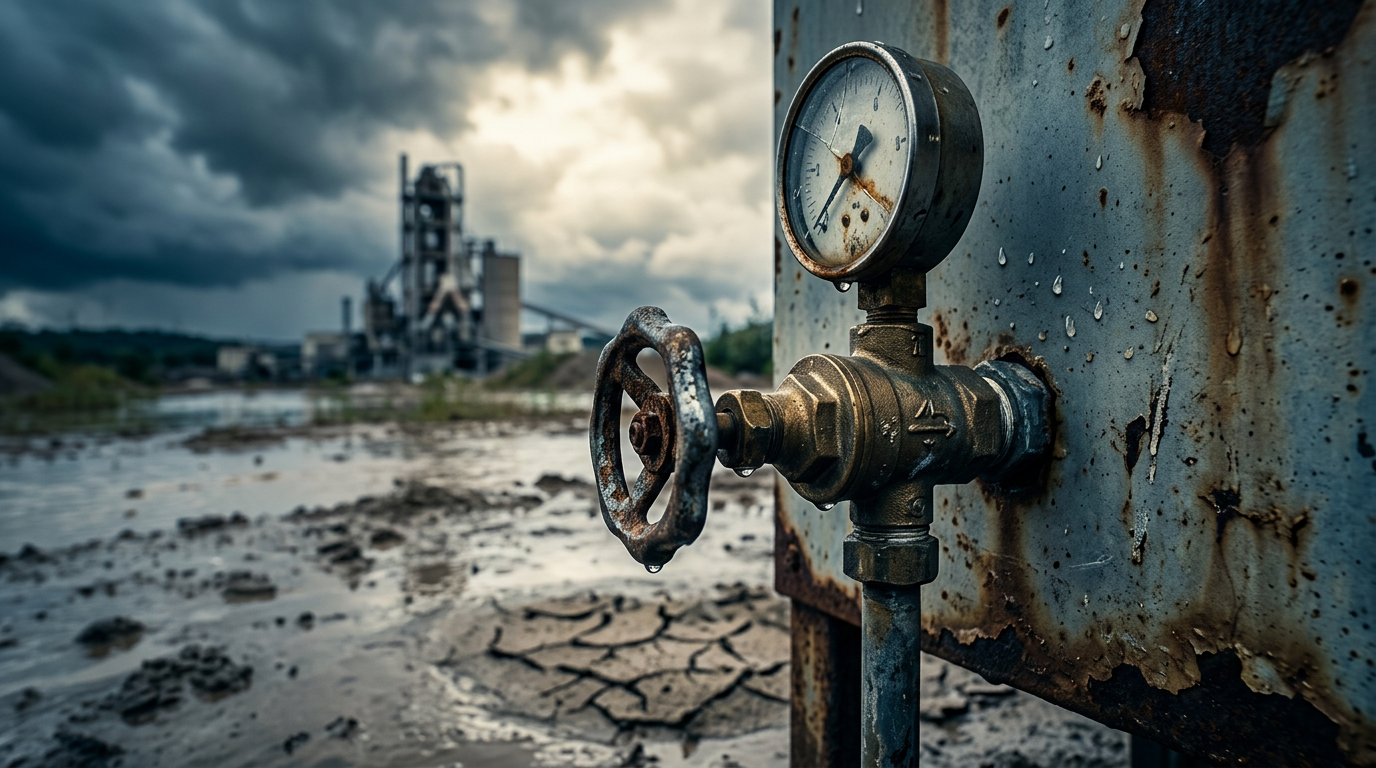
Thirty-nine farmers from Pakistan's Sindh province have initiated legal proceedings in a German court against two major industrial entities, RWE and Heidelberg Materials. Filed in December, the lawsuit contends that the companies' greenhouse gas emissions significantly contributed to the devastating 2022 floods in Pakistan.
These floods resulted in an estimated $40 billion in damages and displaced approximately 30 million individuals. The legal action, brought before a Heidelberg court, seeks to establish corporate accountability for climate-related destruction.
The European Centre for Constitutional and Human Rights (ECCHR) is representing the Pakistani plaintiffs. Their argument centers on the global impact of emissions, asserting that even without direct operations in Pakistan, these companies bear responsibility for climate harm.
Corporate Emissions and Global Impact
RWE, a prominent European electricity producer, and Heidelberg Materials, a global manufacturer of building materials, are identified among 178 industrial producers by the Carbon Majors database. This group is collectively attributed with generating 70 percent of worldwide carbon emissions.
The lawsuit draws a connection to a previous legal challenge from 2015, where a Peruvian farmer sued RWE over climate damages. While that specific case was ultimately dismissed, a German court ruling at the time indicated that companies could, in principle, be held liable for specific climate-related harms.
Legal Precedents and Climate Litigation
This ongoing litigation underscores a growing international trend of transnational climate lawsuits. These legal efforts aim to define and enforce accountability for the consequences of climate change, particularly against large industrial emitters.
The 2022 floods in Pakistan were an extreme weather event, exacerbated by climate change, that caused widespread destruction across the country. The legal challenge by Pakistani farmers represents a significant development in the global discourse on climate justice and corporate responsibility.
Implications for Global Industry
The outcome of this case could set a precedent for future climate litigation, potentially influencing how industrial companies assess and manage their environmental impact and legal liabilities. It highlights the increasing pressure on corporations to address their contributions to climate change, even in regions where they do not directly operate.
Such lawsuits could lead to increased scrutiny of corporate environmental policies and potentially drive greater investment in decarbonization efforts across various industries. The legal framework for attributing specific climate damages to individual corporate emitters remains a complex and evolving area of international law.
Implications
Country Impact: Pakistan could see a precedent set for seeking reparations for climate-induced damages, potentially influencing future international aid and climate finance discussions. The outcome may also empower other climate-vulnerable nations to pursue similar legal avenues.
Industry Impact: The energy and building materials sectors, particularly large emitters, face increased legal and reputational risks. This case could compel companies to accelerate decarbonization efforts and re-evaluate their global environmental liabilities, potentially impacting investment decisions and operational strategies.
Market Impact: Financial markets may begin to price in greater climate litigation risk for companies with significant greenhouse gas emissions. This could affect stock valuations, insurance premiums, and access to capital for industries deemed high-polluting, driving a shift towards more sustainable investments.