‘The saddest day for Muslim worshippers in Jerusalem’: al-Aqsa mosque closed at Eid
Al-Aqsa Mosque closure for Eid al-Fitr by Israeli forces, citing security, draws international condemnation and raises regional tensions.
Lauren Collins ·
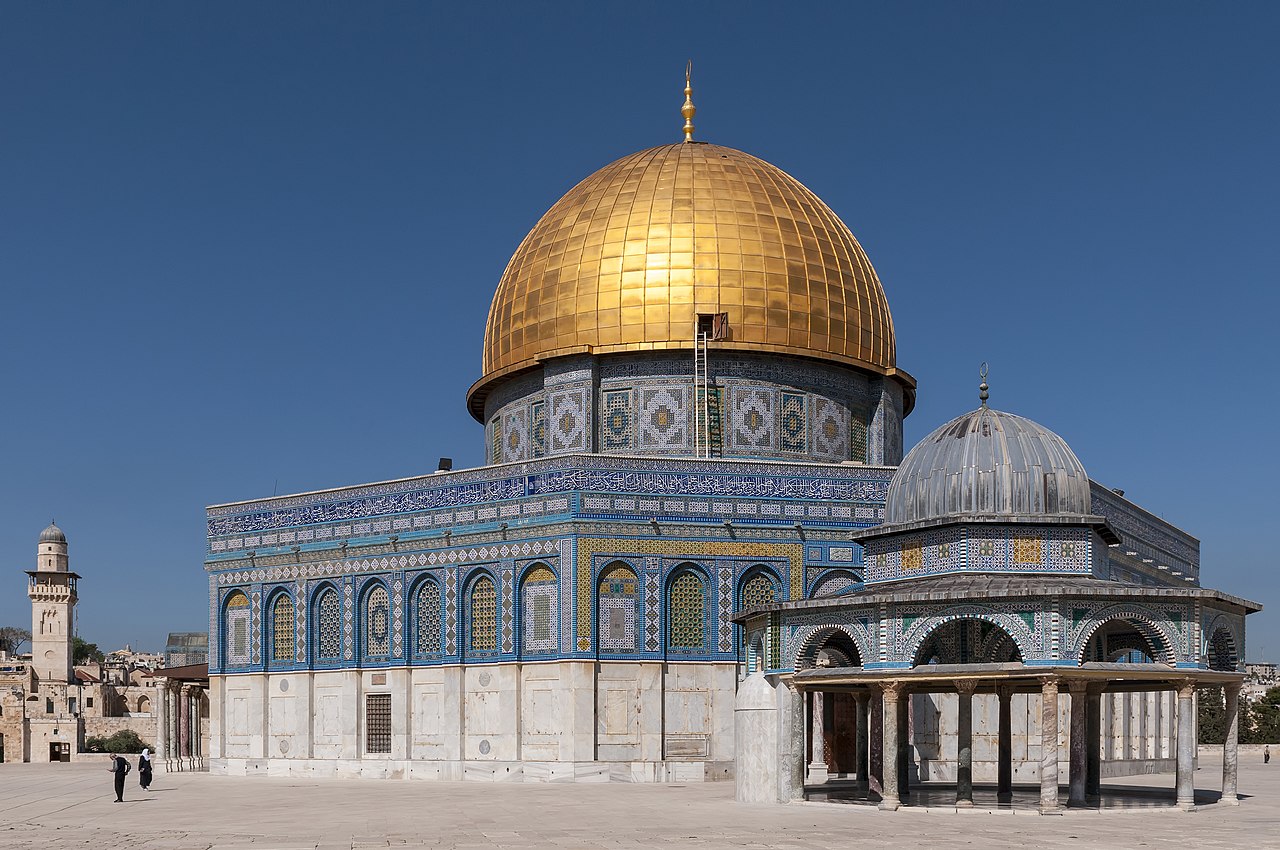
Israeli security forces restricted access to the Al-Aqsa Mosque compound in Jerusalem on Friday, preventing Muslim worshippers from entering for Eid al-Fitr prayers. This marked the first time the site, known as Haram al-Sharif to Muslims and Temple Mount to Jews, was closed to Muslim congregants for the Eid holiday since 1967. Hundreds of individuals were compelled to perform their prayers outside the Old City, near barricaded entry points.
Authorities in Israel cited security concerns, specifically referencing the ongoing confrontation with Iran, as the justification for the closure, which commenced on February 28. This measure has been interpreted by Palestinians as part of a broader strategy by Israel to leverage security situations to impose stricter controls and reinforce its authority over the religiously significant complex.
International Outcry and Diplomatic Responses
The closure has elicited strong international condemnation. The Arab League, the Organisation of Islamic Cooperation (OIC), and the African Union Commission jointly denounced the action. Their collective statement characterized the restrictions as a "blatant violation of international law" and a provocative act that jeopardizes religious freedom and risks escalating regional instability.
These organizations explicitly stated that Israel would be held fully accountable for the repercussions of these measures, which they argue undermine peace and security in the region. The Al-Aqsa Mosque compound is a focal point of religious and political sensitivities, revered by both Muslims and Jews, making access restrictions particularly contentious.
Historical Context and Religious Significance
The Al-Aqsa Mosque compound is one of the holiest sites in Islam and is also considered sacred in Judaism. Its historical status and control have been a continuous source of tension in the Israeli-Palestinian conflict. The 1967 closure for Eid al-Fitr serves as a significant historical precedent, underscoring the gravity of the recent restrictions.
Incidents of restricted access, coupled with increased arrests of Palestinian worshippers and religious personnel, have been reported following the closure. Additionally, there have been accounts of Israeli settlers entering the complex, further exacerbating tensions surrounding the site's administration and access rights.
Broader Implications for Regional Stability
The current restrictions on Al-Aqsa access occur within a wider regional context of heightened geopolitical tensions, particularly concerning Iran. While Israeli authorities frame the closure as a security imperative, the international community and Palestinian leadership view it as a move with significant political and religious implications.
Such actions at sensitive religious sites often have ripple effects, influencing diplomatic relations and potentially fueling unrest beyond the immediate vicinity. The incident highlights the intricate interplay between security concerns, religious freedoms, and political control in Jerusalem, a city central to the narratives of multiple faiths and nations.
Implications
Country Impact: The closure of Al-Aqsa Mosque for Eid prayers has intensified domestic Palestinian grievances and drawn sharp criticism from Arab and Muslim-majority nations, potentially straining diplomatic ties with Israel. It could also fuel internal political debates within Israel regarding security policies and religious site management.
Industry Impact: While direct industry impact is limited, heightened regional instability stemming from such incidents can affect tourism in the broader Middle East. Increased geopolitical risk perceptions might also influence investment decisions in the region's emerging markets.
Market Impact: Geopolitical tensions, especially those involving key religious sites, can introduce volatility into regional financial markets. While a direct, sustained market impact from this specific event is unlikely, it contributes to an overall risk premium for assets in the Middle East, particularly impacting local equities and bond yields.