Kremlin Arms Bolster Myanmar Junta's Air War
Russia support is strengthening Myanmar’s military airpower as the civil war enters year six in March 2026, with UN data citing rising civilian harm.
Lauren Collins ·
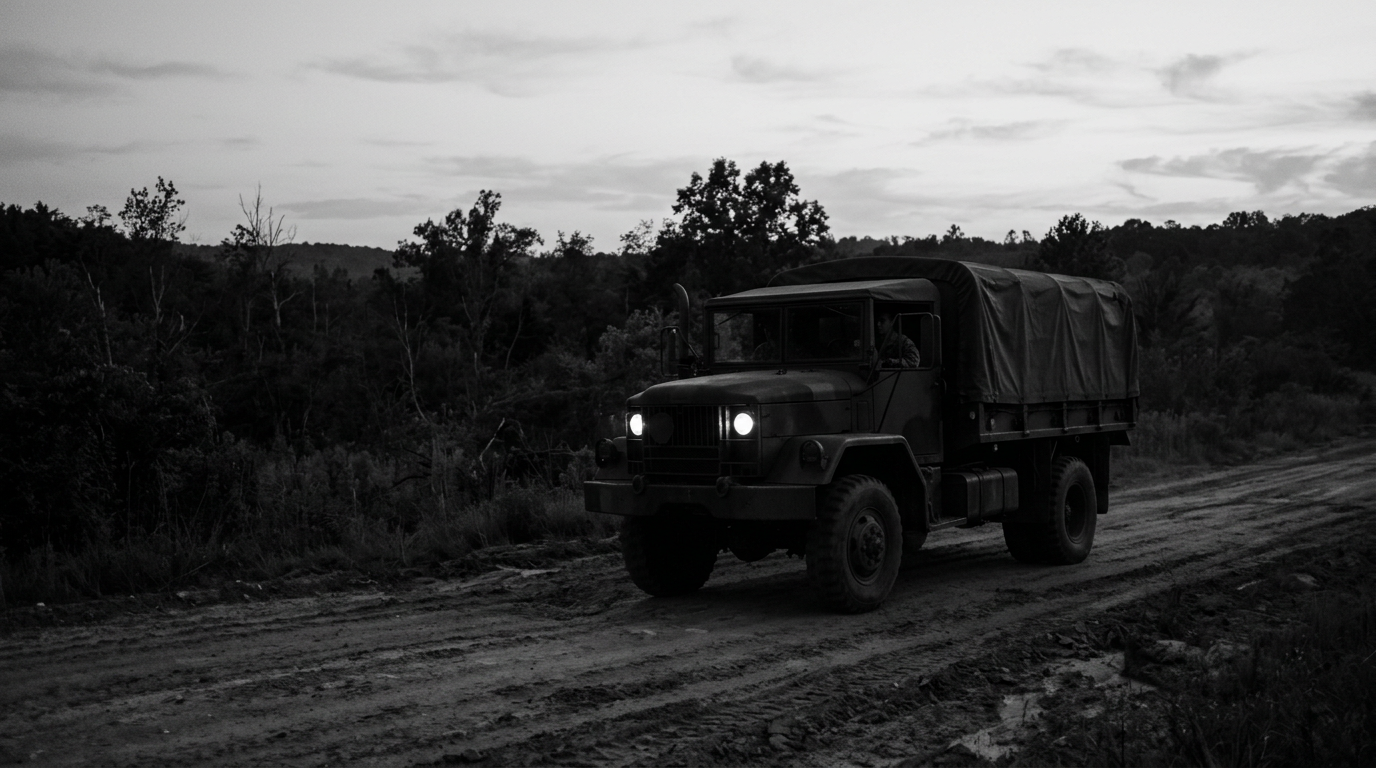
Russia’s military assistance to Myanmar has expanded the junta’s battlefield capabilities as the country’s civil war moved into its sixth year in March 2026. The support includes aircraft, drones, intelligence, and operational methods that have strengthened the military government’s position.
Available conflict and UN data also link the growing role of air operations to a rising civilian toll. The information in this report is based on a single set of cited sources: UN casualty assessments and conflict monitoring figures from ACLED.
What changed and what is being supplied
The cooperation has deepened since Myanmar’s 2021 coup and Russia’s 2022 invasion of Ukraine, a period in which both countries have faced international sanctions. The assistance described includes Russian-made jets, helicopters, and drones, alongside intelligence support and guidance on battlefield tactics.
Russian-provided airpower is described as central to Myanmar’s operations, including a fleet of six Sukhoi Su-30 fighter jets. The source material characterizes this air capability as giving the military government a decisive advantage in the conflict.
Casualty data tied to air attacks
United Nations data cited in the source material says air attacks were the leading driver of civilian casualties in Myanmar. It also reports that deaths attributed to aerial raids rose by 52% in 2025 compared with the prior year.
Separately, ACLED recorded 5,912 air strikes from February 1, 2021, to March 13, 2026, with at least 4,865 reported deaths. Over the same period, ACLED logged 931 drone attacks associated with at least 366 reported deaths.
Tactics and manpower
Beyond hardware, Myanmar’s military has adopted tactics described as “meat assaults,” involving repeated infantry waves with limited regard for losses. The source material links this approach to methods observed in the Ukraine war.
Myanmar introduced nationwide conscription in 2024, and it has reportedly added nearly 100,000 soldiers to the army. The source material says this influx has supplied the manpower needed for the infantry-heavy tactics now being used.
Reciprocal military links and constraints
The relationship is presented as two-way, with Myanmar reportedly providing optical targeting systems for Russian T-72 tanks in early 2023. The source material does not specify quantities, delivery routes, or the extent of integration into Russian armored units.
Key uncertainties remain, including how much of Myanmar’s operational effectiveness is attributable to Russian support versus domestic factors, and how independently the UN and ACLED figures can be verified in contested areas. The longer-term durability of supply chains under sanctions is also not detailed in the source material.