Philippines allows temporary use of dirtier fuel amid Middle East crisis
The Philippines temporarily approved higher-sulfur fuel use on March 22 to counter rising global oil prices and supply disruptions.
Lauren Collins ·
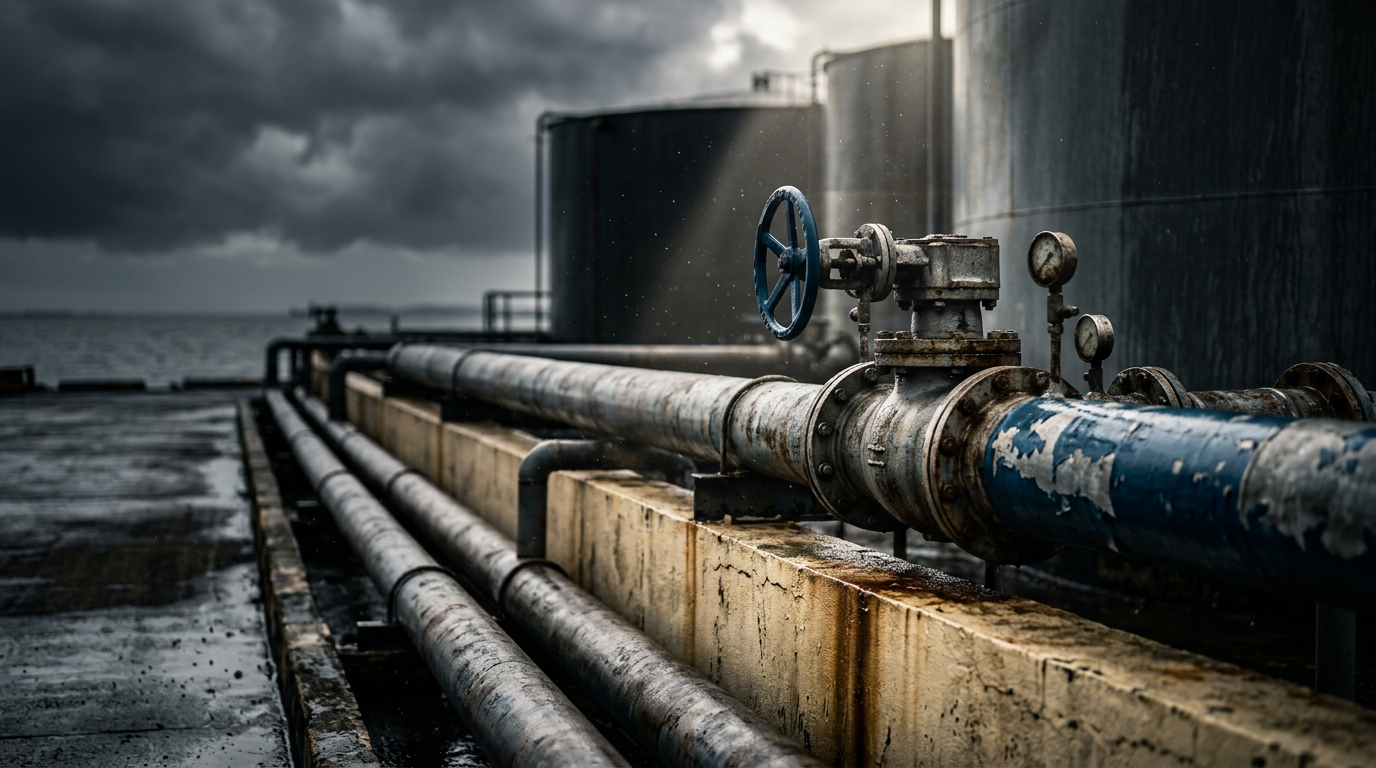
The Philippine government has temporarily permitted the use of higher-sulfur petroleum products for specific sectors, a move enacted on March 22 to address potential fuel shortages and rising costs. This policy adjustment allows older vehicles, including traditional jeepneys, power generators, and marine vessels, to utilize Euro-II compliant fuels.
The Department of Energy (DOE) has instructed oil companies to ensure complete separation of Euro-II and Euro-IV fuels throughout the supply chain, from storage to retail distribution.
This decision comes as global oil prices have escalated, primarily influenced by geopolitical tensions in the Middle East. The Philippines, a nation significantly dependent on oil imports from the region, faces economic pressures from these price increases. The government's action aims to stabilize fuel availability and affordability for critical sectors and consumers.
Fuel Standard Reversion and Economic Pressures
Prior to this temporary measure, the Philippines had transitioned to Euro-IV fuel standards in 2016, which limit sulfur content to 50 parts per million (ppm). The newly approved Euro-II fuels, by contrast, contain 500 ppm of sulfur. This temporary reversion is intended to provide immediate relief to industries struggling with elevated operational costs.
Rising diesel prices have particularly impacted public transport operators, leading to protests by jeepney drivers. In response, the government has explored various strategies to mitigate the economic burden, including fuel subsidies and adjustments to work schedules. These measures underscore the broader economic challenges posed by volatile energy markets.
Diversifying Energy Sources and Regional Diplomacy
President Ferdinand Marcos Jr. is actively pursuing diplomatic efforts to secure alternative fuel sources. Engagements are underway with several Asian nations, including India, China, Japan, South Korea, Thailand, and Brunei, to establish new supply agreements. This initiative highlights a strategic shift towards diversifying the country's energy import portfolio.
Furthermore, the Philippines is preparing to import Russian oil, marking the first such transaction in five years. This move signals a pragmatic approach to energy security, seeking to broaden supplier options beyond traditional Middle Eastern sources. The government's multi-faceted strategy aims to ensure a stable and accessible energy supply amidst ongoing global market uncertainties and geopolitical shifts.
Implications
Country Impact: The Philippines faces potential environmental concerns due to higher sulfur emissions but gains immediate relief from fuel price volatility and supply disruptions. This policy aims to stabilize domestic transport and power sectors, which are critical for economic activity.
Industry Impact: Oil companies must manage logistical challenges to segregate different fuel types, while sectors like public transport and power generation benefit from potentially lower fuel costs. The marine and shipping industries also gain flexibility in fuel procurement.
Market Impact: The decision could influence regional fuel markets by increasing demand for Euro-II compliant products. It also signals the Philippines' proactive approach to energy security, potentially impacting future crude oil purchasing patterns and supplier relationships.