Sudan army denies deadly Eid strike on key hospital in Darfur
Sudan's army denies responsibility for a deadly hospital strike in East Darfur, which the WHO reports killed 64 people, escalating humanitarian concerns.
Lauren Collins ·
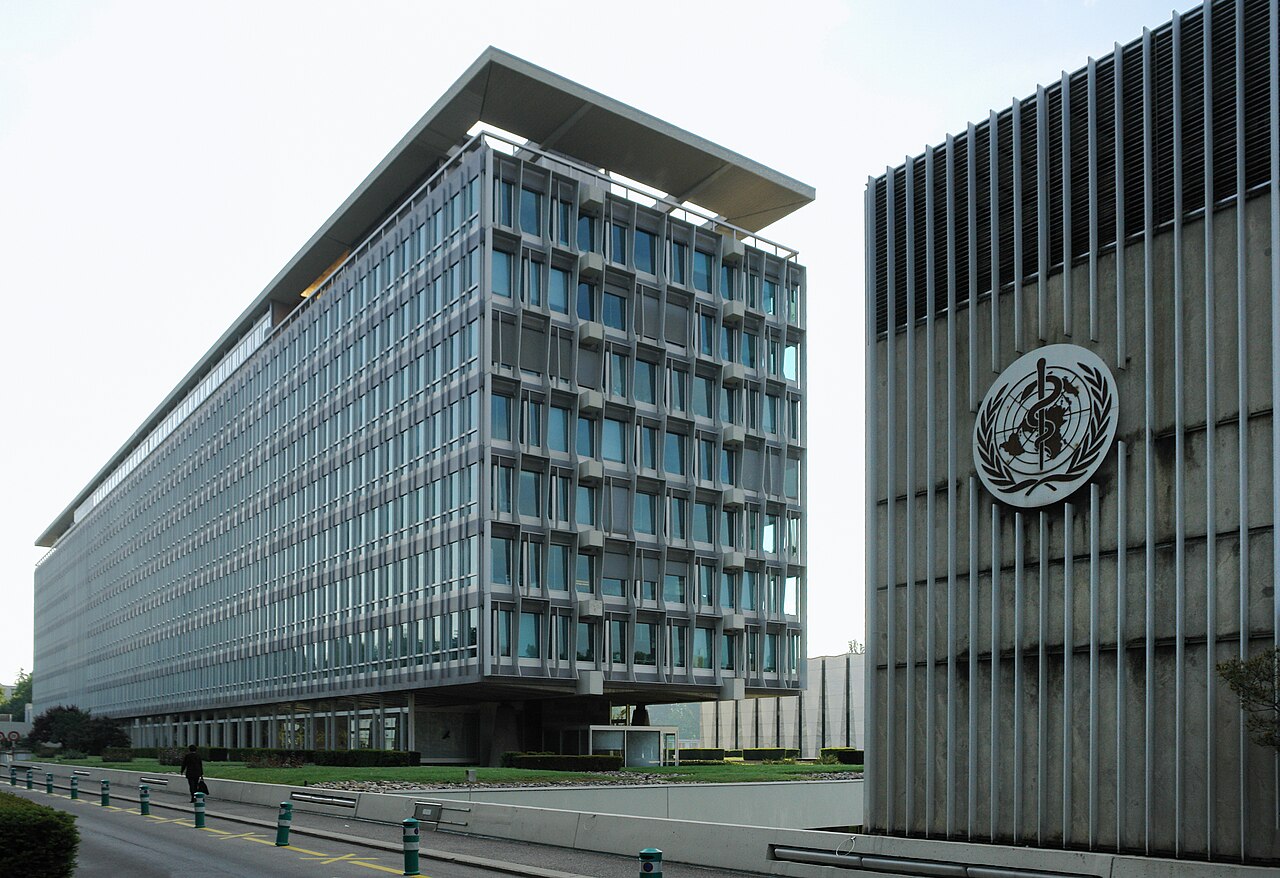
The Sudanese Armed Forces (SAF) have disavowed responsibility for a recent attack on el-Daein Teaching Hospital in East Darfur. This incident, which occurred during the Muslim festival of Eid, has drawn international condemnation and significantly impacted humanitarian operations in the region. The World Health Organization (WHO) reported substantial casualties and damage, raising concerns about adherence to international humanitarian law.
The hospital, situated in a city under the control of the paramilitary Rapid Support Forces (RSF), is now reportedly non-operational. The RSF has attributed the strike to an army drone, claiming it caused extensive damage to the facility's upper floor and emergency department, rendering critical medical equipment unusable. This accusation was met with surprise by the Sudanese military, which stated its commitment to international legal standards.
Escalating Conflict and Humanitarian Crisis
This event is part of a wider conflict that began in April 2023 between the SAF and the RSF. These two factions were formerly allied, having jointly seized power in a 2021 coup. The ongoing hostilities have led to a severe humanitarian crisis, with the United Nations characterizing it as the world's largest.
Since the conflict's commencement, over 150,000 individuals have died, and approximately 12 million people, representing nearly a third of Sudan's population, have been displaced from their homes. The WHO has documented a total of 213 attacks on healthcare facilities across Sudan, resulting in 2,036 fatalities, underscoring the severe risks faced by medical infrastructure and personnel.
International Calls for Investigation
Local human rights organizations have called for an independent investigation into the hospital attack. They emphasize the critical role of facilities like el-Daein Teaching Hospital in providing essential medical services to thousands of civilians in the conflict-affected region. The destruction of such infrastructure exacerbates the already dire humanitarian situation.
The international community continues to monitor the situation closely, with calls for all parties to the conflict to protect civilians and civilian infrastructure, including hospitals, in accordance with international humanitarian law. The denial of responsibility by the SAF highlights the challenges in attributing attacks and ensuring accountability amidst the ongoing hostilities.
Impact on Civilian Populations
The loss of functionality at el-Daein Teaching Hospital directly affects thousands of civilians who rely on its services. This incident further strains an already fragile healthcare system, making access to medical care increasingly difficult for vulnerable populations. The broader conflict has created widespread food insecurity, displacement, and a severe lack of basic services, pushing Sudan into a profound humanitarian catastrophe.
Efforts by international aid organizations to deliver assistance are frequently hampered by insecurity and access restrictions. The targeting of medical facilities, regardless of perpetrator, undermines these efforts and prolongs the suffering of the civilian population. The ongoing dispute over responsibility for the attack complicates humanitarian response and accountability mechanisms.
Implications
Country Impact: The incident exacerbates Sudan's humanitarian crisis, further destabilizing the nation and increasing civilian suffering. It undermines trust in conflict parties and complicates future peace efforts.
Industry Impact: The healthcare sector in Sudan faces immense pressure, with critical infrastructure being destroyed and medical personnel at risk. This severely limits access to essential services for millions.
Market Impact: Continued conflict and humanitarian crises deter foreign investment and disrupt local economic activity. The instability contributes to regional insecurity, potentially impacting commodity markets and aid flows.