Mass TSA resignations and absenteeism threaten domestic air travel stability amid funding lapse
U.S. airport delays persisted on March 24, 2026 as unpaid TSA staff drove higher call-outs and resignations, straining security checkpoints.
Lauren Collins ·
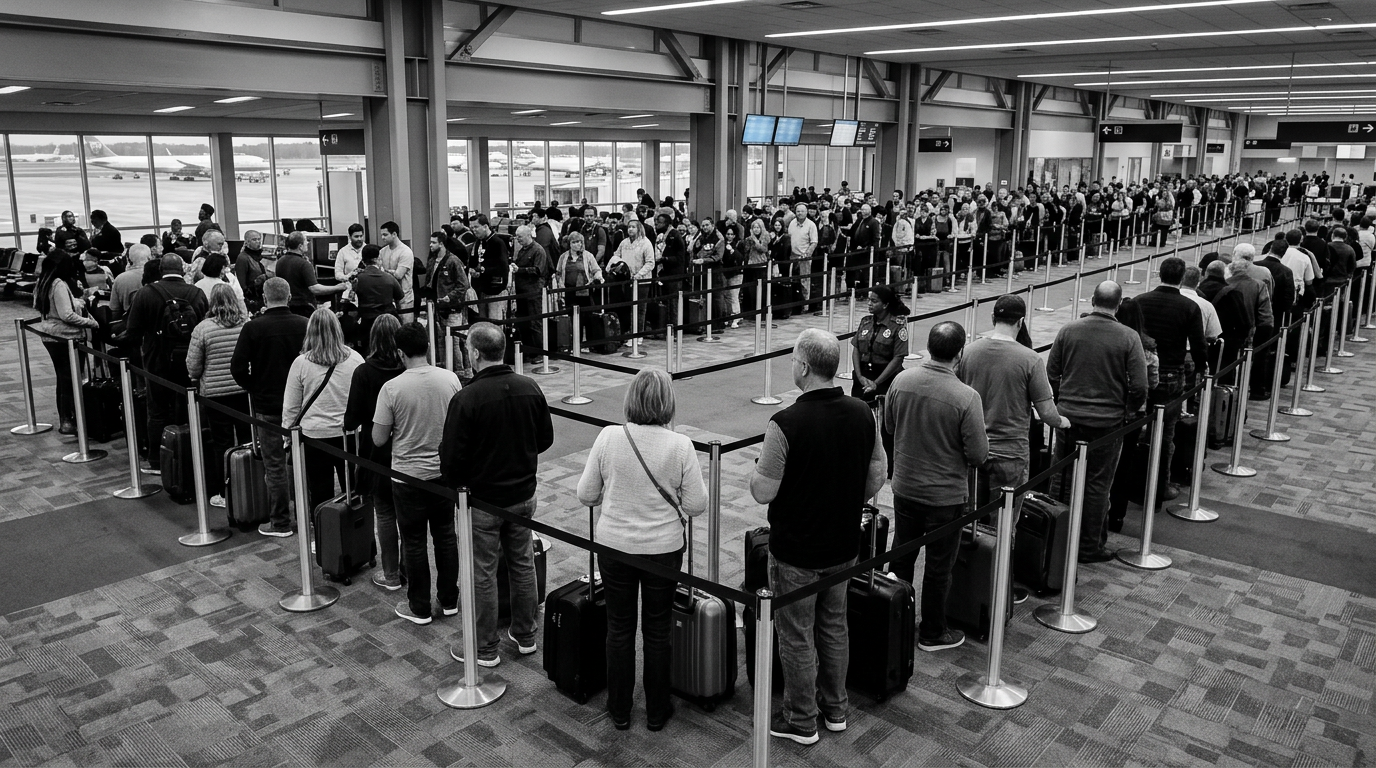
WASHINGTON D.C. – U.S. air travelers encountered significant disruptions and longer wait times at security checkpoints as of March 24, 2026. A partial federal government shutdown has left Transportation Security Administration (TSA) personnel unpaid for over a month, leading to reduced staffing and increased absenteeism nationwide.
The Department of Homeland Security (DHS), which oversees the TSA, is among the agencies impacted by the funding lapse. This situation has resulted in a notable rise in employee resignations and call-outs, directly affecting the efficiency of airport screening operations.
Staffing Shortages Impact Security Checkpoints
Since February 14, approximately 450 TSA employees have resigned, according to figures attributed to the shutdown's effects on DHS operations. The overall call-out rate for TSA staff has surged from about 2% to roughly 10% during this period. This increase significantly reduces the number of available screening lanes, especially during peak travel hours.
Major air hubs, including those serving New York, Atlanta, and Houston, have experienced even more severe staffing issues. These airports have reported call-out rates exceeding 30%, leading to fewer operational screening lanes and extended passenger queues, even when flight schedules remain unchanged.
Government Response Draws Scrutiny
The Trump administration has deployed federal agents from U.S. Immigration and Customs Enforcement (ICE) to help address the staffing deficits. This measure has drawn criticism regarding whether ICE agents possess the same training and operational protocols as TSA screeners.
Details regarding the extent of ICE personnel deployment, their specific roles at checkpoints, and any measurable improvements in wait times or lane utilization remain unclear. No specific critics or evidence supporting concerns about their training have been detailed in available information.
International Tensions Exacerbate Domestic Issues
Operational pressures at U.S. airports coincide with broader international travel complications stemming from the U.S.-Israel conflict with Iran. This geopolitical situation has led to flight cancellations, rerouting, elevated energy prices, and heightened security concerns, all of which can ripple into U.S. flight schedules through aircraft rotations and network planning.
Analysts suggest that the combination of domestic staffing strains and international instability contributes to a perception of systemic dysfunction within the travel sector. This commentary also raises questions about overall safety and reliability, though no specific incident data is available to substantiate a change in safety outcomes.
Economic and Policy Implications
For airlines and airports, prolonged screening delays can diminish passenger satisfaction and complicate on-time performance. This could have cascading effects on revenue management and operational costs. For policymakers, the current situation underscores how disruptions in critical public services, particularly those involving employee pay, can quickly create significant operational bottlenecks.
Globally, the confluence of U.S. airport friction with conflict-driven rerouting and higher energy prices may tighten aviation capacity and increase costs across international routes. The near-term outlook remains uncertain, as the duration of the government shutdown, the sustainability of temporary staffing solutions, and the trajectory of the regional conflict are not yet specified.