Cuba Experiences Second Nationwide Power Outage Amid Fuel Supply Issues
Cuba power grid failure hit nationwide again on Saturday, as a Russian gas cargo diverted and fuel deliveries remain delayed.
Lauren Collins ·
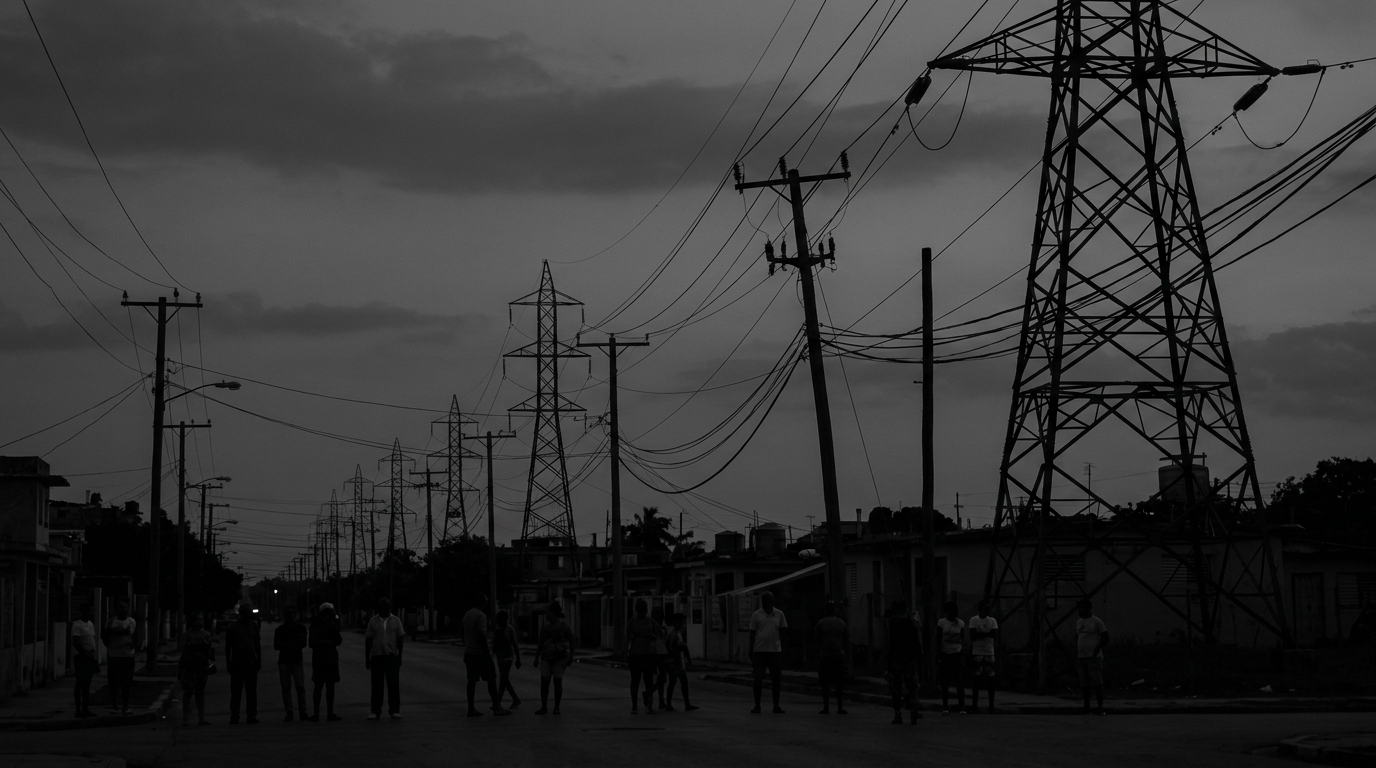
Cuba suffered a second nationwide electricity blackout in a week on Saturday, underscoring how quickly the island’s power system can fail when fuel supplies tighten.
The Energy Ministry confirmed the collapse of the national grid. The outage came as Cuba continues to depend on imported oil and fuel, with deliveries disrupted and at least one expected cargo changing course.
What changed and what is known
The latest grid failure followed a routing shift by a vessel that had been expected to deliver Russian fuel to Cuba. According to the information provided, the Hong Kong-flagged Sea Horse , carrying Russian gas, diverted from Cuba toward Venezuela on March 19 .
Separately, another Russian tanker, the Anatoly Kolodkin , is still heading toward Cuba and is expected to arrive on March 30 . The source material does not specify whether that cargo will be sufficient to stabilize generation or how long any relief could last.
Supply constraints behind the outages
Cuba has not received energy shipments since January 9 , according to the details provided. With the country reliant on imported fuel, gaps in deliveries can translate directly into reduced power generation and higher risk of system-wide failures.
The report characterizes the situation as evidence of a fragile energy infrastructure. It does not provide technical causes for the grid collapse, such as plant outages, transmission faults, or demand spikes, leaving key operational details unclear.
Policy backdrop: sanctions and trade pressure
The continuing US energy embargo is described as a factor limiting Cuba’s access to fuel. In addition, the United States has threatened tariffs on countries that supply the Cuban government, adding potential costs and uncertainty for would-be shippers and intermediaries.
Cuban President Miguel Díaz-Canel said earlier this month that talks are ongoing with the US administration regarding what he called the energy blockade. No timeline, negotiating details, or likely outcomes were provided.
Why it matters for markets and the region
Repeated nationwide outages can disrupt economic activity across households, public services, and businesses, raising near-term operational risk for any entity dependent on stable electricity. For energy and shipping markets, the rerouting of cargoes and the threat of trade penalties can complicate logistics and financing for fuel deliveries into sanctioned or politically sensitive destinations.
Regionally, the diversion of a gas cargo to Venezuela highlights how supply decisions can shift quickly across the Caribbean and northern South America, affecting where scarce shipments land. The next key datapoint will be whether the Anatoly Kolodkin arrives as expected on March 30 and whether Cuba resumes regular deliveries after the January 9 gap.
💊 Kapsül Analysis
📌 What Happened?
- Cuba experienced a second nationwide blackout in a week, confirmed by the Energy Ministry.
- The Sea Horse, carrying Russian gas, diverted from Cuba to Venezuela on March 19.
- Cuba has not received energy shipments since January 9; another tanker is expected March 30.
🔍 Why It Matters
- Repeated grid failures signal high sensitivity to fuel delivery gaps in an import-dependent system.
- Sanctions and tariff threats can raise transaction risk for suppliers, shippers, and insurers.
- Unclear technical causes and uncertain cargo arrivals complicate planning for businesses and public services.
📈 Market & Political Impact
- Energy/shipping: Cargo diversions and policy risk can alter routes, costs, and availability across the region.
- Macro: Power instability can constrain output and services, affecting near-term economic activity.
- Geopolitics/trade: US embargo pressure and Cuba-US talks keep the issue tied to broader regional diplomacy.
👁️ What to Watch
- Whether the Anatoly Kolodkin reaches Cuba around March 30 as expected.
- Any resumption of shipments after the January 9 gap.
- Updates on Cuba-US discussions and any changes to tariff or embargo enforcement.
📋 Source Status
Single-source
📊 Confidence
Level: Medium — core events and dates are specific, but technical causes and supply volumes are not provided.
Implications
Country Impact: undefined
Industry Impact: undefined
Market Impact: undefined