

Janes Offers Military Intelligence for Operational Planning
Janes is offering unclassified military intelligence datasets to support operational planning and crisis response, including PMESII reports and force data.
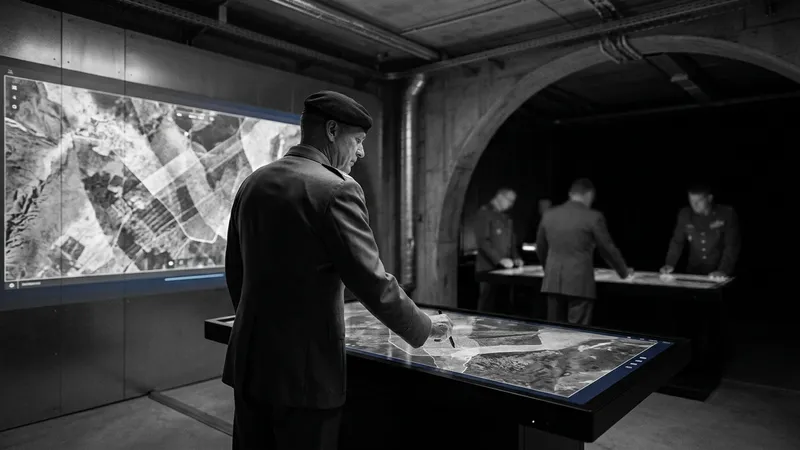
Janes has rolled out a military intelligence data service aimed at helping users adjust operational plans and respond to crises using structured, unclassified information.
The offering is positioned as a planning and decision-support tool for campaign design across multiple operational theaters, with an emphasis on sharing insights among allies and partners.
What is being offered, and who it is for
According to Janes, the service provides military intelligence data intended to inform operational planning processes and support threat-focused adaptation of plans.
The company says the platform is built to enable intelligence sharing for multi-country collaboration, using unclassified datasets that can be exchanged among partners.
What is inside the datasets
Janes states that the insights are derived from about 500,000 analyst hours each year, which it says are used to generate and maintain its intelligence outputs.
The service includes 197 country-focused PMESII reports, alongside orders of battle and inventories covering military powers.
Janes also says it provides data on more than 30,000 geolocated military installations, 41,000 military units, and 90,000 pieces of military equipment.
How it fits into existing systems
Janes describes its datasets as interoperable across different platforms, with the goal of augmenting existing intelligence systems rather than replacing them.
By focusing on unclassified information, the service is designed to support collaboration where classification rules can otherwise limit what can be shared across borders and organizations.
Why it matters now
Operational planning increasingly depends on data that can be integrated quickly across tools and teams, particularly when multiple countries are coordinating responses.
In that context, a standardized, unclassified dataset can reduce friction in joint planning by giving partners a common reference set for installations, units, equipment, and country-level assessments.
Limits, uncertainties, and practical risks
Because the service is unclassified, it may not include sensitive details that some users rely on for certain mission types, and Janes has not specified how customers should combine it with classified holdings.
Janes also has not provided details in the available information on update frequency, validation methods, or how discrepancies are handled when partners bring different internal datasets to a joint planning effort.
Neutral closing
Janes is framing the service as a way to support crisis response and operational planning through interoperable, shareable intelligence data, anchored by country reports and large-scale force and facility datasets.
How widely it is adopted, and how it performs in real-world multi-country planning workflows, will depend on integration choices and the degree to which users can align it with their existing systems and processes.
💊 Kapsül Analysis
📌 What Happened?
- Janes introduced a military intelligence data service aimed at operational planning and crisis response.
- The company says the platform supports unclassified intelligence sharing among allies and partners.
- It includes PMESII reports, orders of battle, inventories, and geolocated force-structure data.
🔍 Why It Matters
- Unclassified datasets can be shared more easily across borders, which can speed up joint planning.
- Interoperable data can help teams align tools and workflows when coordinating across multiple countries.
- Large, structured force and facility datasets can support campaign planning across different theaters.
📈 Market & Political Impact
- Markets: Defense-intelligence data services may see increased demand where interoperability and rapid integration are priorities.
- Macro: Faster planning cycles can influence procurement and readiness decisions, affecting budget allocation timing.
- Geopolitics/trade: Easier multi-country collaboration can shape how partners coordinate responses and share baseline assessments.
👁️ What to Watch
- Whether Janes discloses update cadence and data-governance practices for the datasets.
- How users integrate the unclassified data with existing intelligence systems.
- Adoption patterns among allies and partners that prioritize multi-country planning.
📋 Source Status
Single-source
📊 Confidence
Level: Medium — The dataset scope and counts are specific, but operational performance and adoption details are not provided.
Implications
Country Impact: undefined
Industry Impact: undefined
Market Impact: undefined
More stories
- Houthis hit Riyadh airport after 12 killed
- Yemen Cabinet backs Houthi terrorist label after 12 deaths
- Washington weighs a harder bargain for Israel’s next defense aid pact
- Turkey-Israel spat puts Washington’s Gaza diplomacy in a tighter corner
- Mashreq CEO Abdelaal joins 15-member Swift board
- Sudan strikes kill 112, rights group says
- Drone Attack Precedes US-Ukraine Talks Amid Sanctions Shift
- Iranian missile strikes injure 115 in Israel, officials say, puncturing air defenses and shocking the public
- Benjamin Netanyahu warns Europe against Iran, calls on leaders to join war - The Jerusalem Post
- Sudan drone attack on key hospital killed 64 people during Eid, WHO says