Iranian Cluster Munitions Kill Two in Central Israel
Iran cluster munitions struck central Israel on March 5, 2026, killing two near Tel Aviv and damaging infrastructure, including a train station.
Lauren Collins ·
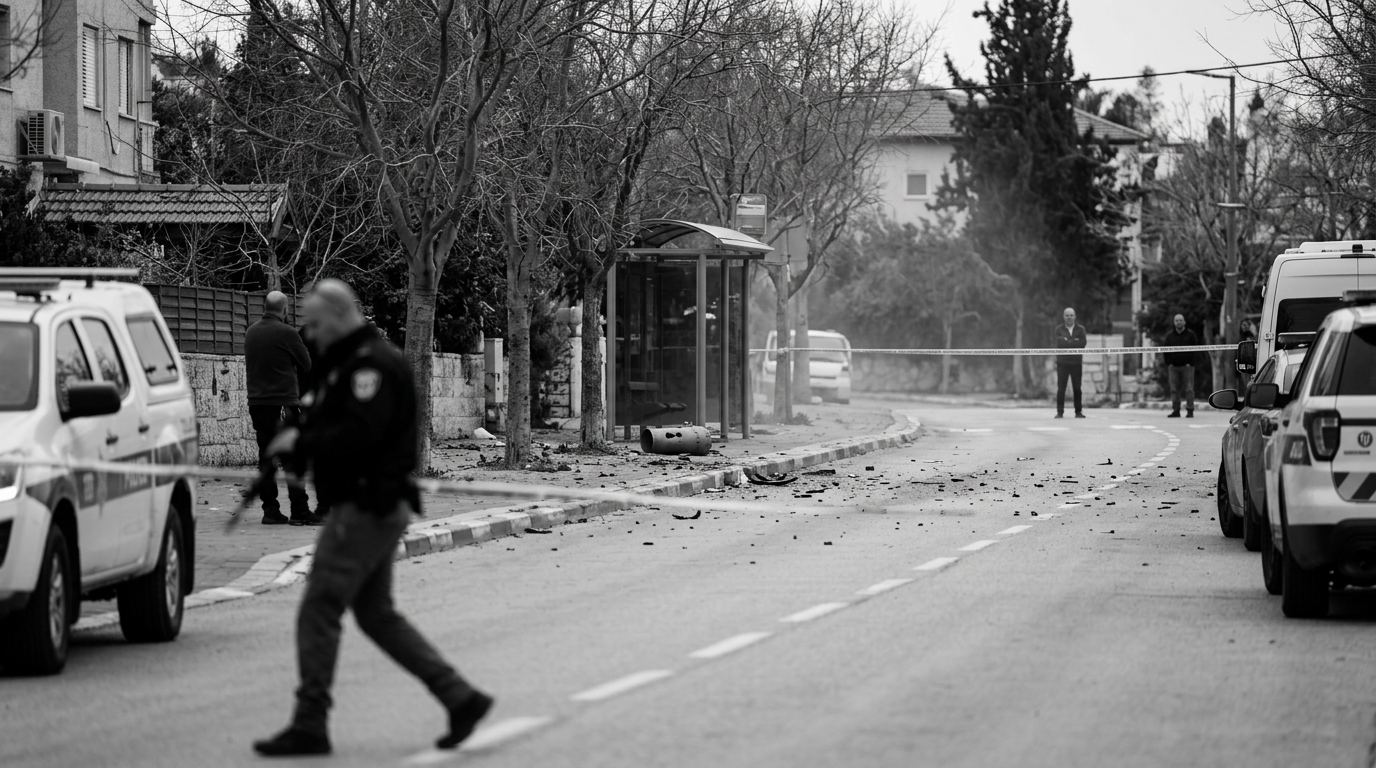
Iran fired missiles fitted with cluster-type warheads toward central Israel on March 5, 2026, in an attack that killed two people and left several others injured. The casualties were reported in the Ramat Gan area near Tel Aviv, alongside significant damage to buildings and infrastructure.
The Islamic Revolutionary Guard Corps (IRGC) described the strike as retaliation for the March 17 killing of Iranian security chief Ali Larijani. The use of a dispersing warhead, rather than a single explosive payload, marked a notable shift in the type of munitions used in the conflict.
What changed in this strike
Cluster-style warheads release multiple smaller submunitions as they near a target area. That design can widen the impact footprint compared with a conventional unitary warhead, and it can complicate interception because defensive systems may face many objects rather than one.
Experts cited in the source material said Iranian cluster warheads may carry roughly 20 to 80 bomblets, depending on the missile variant. The same reporting noted that this dispersal effect has heightened concern in Israel due to the potential for broader damage in dense urban areas.
Damage and immediate effects
Beyond the deaths and injuries near Tel Aviv, the attack caused substantial property destruction. The source material specifically referenced damage at a Tel Aviv train station, underscoring the risk to transport nodes and other civilian infrastructure when wide-area munitions are used.
The report did not provide a full accounting of the number of missiles launched, the precise locations of all impacts, or the extent of disruption to rail services. Those gaps limit independent assessment of the strike’s operational scale and its longer-term effects on mobility in the area.
Missile capability context
The source described Iran’s missile arsenal as the largest and most varied in the Middle East, spanning ballistic and cruise systems. It listed several missile families—Shahab-3, Emad, Ghadr-1, and Khorramshahr variants—as platforms capable of carrying payloads of this type.
From a defense-planning perspective, the reported shift toward submunition payloads highlights a challenge for existing interception architectures. A single incoming missile that breaks into many objects can stress radar tracking, interceptor allocation, and debris management, particularly over populated areas.
Legal and diplomatic backdrop
Cluster munitions are not prohibited everywhere, but the report noted that 111 countries have joined a treaty banning their use. The source did not state whether Iran or Israel are parties to that convention, leaving the legal positioning of the actors unclear within the treaty framework.
Even without universal prohibition, the reintroduction of such munitions into a high-visibility theater can influence diplomatic pressure, defense procurement priorities, and risk assessments for civilian infrastructure. The episode also illustrates how missile warfare continues to evolve in ways that test established defensive systems.