New Defense Department Restrictions Test Legal Limits of Press Access During Conflicts
Pentagon set new press rules on March 17, 2026, after a judge voided earlier limits; journalists face escorts and a new workspace.
Lauren Collins ·
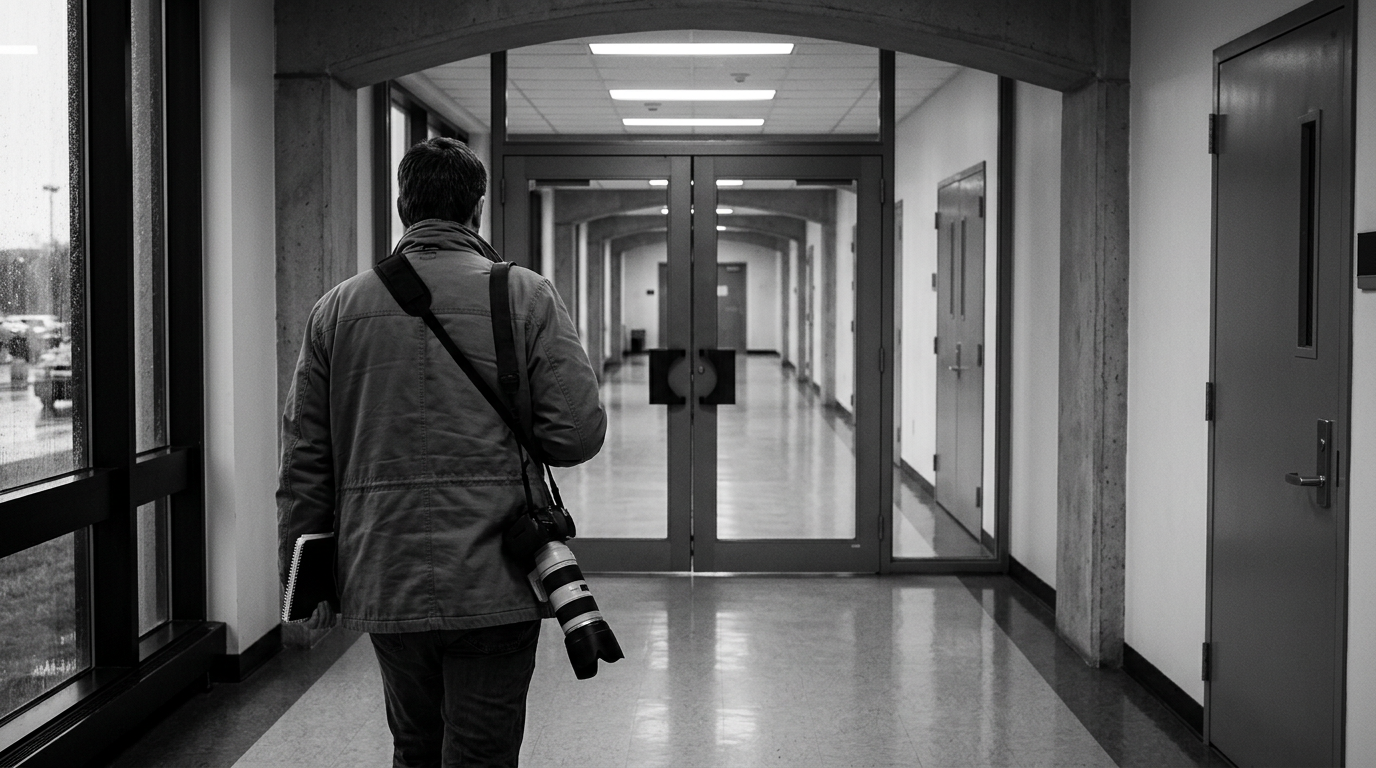
The U.S. Department of Defense has announced a new set of limits on how journalists can work inside the Pentagon, days after a federal judge struck down earlier restrictions and ordered press credentials restored.
The policy shift, unveiled Monday, March 17, 2026, includes closing the long-used media work area known as the “correspondents’ corridor” and relocating reporters to a new press space in an annex outside the main Pentagon building.
What changed inside the Pentagon
Under the new rules, journalists will also need a Defense Department escort after they enter the Pentagon, rather than moving unaccompanied within the building.
Chief Pentagon spokesperson Sean Parnell said the changes are driven by security considerations, arguing that unescorted movement cannot be maintained “responsibly” without the ability to screen credentialed individuals for security risks.
Legal backdrop and immediate pushback
The announcement follows a federal court decision on Friday, March 14, 2026, that sided with The New York Times. The judge ordered the restoration of the outlet’s press passes and nullified several limits that had been imposed last fall.
The New York Times said it would return to court, contending the newly announced approach continues what it describes as unconstitutional constraints on newsgathering.
The Pentagon Press Association also criticized the move, saying the new policy conflicts with the judge’s order.
Parnell said the Defense Department plans to appeal the ruling.
Why the dispute matters now
In the judge’s decision, press access was framed as especially significant amid U.S. intervention in Iran and Venezuela, underscoring the role of on-site reporting during periods of heightened military and foreign-policy activity.
For media organizations, the practical effect of relocating workspaces and requiring escorts can shape how quickly reporters can verify information, reach officials, and observe routine activity—factors that influence the speed and depth of coverage.
Market and political relevance
Defense policy and military operations can move global markets through energy prices, risk sentiment, and defense-sector expectations. Limits on day-to-day access may affect how investors and the public receive information about U.S. security decisions, particularly when tensions involve major oil-producing regions or key shipping routes.
At the same time, the Pentagon is explicitly linking the new rules to security screening and facility protection, setting up a direct tension between operational security and the court’s view of press access.
Uncertainties and next steps
Key details remain unclear from the announcement, including how escorts will be staffed, what areas will be accessible under the new system, and how quickly the annex workspace will be fully operational for daily reporting.
With the Defense Department pursuing an appeal and The New York Times signaling further court action, the near-term outcome will likely depend on how judges interpret whether the new measures comply with the March 14 order while addressing the security rationale cited by the Pentagon.