UK Proposes Hormuz Security Summit
UK proposes a Hormuz security summit to coordinate reopening the oil chokepoint after Middle East conflict disruptions and market pressures.
Lauren Collins ·
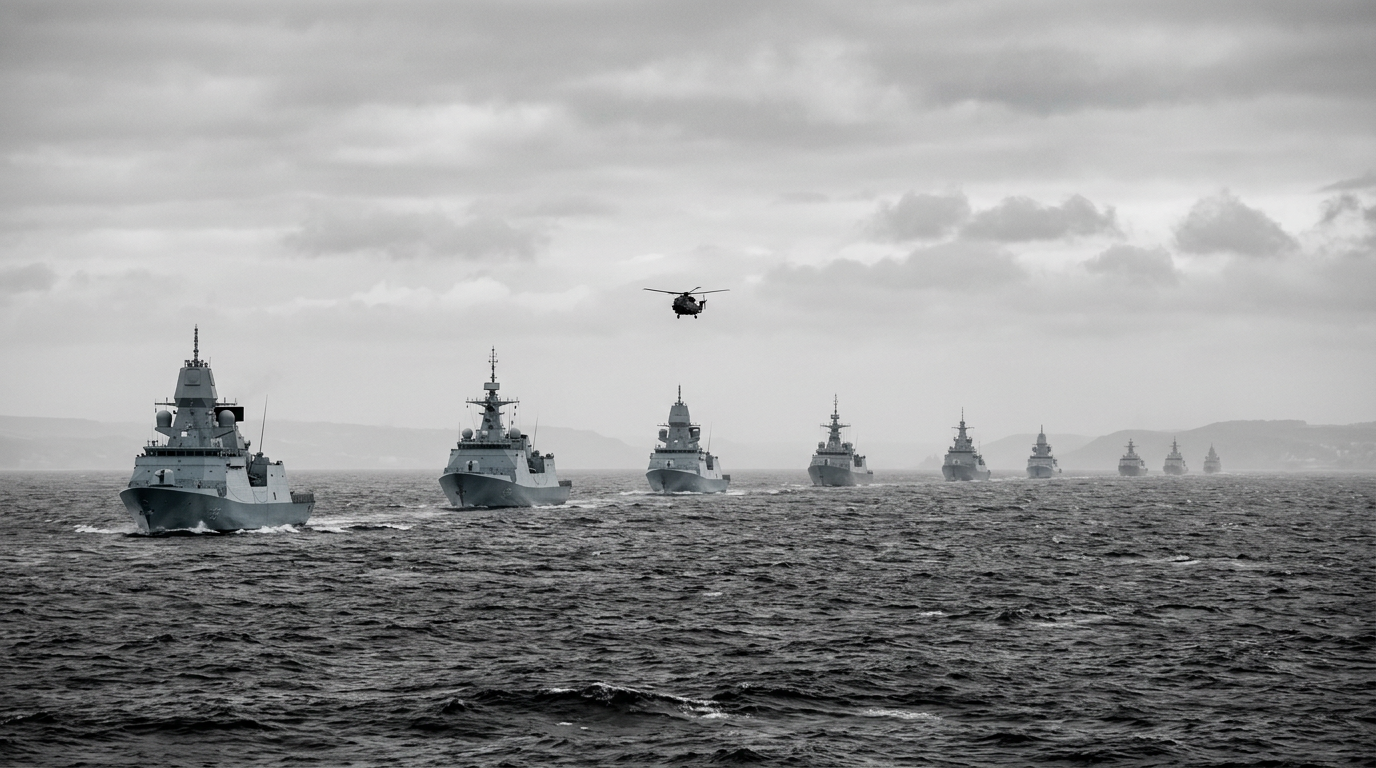
The United Kingdom has offered to convene an international security summit aimed at restoring safe commercial transit through the Strait of Hormuz, a major corridor for global energy shipments.
The proposal comes after disruption linked to the ongoing Middle East conflict, with the waterway described as effectively shut because of threats of retaliatory strikes.
What the UK is proposing
UK officials have suggested hosting the meeting in either London or Portsmouth, with the stated goal of building a shared plan to reopen a secure route for merchant vessels.
The initiative is framed as a way to reassure commercial shipping and support a rapid reduction in regional tensions, amid concerns about spillover into the global economy.
Coalition-building and military planning
UK defence officials have been in contact with US Central Command to discuss operational options for protecting passage through the strait.
More than 30 countries have backed a joint statement committing to work together to safeguard the waterway, including the United Arab Emirates, France, Germany, Canada, and Australia.
Tools under discussion
Among the measures discussed is the possible use of minesweeping drones in the Gulf, reflecting a focus on practical steps that could reduce risks to shipping.
Further military-to-military talks are expected among defence chiefs from the countries that signed the statement, and invitations may be extended to additional states to broaden participation.
Why Hormuz matters to markets
The Strait of Hormuz is a critical chokepoint for energy trade, with about 20% of the world’s oil supplies typically moving through the passage.
The UK initiative explicitly links the disruption to economic pressures, including higher oil prices and increased government borrowing costs, highlighting how security conditions can transmit quickly into inflation expectations and sovereign financing conditions.
Risks, unknowns, and next steps
Key details remain unclear, including the timing of any summit, which countries would attend beyond current signatories, and what specific operational commitments participants would make.
While the stated objective is to reopen a safe route, the strait’s status is tied to an active conflict environment, meaning the durability of any reopening plan would depend on threat levels and coordination among participating militaries.