Iranian missile hits central Tel Aviv as Netanyahu vows to continue retaliatory strikes
Iran missile hits Tel Aviv on Tuesday, injuring at least six, as Israel vows more strikes and Gulf states report spillover disruptions.
Lauren Collins ·
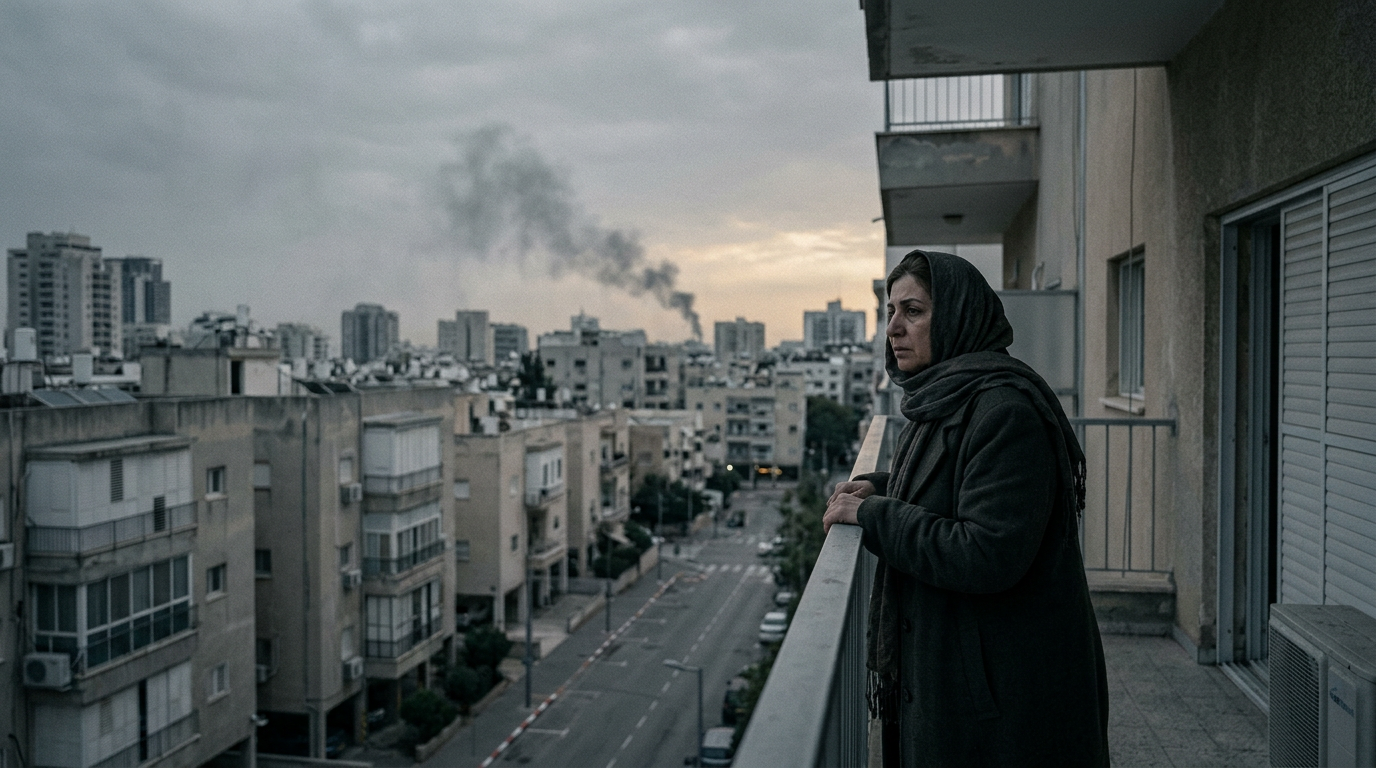
An Iranian missile hit central Tel Aviv on Tuesday, damaging buildings and vehicles and injuring at least six people, based on emergency-service reports from one impact location.
The strike came as Israel and Iran traded threats and military action, underscoring a fast-moving escalation that is also producing spillover effects in parts of the Gulf.
What happened in Israel
Emergency responders reported casualties at a single strike site in Tel Aviv, where the blast damaged nearby property. Separately, debris from intercepted missiles caused limited damage in Rosh Ha'ayin.
Israeli Prime Minister Benjamin Netanyahu said Israel would continue striking Iran and Lebanon. The statement was presented as a commitment to sustain operations rather than a specific timetable or target list.
Escalation cycle and competing signals
The Tel Aviv impact followed what the source describes as a retaliatory pattern, after Israel began a new round of attacks on Monday aimed at Iranian infrastructure. The source does not provide further operational details on those Monday strikes.
Iran’s Islamic Revolutionary Guard Corps warned of attacks without restraint if the conflict continues. The warning is an attributed threat; the source does not confirm any new IRGC action beyond Tuesday’s reported strike.
Casualty reporting and data limits
Israel’s Health Ministry reported 4,829 people injured since the conflict began, with 111 still hospitalized. The source does not specify the time window for these figures or how injuries are categorized.
In Iran, the Human Rights Activists' News Agency said at least 206 attacks occurred across 15 provinces in the past 24 hours, with at least four casualties. Separately, the source states total deaths in Iran have exceeded 1,500, while some groups have cited figures as high as 3,230 as of March 21.
Regional spillovers into Gulf states
The escalation has also affected nearby Gulf countries. Bahrain reported a fire at a company site, and Kuwait experienced temporary power outages attributed to shrapnel from air defenses.
These incidents highlight how air-defense activity and falling debris can create cross-border risks even when primary targets are elsewhere, raising operational and insurance considerations for businesses and critical infrastructure.
Why markets and policymakers are watching
For investors and governments, the immediate focus is on whether the exchange of strikes broadens geographically or intensifies in tempo. The source material confirms damage and injuries in Israel and reports of widespread attacks and fatalities in Iran, but it also shows uncertainty in headline casualty totals due to differing counts.
With Gulf infrastructure already reporting disruptions, the situation matters beyond the immediate belligerents because it can affect regional risk pricing, business continuity planning, and diplomatic calculations across energy-exporting states and their trading partners.