Strait of Hormuz Tensions Push Brent Crude Past $100
Iran-linked Strait of Hormuz constraints have disrupted over 20m bpd, pushing Brent above $100 and prompting a 400m-barrel IEA reserve release.
Lauren Collins ·
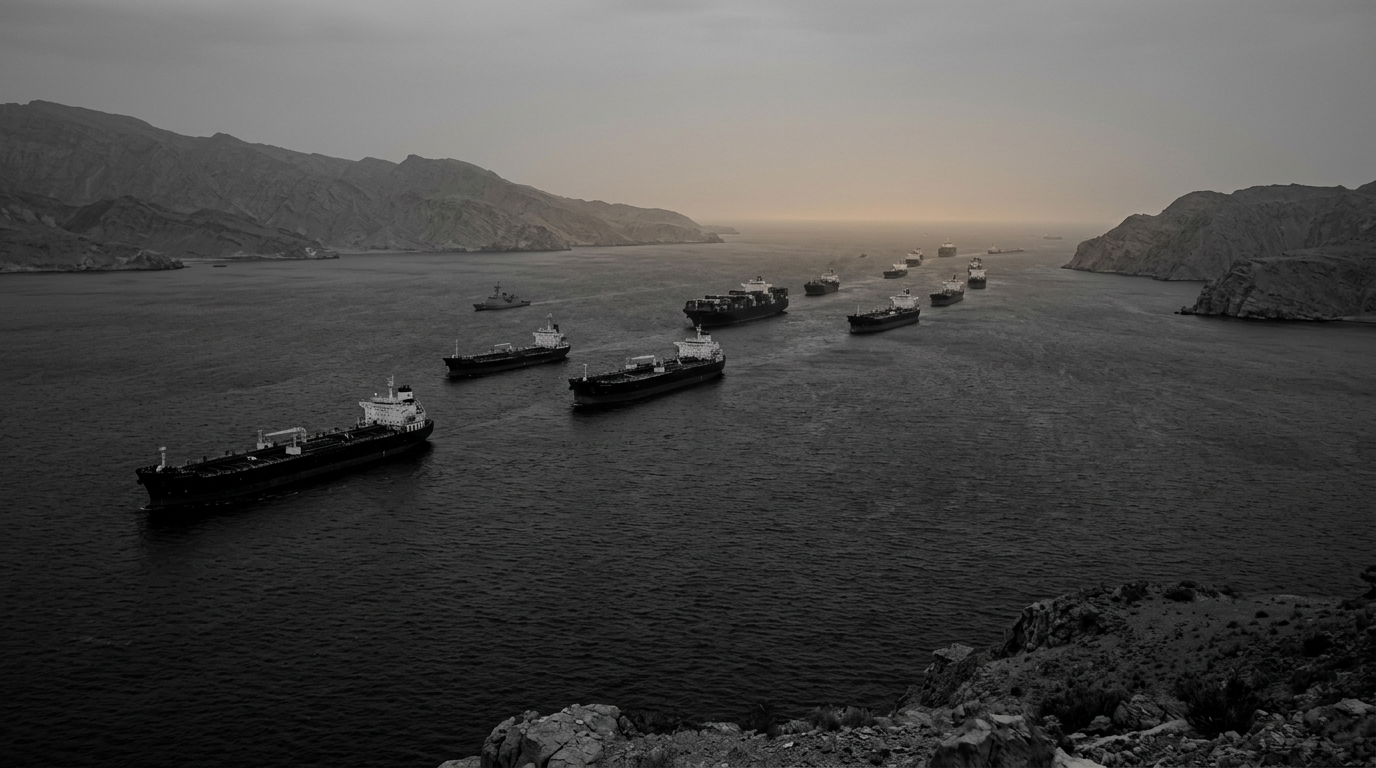
Oil shock spreads as Hormuz transit tightens
A confrontation involving the United States, Israel, and Iran has triggered what the International Energy Agency (IEA) described as the largest oil supply interruption on record in an assessment dated March 24, 2026.
The IEA said the disruption is tied to Iran restricting movement through the Strait of Hormuz, a key maritime route for global crude shipments. The agency estimated that more than 20 million barrels per day have been prevented from moving, roughly one-fifth of worldwide oil use.
Prices jump, and the shock hits refined fuels
Since the conflict began, Brent crude has climbed from about $66 a barrel to above $100, based on the figures cited in the IEA assessment. The move has also lifted prices for products derived from crude, including diesel, heating oil, and jet fuel, with knock-on effects across transport and industry.
In the United States, the national average price for gasoline rose from below $3 per gallon to above $5 in some states, with certain locations reaching $8 per gallon. The source material does not provide comparable retail fuel figures for other countries, but it states that higher costs are being felt globally.
How this compares with past supply disruptions
The IEA assessment said the current interruption exceeds the 1973 oil embargo in scale. During that earlier episode, Arab producers cut output by about 4.5 million barrels per day, which the source notes was around 7% of global supply at the time.
By contrast, the present constraint is described as stopping flows above 20 million barrels per day. The source does not specify how long the current restrictions have been in place or provide a timeline for potential reopening of transit.
Policy response: strategic reserves and demand restraint
In response, the IEA said its 32 member states agreed to release 400 million barrels from strategic stockpiles. The agency also issued demand-side guidance, including reducing travel, expanding remote work, and switching cooking from oil-based fuels to electricity where possible.
Even with these steps, the source material says experts view the measures as insufficient to fully offset a worldwide shortage if geopolitical tensions continue. The article does not name those experts or quantify the expected gap between supply and demand under different scenarios.
Why it matters for markets and governments
A disruption of this size can quickly transmit into inflation-sensitive categories such as transport, logistics, and household energy, because crude and refined fuels are inputs across the economy. For policymakers, the combination of higher fuel costs and constrained supply can complicate decisions on inflation control and growth support, particularly in import-dependent economies.
Key uncertainties remain: the duration of the Strait of Hormuz constraints, the pace and effectiveness of reserve releases, and whether demand-reduction guidance translates into measurable consumption declines. Until those variables become clearer, energy markets are likely to remain highly sensitive to developments in the conflict.