EU Urges US-Iran Dialogue Amid Hormuz Tensions
Strait of Hormuz tensions drew an EU call Tuesday for US-Iran talks, warning of higher oil and gas prices and wider economic disruption.
Lauren Collins ·
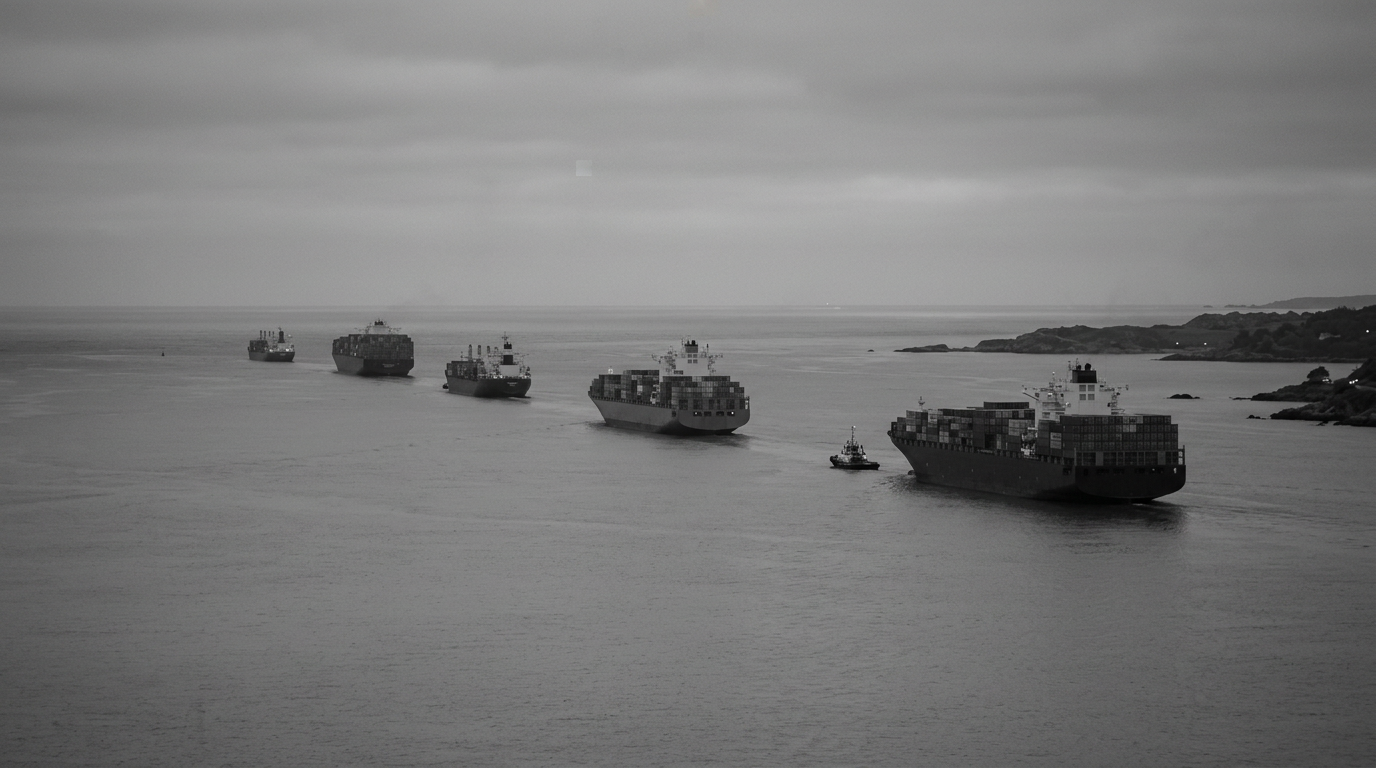
European Commission President Ursula von der Leyen called on the United States and Iran to pursue negotiations aimed at ending hostilities linked to the Strait of Hormuz, warning that disruption there can quickly spill into the global economy.
Speaking Tuesday in Canberra, she framed the situation as an immediate risk to energy markets and international shipping, and urged steps that would reduce the chance of further escalation.
What was said in Canberra
Von der Leyen made the remarks after signing a new free trade agreement, and later addressed Australia’s parliament. She said actions attributed to Iran—including strikes on commercial vessels and infrastructure—should stop at once.
She also appealed directly for a diplomatic track, arguing that a negotiated outcome is needed to calm tensions and protect key maritime routes used by global trade.
Why the Strait of Hormuz matters to markets
The Strait of Hormuz is a major chokepoint for energy flows, with about 20% of the world’s oil supply moving through it. Von der Leyen said the current situation has already contributed to higher oil and gas prices internationally.
She compared the potential economic consequences to the energy shock that followed Russia’s 2022 invasion of Ukraine, pointing to how quickly supply fears can translate into price moves and broader inflation pressure.
Broader geopolitical context
In her parliamentary address, von der Leyen described today’s strategic environment as “brutal, harsh and unforgiving.” She argued that physical distance does not insulate countries from the effects of conflict, including through energy prices and supply-chain disruption.
Her message linked security and economics: instability around shipping lanes can affect fuel costs, transport insurance, and delivery schedules, with knock-on effects for households and businesses far from the Middle East.
Policy emphasis: diversification and resilience
Von der Leyen urged advanced democracies to strengthen energy independence and diversify supply to reduce exposure to future price spikes. She encouraged deeper cooperation between Australia and the European Union on these goals.
Details on specific measures, timelines, or joint projects were not provided in her remarks. It also remains unclear what immediate steps, if any, Washington and Tehran might take in response to her call for talks.