Trump’s Contested Campus Antisemitism Fight Is Accelerating Again - The New York Times
The Trump administration escalated its fight against campus antisemitism in early 2026, filing lawsuits against Harvard and UCLA.
Lauren Collins ·
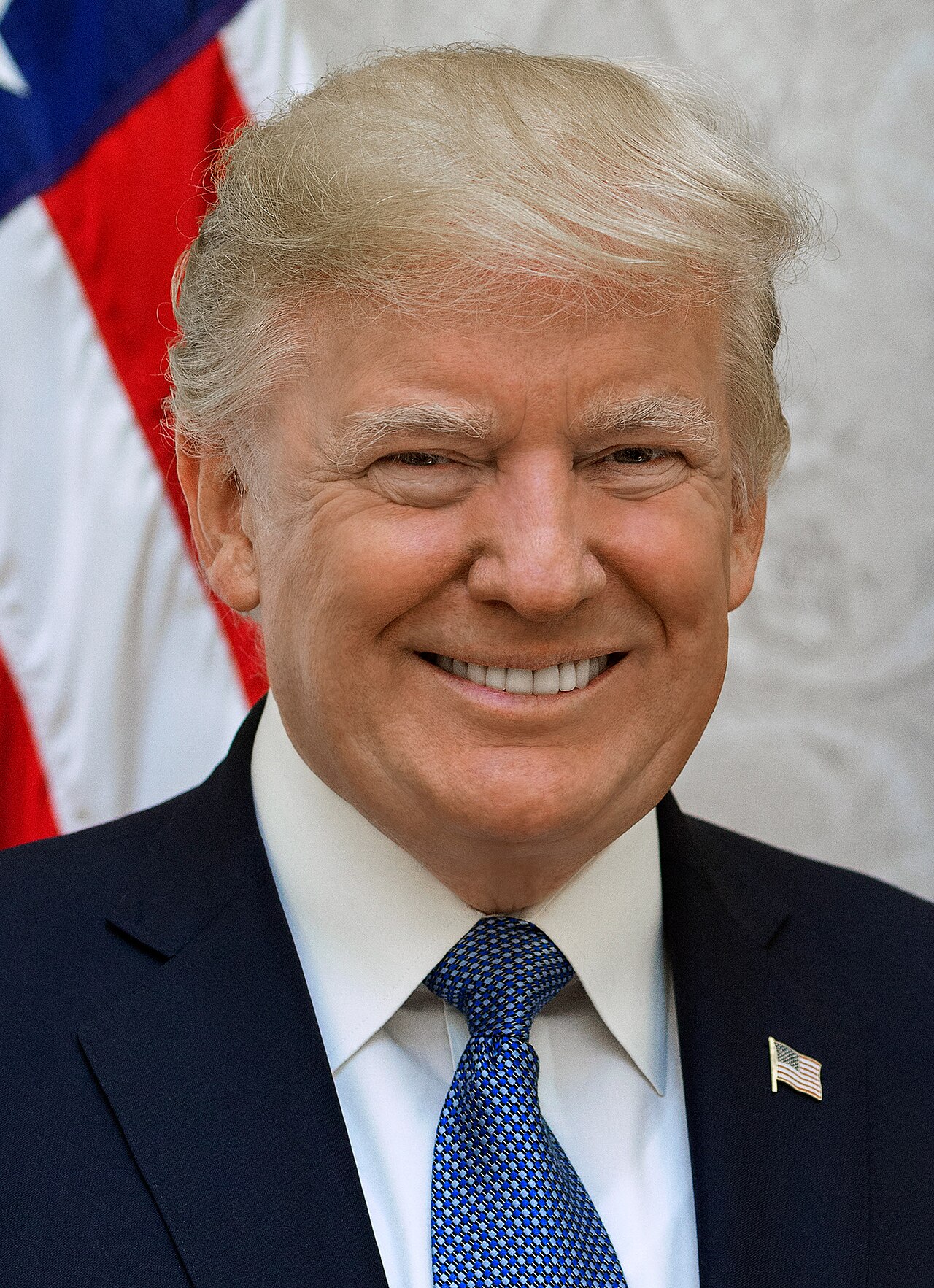
The Trump administration has intensified its campaign against alleged antisemitism at American universities, initiating legal actions and investigations against prominent institutions. These efforts, unfolding in early 2026, target universities such as Harvard and the University of California, Los Angeles (UCLA), signaling a broader governmental push to address discrimination claims within academic settings.
On March 21, 2026, the Department of Justice filed a lawsuit against Harvard University, alleging the institution facilitated antisemitic behavior. This legal challenge follows a similar action taken in February 2026 against UCLA, where the administration sought financial compensation for Jewish and Israeli employees who reported grievances.
Governmental Scrutiny Expands
Beyond these lawsuits, federal agencies are actively gathering information from other universities. The Equal Employment Opportunity Commission (EEOC) has conducted surveys at Cornell University, focusing on experiences related to antisemitic or anti-Israeli demonstrations. Additionally, the EEOC has requested data concerning Jewish employees at the University of Pennsylvania, indicating a widening scope of inquiry.
These governmental interventions utilize various mechanisms, including legal challenges, formal investigations, and the potential leveraging of research funding. The administration asserts that these measures are essential to rectify past discriminatory actions and prevent future occurrences, with tools such as threats to tax-exempt status and the possibility of criminal investigations being considered.
Political and Academic Reactions
The administration's approach has generated considerable discussion. Critics contend that these actions represent an attempt to impose specific ideological viewpoints or to target political opponents under the guise of combating discrimination. Conversely, some Jewish students and faculty members view these governmental efforts as the fulfillment of commitments to safeguard their interests.
This renewed focus on campus antisemitism reflects a broader political discourse surrounding free speech, academic freedom, and discrimination on university campuses. The administration's actions are part of a continuing effort to shape the environment within higher education institutions, particularly concerning issues of identity and protected characteristics.
Broader Implications for Higher Education
The implications of these federal interventions extend beyond the immediate legal cases. Universities may face increased pressure to review and revise their policies regarding student conduct, protest guidelines, and diversity initiatives. The use of federal funding and tax-exempt status as leverage could compel institutions to align more closely with the administration's directives on these matters.
This situation highlights the ongoing tension between governmental oversight and institutional autonomy in higher education. The outcomes of these lawsuits and investigations could establish precedents for how future administrations address discrimination claims and exert influence over academic environments across the United States.
Implications
Country Impact: The intensified federal scrutiny could lead to a re-evaluation of free speech and anti-discrimination policies across U.S. universities, potentially altering campus environments and academic freedoms nationwide. It may also deepen political divisions regarding the role of government in higher education.
Industry Impact: Higher education institutions face increased legal and regulatory risks, potentially leading to significant financial and reputational costs. Universities may need to allocate more resources to compliance, legal defense, and policy reviews, impacting operational budgets and strategic planning.
Market Impact: While direct market impact is limited, the broader political climate surrounding these actions could influence investment in educational technology or related sectors. Public perception of university governance and academic freedom might also shift, indirectly affecting endowments and philanthropic contributions.