Middle East crisis live: Trump gives Iran 48-hour ultimatum to open strait of Hormuz; 100 injured in Israel
Iranian missile strikes on March 22, 2026, injured over 100 in southern Israel, damaging residential areas and escalating regional tensions.
Lauren Collins ·
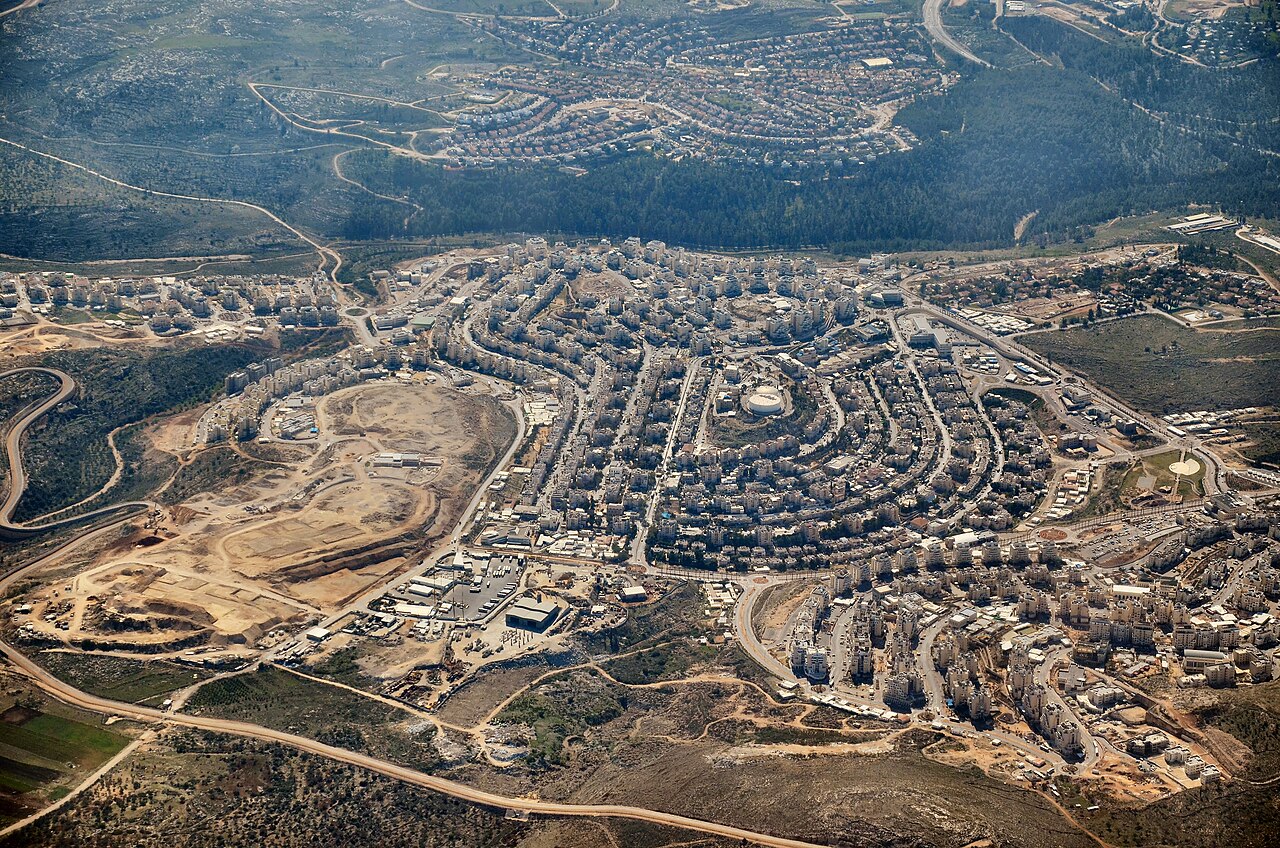
Missile attacks attributed to Iran on Saturday, March 22, 2026, resulted in over 100 injuries across the southern Israeli towns of Arad and Dimona. The projectiles caused damage to residential structures, with emergency services responding to the affected sites to assist casualties and assess the destruction. This incident represents a direct military action impacting civilian areas within Israel.
The strikes reportedly bypassed Israeli air defense systems, allowing the missiles to reach populated zones. Rescue teams were observed working through debris in the aftermath of the attacks. The event has immediate humanitarian consequences and necessitates damage evaluation.
Escalation of Regional Tensions
This direct engagement underscores a significant escalation in regional tensions, demonstrating Iran's capability to target Israeli territory. The incident highlights the ongoing volatility in the Middle East, where geopolitical rivalries frequently manifest in military confrontations.
Impact on Civilian Infrastructure
The damage to residential buildings in Arad and Dimona indicates a direct impact on civilian infrastructure. Such attacks raise concerns about the protection of non-combatants and the effectiveness of existing defense mechanisms in preventing harm to urban centers.
Defense System Performance Under Scrutiny
The reported failure of Israeli air defense systems to intercept the incoming missiles has drawn scrutiny. This aspect of the incident is critical for understanding the immediate security implications and potential adjustments to defense strategies in the region. The ability to neutralize aerial threats is paramount for national security.
Geopolitical Implications
Beyond the immediate casualties and damage, the strikes carry significant geopolitical implications. They signal a potential shift in the nature of the conflict, moving towards more direct and impactful military exchanges between regional adversaries. International observers are likely to monitor responses from both sides closely.
Humanitarian Response and Recovery
In the immediate aftermath, the focus remains on humanitarian response and recovery efforts. Providing medical aid to the injured and addressing the needs of those displaced by property damage are primary concerns. The long-term recovery process for the affected communities will also be a critical challenge.
Historical Context of Regional Conflict
The broader context of this event includes a long history of conflict and proxy engagements between Iran and Israel. While direct military confrontations have been less common, this incident could mark a new phase. Previous tensions have often involved cyberattacks, covert operations, and support for various non-state actors in the region. The current situation suggests a more overt display of military force, potentially altering the strategic calculus for all parties involved.
The international community has consistently called for de-escalation to prevent a wider regional conflict, a call that gains renewed urgency following these missile strikes.
Implications
Country Impact: Israel faces immediate security challenges and potential adjustments to its air defense strategies. Iran's actions could lead to retaliatory measures, further destabilizing the region.
Industry Impact: The defense industry may see increased demand for advanced missile defense systems. Reconstruction efforts in affected areas could stimulate the construction sector.
Market Impact: Global energy markets could experience volatility due to heightened Middle East tensions. Defense sector stocks might see upward movement, while broader market sentiment could turn cautious.