Trump says he will order federal immigration officers to help with airport security unless Democrats end shutdown
President Trump threatens to deploy ICE officers to airports starting Monday unless Democrats approve DHS funding, amid a partial government shutdown.
Lauren Collins ·
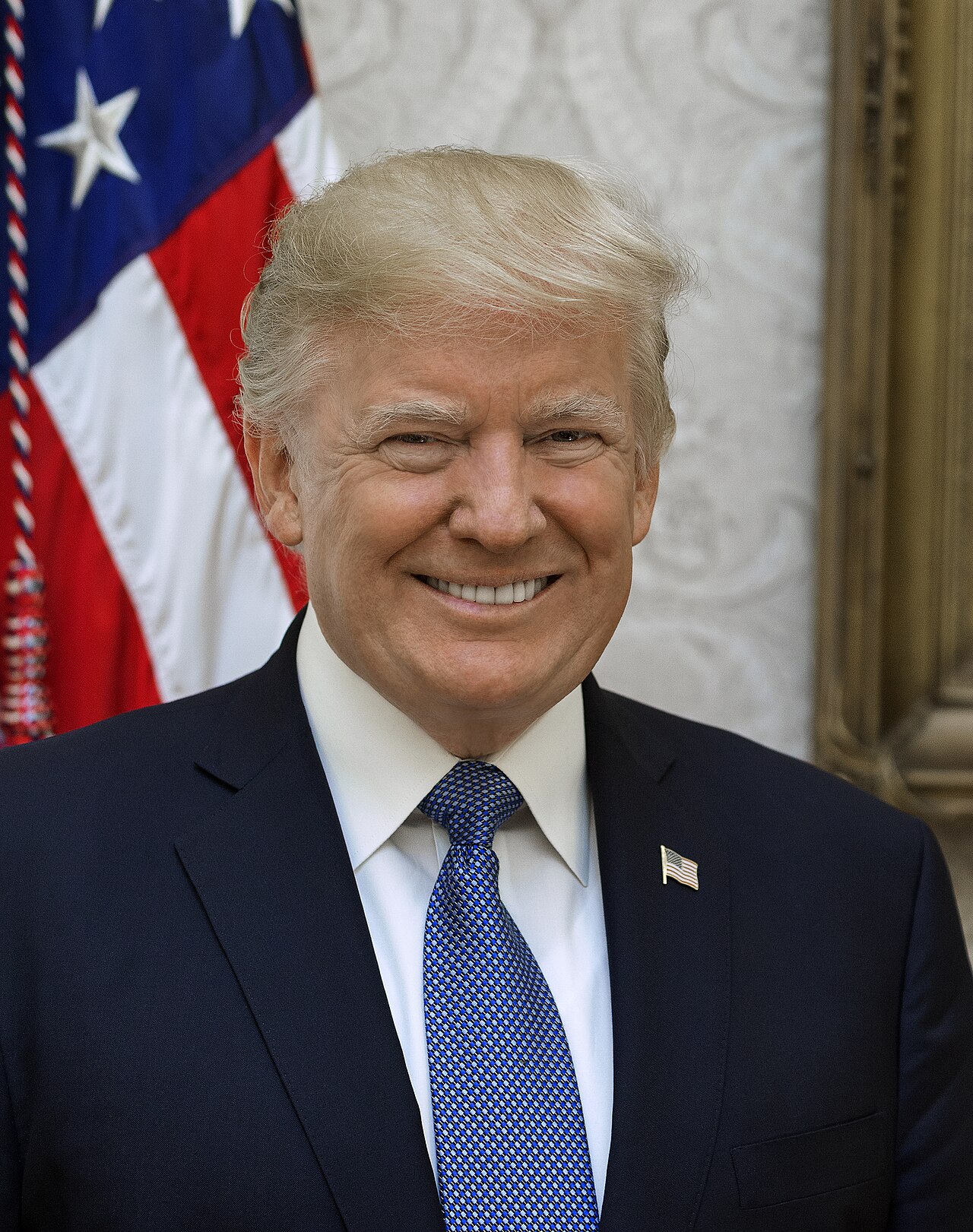
S. airports starting Monday. This action is contingent on Democrats approving funding for the Department of Homeland Security (DHS), which is currently affected by a partial government shutdown. S. Immigration and Customs Enforcement (ICE) agents would be tasked with apprehending undocumented individuals, specifically mentioning those from Somalia.
This directive comes as several major U.S. airports experience longer security wait times. Staffing shortages within the Transportation Security Administration (TSA) are contributing to these delays, as many employees are working without pay due to the ongoing shutdown. The President's move aims to escalate immigration enforcement, a central issue in the current legislative impasse.
Congressional Funding Dispute
The partial government shutdown began on February 14, impacting various federal agencies, including DHS. Democrats have linked their approval of DHS funding to demands for reforms in federal law enforcement practices. These proposed reforms include clearer identification protocols, a new code of conduct for agents, and an increased reliance on judicial warrants for enforcement actions.
Recent events, including an immigration enforcement incident in Minnesota, have fueled these demands for reform. The Senate recently rejected a Democratic proposal to specifically fund TSA workers, highlighting the deep divisions in Congress over the budget.
Impact on Airport Operations
The ongoing shutdown has led to significant operational challenges for the TSA. Employees working without pay have resulted in increased absenteeism, with at least 376 resignations recorded since the shutdown commenced. This has directly contributed to the extended wait times observed at airport security checkpoints nationwide.
Senate Majority Leader John Thune has underscored the critical need for a swift resolution to the funding dispute. Escalating airport disruptions are exerting pressure on lawmakers to reach an agreement. Despite the public threats, reports suggest that bipartisan discussions between the White House and congressional leaders are making some progress toward ending the shutdown.
Political and Economic Implications
The President's threat to deploy ICE agents to airports introduces a new dimension to the shutdown negotiations. It signals a hardening stance on immigration enforcement, a key policy area for the administration. Such a deployment could further politicize airport security operations and potentially exacerbate tensions between federal agencies and local communities.
The economic impact of prolonged airport delays and federal worker furloughs continues to mount. Businesses reliant on air travel and federal services face uncertainty, while the morale of unpaid federal employees remains a significant concern. The outcome of the ongoing negotiations will determine the immediate future of DHS funding and the operational status of critical government functions.
Outlook for Resolution
While bipartisan talks are reportedly underway, the specific demands from both sides remain significant hurdles. Democrats are pushing for policy changes alongside funding, while the administration prioritizes border security measures. The potential deployment of ICE at airports adds urgency to these discussions, as it could lead to further public and operational challenges.
Observers are closely watching for any breakthroughs in negotiations that could lead to a comprehensive funding bill. The resolution of the shutdown will likely involve compromises on both immigration policy and federal spending, with implications for various sectors of the U.S. economy and government operations.
Implications
Country Impact: The U.S. faces continued government operational disruptions and potential escalation of immigration enforcement. Public services, particularly airport security, are under strain, impacting daily life and economic activity.
Industry Impact: The aviation industry, including airlines and airport operators, is directly affected by security delays and staffing shortages. Businesses reliant on federal services or air travel face increased uncertainty and potential financial losses.
Market Impact: Financial markets may react to the uncertainty surrounding the government shutdown and its economic impact. Prolonged disruptions could lead to investor caution, particularly in sectors sensitive to consumer spending and travel.