Russian Drone Strike Damages Lviv UNESCO Site
Russia drone strike hit central Lviv on March 24, damaging buildings near a UNESCO-listed area and seriously injuring two, officials said.
Lauren Collins ·
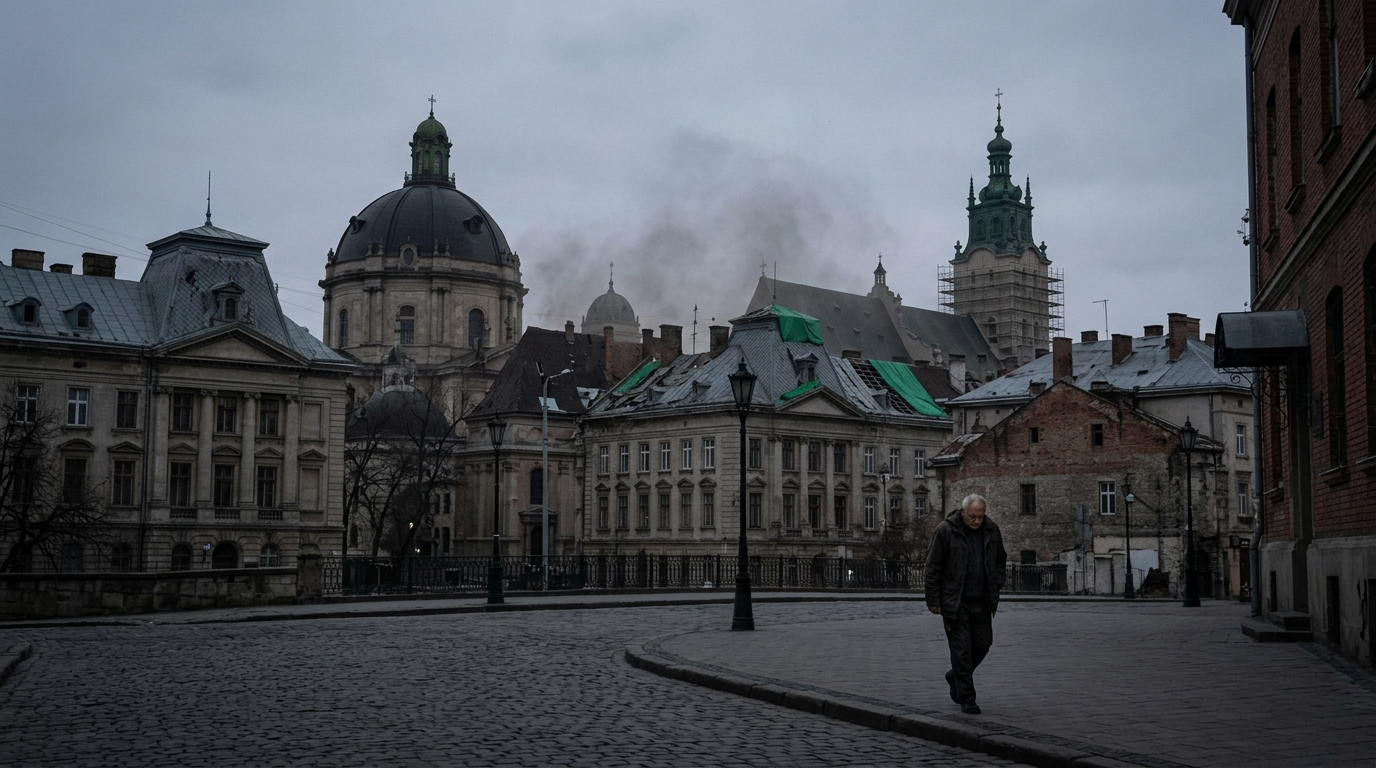
A Russian drone attack struck central Lviv on March 24, damaging a residential building near the Bernardine monastery complex, part of a UNESCO World Heritage-listed area in Ukraine.
Ukrainian officials said the strike caused extensive damage and left two people seriously injured. The incident added to concerns about repeated attacks affecting civilian areas and cultural heritage locations.
What happened in Lviv
The impact was reported in Lviv’s historic center, close to the Bernardine monastery complex. The site is within a UNESCO World Heritage designation, making damage in the vicinity particularly sensitive for heritage protection.
Ukraine’s Foreign Minister Andrii Sybiha condemned the strike and urged UNESCO’s Director-General to respond strongly. No further details were provided in the source on the type of drone used or the scale of the wider attack.
Broader pattern and civilian toll
The Lviv incident was described as part of a wider escalation in attacks on civilian targets and cultural sites across Ukraine. United Nations data cited in the source said 2025 became the deadliest period for Ukrainian civilians since the early months of the full-scale invasion.
That UN data indicated civilian deaths in 2025 rose by 31% compared with the prior year. The source attributed the increase to expanded domestic drone production in Russia, enabling larger aerial strikes that can overwhelm Ukrainian air defenses.
Energy infrastructure and pressure tactics
The source also pointed to a major winter campaign targeting heating and power facilities, framing it as part of a strategy to increase pressure on Ukraine by hitting civilian infrastructure. Such attacks can disrupt daily life and raise economic costs even far from front lines.
At the same time, the source said Russia’s battlefield advances have been limited. It added that Ukraine liberated more territory than Russia occupied in February 2026, though it did not provide figures or locations.
Market and political relevance
Strikes near UNESCO-listed areas elevate diplomatic stakes by drawing international institutions into the conflict’s cultural dimension. They also reinforce the risk that urban centers and critical infrastructure remain exposed to aerial attacks, which can affect reconstruction planning and insurance assumptions.
Key uncertainties remain: the source does not specify the extent of structural damage beyond “extensive,” whether additional drones were involved, or what concrete steps UNESCO may take in response. The source stated Russia shows no sign of de-escalation, implying continued pressure on civilian areas as a tactic, but future operational decisions and their scale are not confirmed.