Hormuz Strait Closure Threatens Global Food Supply
Hormuz closure risks disrupting fertilizer shipments, raising food costs over coming planting cycles and increasing vulnerability for import-dependent regions.
Lauren Collins ·
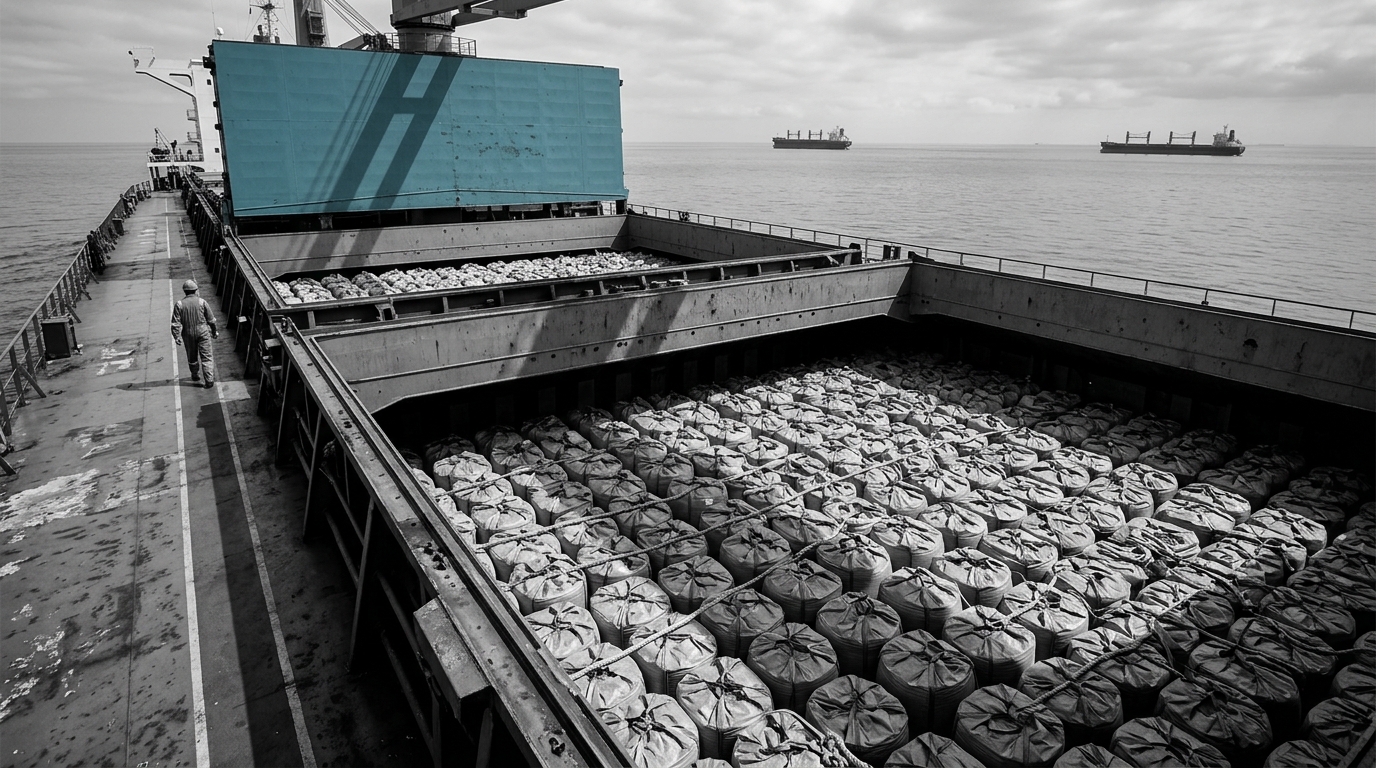
A disruption at the Strait of Hormuz is raising concerns about fertilizer availability and, by extension, global food costs. The issue centers on Iran’s closure of the waterway, described as beginning at the start of the war, and the knock-on effects for agricultural inputs that move through the Gulf.
Jean-Marie Paugam, Deputy Director General of the World Trade Organization, said roughly one-third of global fertilizer shipments typically pass through the strait. If those flows are constrained for an extended period, the risk is not only higher input prices but also lower crop yields as farmers adjust application rates or face delays.
Why fertilizer logistics matter now
Fertilizer markets are tightly linked to energy, especially natural gas, which is a key feedstock for many synthetic fertilizers. The Gulf region has significant natural gas resources, but the conflict is described as sharply limiting production, with several facilities reportedly halting operations.
The timing is critical because fertilizer demand is seasonal and tied to planting windows. The source material notes that there is no immediate shortage, but warns that a prolonged conflict could hit supplies as planting begins for crops intended for next year’s harvest.
Who is exposed
Major food-exporting countries are highlighted as reliant on urea, a nitrogen-based fertilizer, including India, Thailand, and Brazil. Any sustained disruption in urea availability or pricing can affect production costs and output volumes, with potential spillovers into global trade in staples and processed foods.
Import-dependent regions are flagged as particularly vulnerable, notably parts of West and North Africa. For these economies, higher global food prices can translate into wider trade deficits and increased pressure on household budgets, especially where food makes up a large share of consumer spending.
Market and policy implications
Fertilizer constraints can transmit into broader inflation dynamics because food is a core component of consumer price baskets worldwide. The source material also points to a behavioral risk: if governments or firms begin stockpiling—similar to patterns seen during the COVID-19 pandemic—supply chains could tighten further and prices could rise faster.
Key uncertainties remain. The duration of the conflict, the extent of the operational shutdowns, and the ability to reroute shipments are not specified in the source material, making the scale and timing of impacts difficult to quantify.