Fungi-Enhanced Diapers Tackle Global Waste Problem
Hiro Technologies introduces fungi-enhanced diapers to accelerate decomposition, addressing the global challenge of disposable diaper waste.
Jason Kwon ·
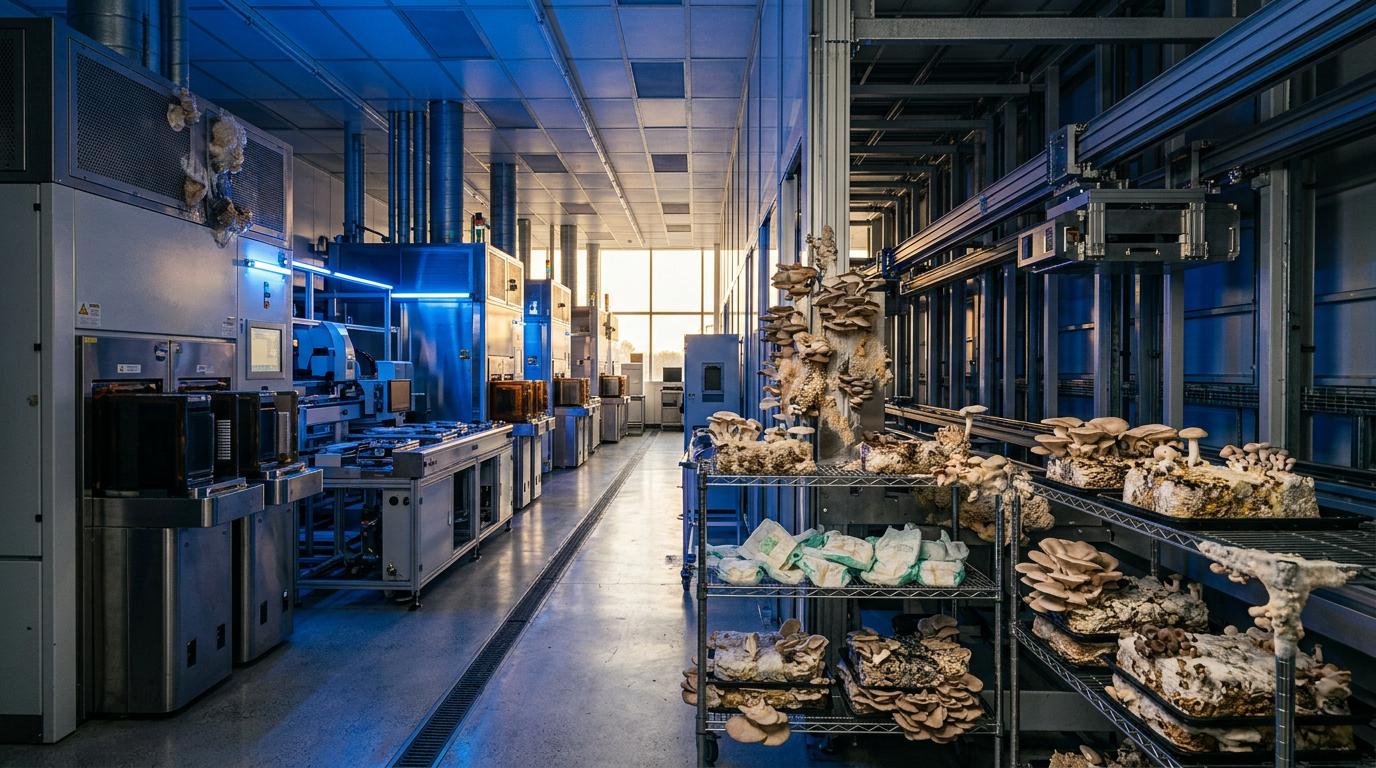
A Texas-based company, Hiro Technologies, has launched a new disposable diaper product designed to accelerate decomposition through the use of fungi. This innovation aims to mitigate the substantial environmental impact of conventional disposable diapers, which are a major contributor to global landfill waste.
The unbleached diapers are sold with a sachet containing specialized fungi. Users are instructed to add this sachet to the used diaper before disposal, initiating a biological process that speeds up the breakdown of the diaper's materials. This method offers a novel approach to managing the vast quantities of diaper waste generated daily.
### Addressing Diaper Waste Challenges
Traditional disposable diapers pose a significant environmental challenge, with an estimated 300,000 units discarded into landfills or incinerated every minute worldwide. This volume contributes to long-term waste accumulation and associated environmental concerns. Hiro Technologies' fungi-enhanced product seeks to provide a more sustainable alternative to these conventional options.
Despite the introduction of such innovations, the broader market for sustainable diaper solutions faces several hurdles. According to Sonali Jagadev, a Senior Research Analyst at Euromonitor, the high production costs associated with bio-based polymers, bamboo fibers, and organic cotton present a significant barrier. Furthermore, the supply chains for these eco-friendly materials are often underdeveloped, limiting their widespread availability and affordability.
### Market Dynamics and Consumer Behavior
Another critical challenge is the limited industrial composting infrastructure required for many biodegradable diaper products. Even when designed for biodegradability, these items frequently end up in landfills due to a lack of appropriate processing facilities, negating their environmental benefits. Consumer preferences also play a role, with performance, hygiene, and convenience often prioritized over sustainability when purchasing diapers.
Other companies are also developing solutions for diaper waste. Woosh, a startup based in Belgium, is concentrating on single-material diapers to facilitate easier recycling processes. This company also operates a collection and recycling service specifically for daycare centers, creating a closed-loop system for institutional users.
### Recycling Initiatives and Future Outlook
In the United Kingdom, the brand Pura has established a significant recycling program. Through a curbside collection and processing plant in Wales, Pura recycles approximately 60 million disposable diapers annually. These collected materials are then repurposed for various applications, including road surfacing, demonstrating a circular economy approach to diaper waste management.
The emergence of fungi-enhanced diapers and other recycling initiatives highlights a growing effort within the industry to address the environmental footprint of disposable hygiene products. However, overcoming cost barriers, developing robust supply chains, and expanding recycling infrastructure remain crucial steps for broader adoption of sustainable diaper solutions globally.
Implications
Country Impact: The adoption of such technologies could reduce landfill burden in countries with high disposable diaper usage, potentially lowering waste management costs and environmental pollution. However, the lack of industrial composting infrastructure in many regions could limit immediate impact.
Industry Impact: The hygiene product industry faces increasing pressure for sustainable solutions. Innovations like fungi-enhanced diapers could drive further research into bio-decomposition and circular economy models, potentially shifting market dynamics towards more eco-friendly materials and processes.
Market Impact: The market for sustainable diapers, while growing, faces challenges from high production costs and consumer preferences for traditional products. Success will depend on reducing costs, improving supply chains, and educating consumers on the benefits, potentially creating new market segments for specialized waste solutions.