

Urban migration shifts toward Anatolian industrial hubs
Rising living costs and industrial labor demands are prompting a strategic shift toward decentralizing populations from major Turkish metropolises.
Reassessing urban density
The extreme concentration of residents in major urban centers, coupled with escalating expenses, has forced a critical re-evaluation of national settlement policies. Promoting industrial distribution and encouraging a return to smaller provinces are now viewed as essential for both urban sustainability and balanced regional growth.
Historically, the post-Industrial Revolution era triggered unplanned migration from rural areas to cities, creating long-term housing and infrastructure challenges in hubs like Istanbul. While earlier civilizations, including Roman and Ottoman administrations, utilized structured settlement frameworks, the modern era has largely been defined by rapid, often unmanaged, expansion.
Industrial labor requirements
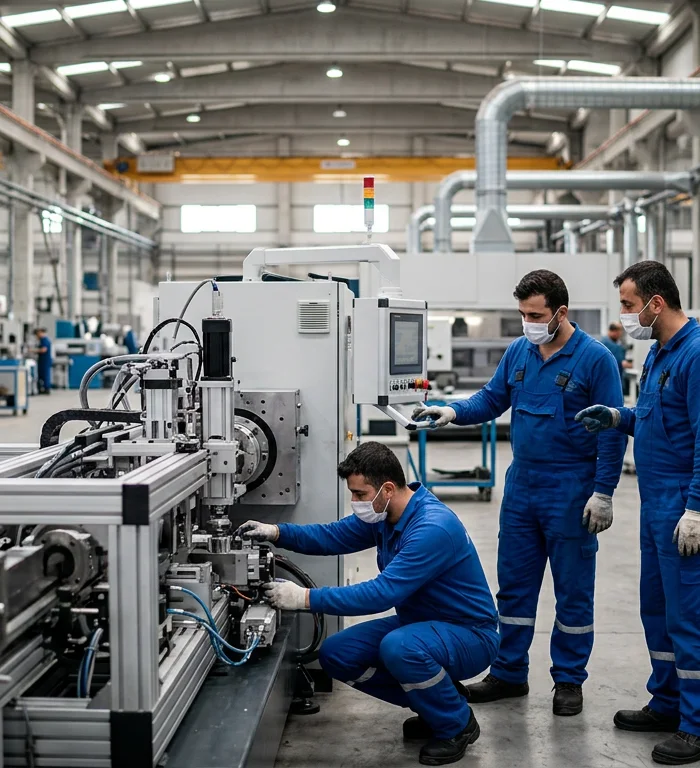
As the quality of life in overcrowded cities diminishes, regional centers are increasingly shedding their status as underdeveloped zones. Business leaders, including representatives from the Aslanları Businessmen Association, have highlighted significant difficulties in securing adequate labor for manufacturing facilities. This labor shortage underscores a growing necessity to align employment opportunities with residential incentives outside the primary metropolitan cores.
Observers often point to the post-war German model as a potential blueprint for this transition. That framework successfully integrated industrial production into smaller towns while maintaining vibrant, sustainable rural communities. Implementing a similar logistical and demographic strategy in Turkey could alleviate the immense pressure on major cities, serving as a vital step for long-term national development.
Strategic outlook and risks
While the potential for a successful migration shift exists, the transition faces inherent uncertainties regarding infrastructure readiness and social adaptation. Proponents argue that shifting the demographic balance could revitalize local economies and provide more affordable living conditions for younger generations and retirees alike. However, the success of such a strategy depends heavily on the ability to replicate essential services and economic opportunities in less populated regions.
More stories
- Global stocks fall 0.4% as tariffs and US inflation loom
- Trump prepares tariffs on China and other major exporters
- Banks face ECB reserve debate over liquidity and profits
- Investors see Anthropic debut gains fade below $83 a share
- Iraq orders federal control over Kurdish-area oilfields
- Nvidia shares retreat as AI rally cools before PCE data
- The week ahead for the markets
- The week ahead for the markets
- Jackson Hole 2026 Confronts a New Monetary Order
- Nvidia earnings options imply $280 billion value swing ahead