Brazil Bans Fixed-Odds Sports Betting in Nationwide Crackdown
Brazil has implemented an immediate, nationwide ban on fixed-odds sports betting via executive order, halting operations and advertising.
Atlas Newsdesk ·
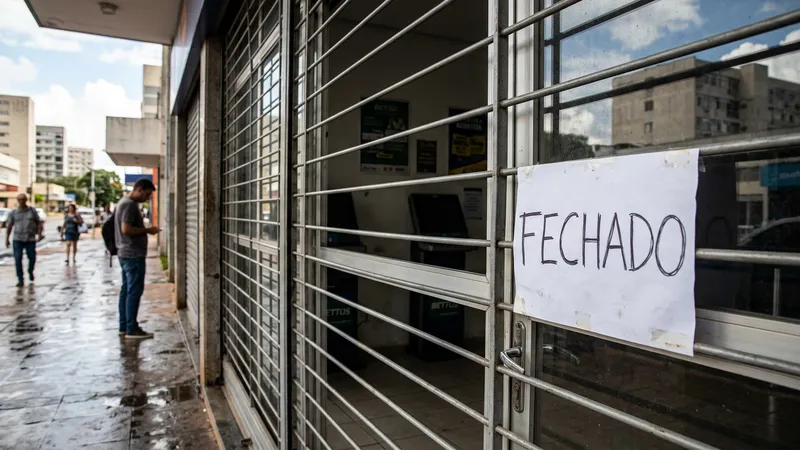
Brazil has enacted an immediate, nationwide prohibition on fixed-odds sports betting. This directive, issued through a provisional executive order, mandates that all associated operations, advertising, and intermediary services must cease without delay. New deposits into betting accounts are now forbidden across the country.
Individuals who have funds on these platforms are required to withdraw their remaining balances by October 5. While the ban is effective immediately, its permanent status is contingent upon approval from the Brazilian Congress within a 120-day timeframe.
Regulatory Framework and Operational Changes
This measure targets an industry that previously generated over $4 billion in annual revenue. The executive order aligns with prior governmental efforts aimed at regulating and taxing the sports betting sector. In parallel with the ban, new legislation has been introduced to criminalize the promotion of unauthorized betting activities.
The new regulations also impose penalties for the misuse of personal data when used for solicitation purposes within the betting sector. This dual approach emphasizes both immediate cessation and long-term legal frameworks.
Economic and Political Implications
The decision has drawn criticism from political opposition, who view it as a strategic move ahead of the upcoming presidential election. This prohibition creates considerable fiscal uncertainty for major sports organizations and media companies, many of which hold significant sponsorship agreements with betting firms.
Analysts suggest that a primary objective behind this measure is to decrease household debt and address growing public health concerns related to widespread gambling addiction. The ban's impact on these areas will be closely monitored as the congressional review period proceeds.