Washington weighs reported Iranian seven-day plan to reopen Hormuz
A report that Iran sent Washington a seven-day Strait of Hormuz reopening plan gives U.S.
Lauren Collins ·
Washington weighs reported Iranian seven-day plan to reopen Hormuz
Washington faced a new test on September 25 after a regional media report said Iran submitted a plan to the United States to reopen the Strait of Hormuz within seven days. The report said Iranian Foreign Minister Abbas Araghchi tied the proposal to a June memorandum of understanding between the two countries and said implementation would depend on conditions being met.
For U.S. officials, the immediate issue is less the calendar than the verification burden. A seven-day reopening timetable would require Washington to decide quickly whether Tehran is offering a workable off-ramp in a maritime standoff or using a narrow proposal to press for concessions in a broader confrontation.
A seven-day offer tests Washington
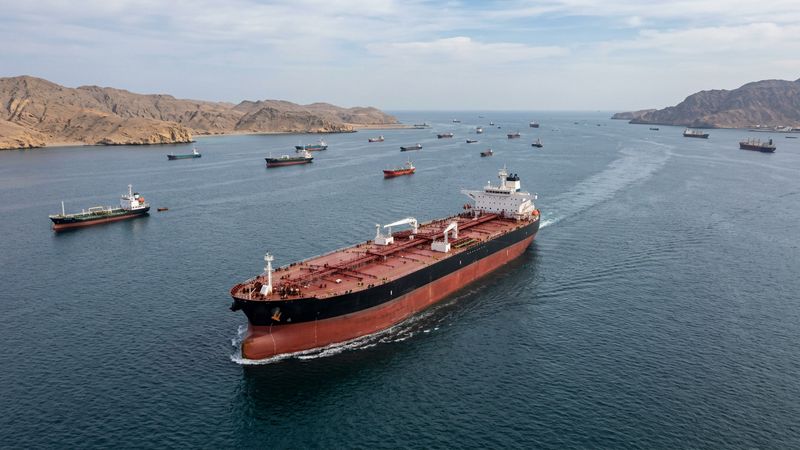
The Strait of Hormuz is one of the world’s most sensitive maritime corridors because it links Gulf energy exporters to global shipping routes. Any disruption there forces the White House, State Department, Pentagon and Gulf partners to weigh diplomacy, naval risk and energy-market exposure at the same time.
The reported Iranian plan matters in Washington because it appears to put a concrete timetable on a dispute that otherwise can drift into military signaling. Seven days is short enough to create political pressure for an answer, but long enough for both sides to dispute whether promised steps were actually carried out.
The June memorandum of understanding is the hinge in the report, but the available account does not set out its full terms. That leaves three central gaps for policymakers: what Iran must do first, what the United States would do in return and who would verify compliance on the water.
In U.S. policymaking terms, those gaps pull different agencies in different directions. The White House National Security Council would likely focus on sequencing and alliance management; the State Department on diplomatic wording and sanctions implications; the Pentagon on whether any de-escalation reduces or merely relocates maritime risk.
Congress would add a separate constraint. Lawmakers skeptical of Iran policy could press the administration to reject any arrangement that appears to trade sanctions flexibility for promises without visible enforcement, while supporters of diplomacy would argue that a monitored reopening is preferable to a military escalation around a shipping chokepoint.
The June MoU remains the hinge
Araghchi’s reported reference to conditions is central because it gives Tehran room to say the plan is not a unilateral concession. It also gives Washington room to say any U.S. response depends on measurable steps rather than Iranian intent.
That distinction matters in a crisis around Hormuz. A diplomatic understanding may reduce tension if it creates a shared script for naval behavior, communications and sequencing; it may deepen tension if each side uses the same document to claim the other has failed first.
The operational questions are unusually concrete. A reopening plan would need to address whether shipping lanes are clear, whether naval forces alter patrol patterns, whether commercial vessels receive escorts and how any incident involving proxies, mines, drones or inspections would be handled.
None of those details appeared in the reported summary. Without them, U.S. officials would have to treat the plan as a political signal first and an operational plan only after military and diplomatic channels test its terms.
Gulf governments would also have a say in Washington’s response, even if they are not the named parties in the report. The United States would need their ports, maritime awareness, air defense cooperation and political buy-in if any phased reopening depends on regional monitoring or allied naval coordination.
For Tehran, the benefit of a seven-day frame is that it can show initiative while keeping pressure on Washington to answer. For Washington, the risk is that a quick public response could expose divisions among agencies, allies and members of Congress before the proposal’s mechanics are known.
Sanctions and ships move together
The Hormuz file cannot be separated from sanctions policy. If Iran expects economic relief, even limited or reversible steps, U.S. officials would need to decide whether such relief is tied to maritime conduct alone or to wider issues such as nuclear talks, regional armed groups and detention or inspection disputes.
That sequencing problem is familiar in Iran diplomacy. Washington often seeks verifiable action before easing pressure, while Tehran often seeks proof that economic benefits will arrive before taking steps it regards as costly or politically exposed.
The Pentagon’s calculation is different but connected. If commanders judge that the reported plan lowers the immediate threat to shipping, they may support calibrated de-escalation; if they judge it leaves U.S. forces or commercial vessels exposed, they may argue for a visible allied posture while diplomats test the offer.
Markets would read the same signals through a narrower channel: whether vessels can move and whether insurance, routing and cargo decisions normalize. U.S. officials do not have to forecast prices to see the political sensitivity of Hormuz; fuel costs, Gulf security and inflation narratives all feed into domestic pressure when maritime risk rises.
December 24 is the test date
The forward call is falsifiable: by December 24, Washington will either have defined the Iranian plan as a conditional diplomatic track or treated it as too thin to alter U.S. posture. The observable signs will be public statements from the White House or State Department, visible allied consultations and any linkage between sanctions decisions and verified steps at sea.
If U.S. officials acknowledge a conditional pathway tied to concrete Iranian actions, the global effect would likely be a lower immediate risk premium around Gulf shipping, while Tehran would gain a channel to convert maritime de-escalation into diplomatic leverage. The wider shipping and energy sectors would then focus on verification, insurance terms and whether commercial traffic resumes under normal or escorted conditions.
If Washington instead rejects the reported plan or finds that Tehran uses the seven-day window to test red lines, the macro channel would run through renewed uncertainty around Gulf trade and energy supply expectations. Iran would face a higher risk of coordinated U.S. and allied pressure, while the broader maritime-security industry would prepare for more escorts, surveillance and contingency planning.
A third path is delay. If both sides keep the June MoU alive but avoid public commitments, the global effect would be muddier: neither full de-escalation nor open confrontation, with companies forced to price ambiguity into routing, contracts and insurance. The main open question is whether Tehran is prepared to attach the seven-day promise to actions Washington and Gulf partners can verify, not merely to language each side can reinterpret later.