John Bolton Pleads Guilty to Keeping Classified Secrets, Faces October Sentencing
The Bolton plea deal was finalized in federal court in Maryland, setting an Oct. 28 sentencing and requiring a $2.25 million fine and community service.
Lauren Collins ·
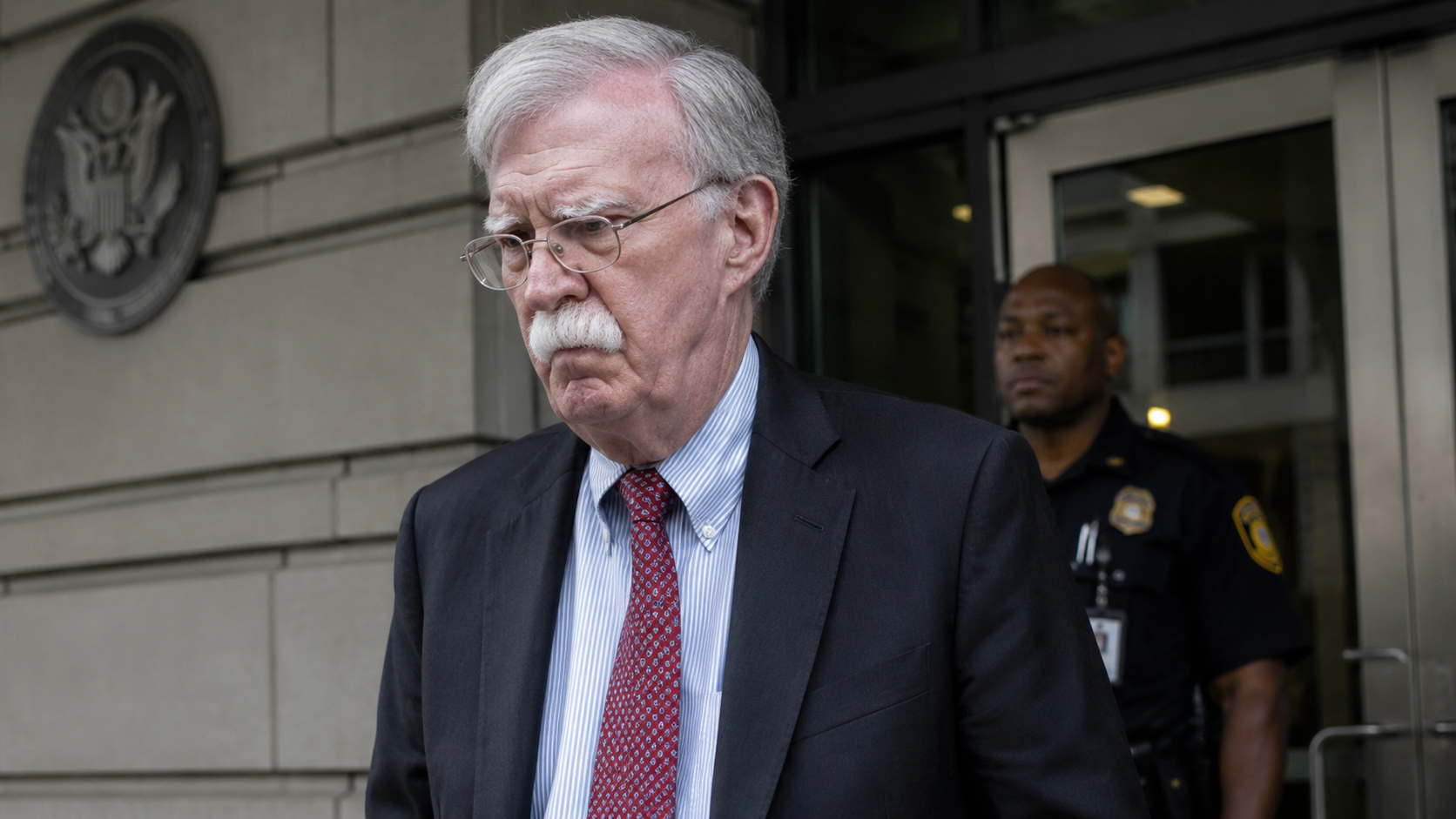
The Bolton plea deal moved forward Friday in federal court in Maryland, where the former Trump adviser admitted illegally keeping national-defense information and awaits sentencing.
John Bolton, 77, entered a guilty plea in a nearly hourlong hearing in Greenbelt, Md., answering “I am, your honor” when asked if he was pleading because he was guilty. He told the court he was “sorry for it.”
U.S. District Judge Theodore D. Chuang scheduled sentencing for Oct. 28. The case centers on Bolton’s handling of sensitive material while gathering notes for a memoir describing his time in President Donald Trump’s first-term White House.
Guilty plea, fine and potential prison exposure
Bolton agreed earlier this month to plead guilty to one count of unlawfully retaining national-defense information. The charge relates to the improper retention of classified material, a category of offense that can carry significant criminal penalties.
Under the agreement with prosecutors, Bolton must pay a $2.25 million fine. The plea arrangement also leaves him facing a maximum sentence of up to five years in prison at the upcoming hearing, though the deal allows for the possibility of a much shorter term or no incarceration.
Judge Chuang’s scheduling order sets the next major milestone in the case and begins a period in which the court will weigh sentencing factors. Those typically include the nature of the offense, acceptance of responsibility, and any mitigating or aggravating circumstances presented by the parties.
Community service tied to classified-information compliance
Beyond the fine, the agreement requires Bolton to complete 100 hours of community service. The Justice Department will direct that service toward efforts connected to the improper handling or disclosure of classified information.
The community-service provision links the penalty to the broader compliance challenges that federal agencies and contractors face when safeguarding sensitive national-security material. Prosecutors and courts sometimes use such tailored requirements to reinforce the seriousness of classified-information protocols while also emphasizing prevention and remediation.
Bolton’s case arose from his note-collection process for a memoir that portrayed Trump and his administration in an unfavorable light, according to the case description presented alongside the plea. The unlawful-retention count focuses on the handling of the information itself rather than the book’s political content.
Case context and the wider political backdrop
The criminal proceedings have unfolded amid broader debate over how national-security laws are applied to prominent public figures. Bolton served as national security adviser to Trump during the president’s first term, a role that typically involves regular exposure to classified intelligence and defense planning.
When Bolton was originally charged last year, the prosecution was described as one of several cases brought during the Trump administration involving individuals the president viewed as political adversaries. Other referenced targets included New York Attorney General Letitia James and former FBI Director James Comey.
Bolton’s guilty plea now shifts the case from contested allegations to sentencing. The court’s Oct. 28 decision will determine whether the outcome is limited to financial penalties and supervised requirements or includes custody, and it will signal how judges weigh accountability when senior officials mishandle national-defense information.