Automakers Adjust EV Production Amid Market Shifts
Automakers are discontinuing and canceling several EV models and projects, signaling a strategic shift due to slower market adoption and policy changes.
Atlas Newsdesk ·
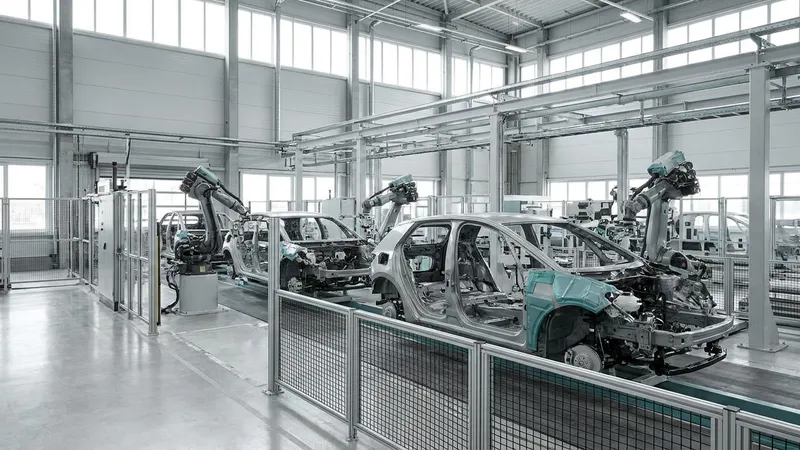
Multiple automotive manufacturers have discontinued or canceled several electric vehicle (EV) models. This adjustment reflects a re-evaluation of production strategies in response to evolving market conditions.
Discontinued models include the Acura ZDX, BMW iX, BMW i4, and Genesis Electrified G80. General Motors also ceased production of its BrightDrop electric commercial vans.
Canceled projects include three planned Honda/Acura EVs for U. S.
production, the Sony Honda Mobility Afeela 1, and a high-performance Dodge Charger variant. Dodge cited U.
S. tariff policies as a factor in postponing one Charger Daytona trim.
These decisions follow a period of slower-than-anticipated EV adoption rates in the United States. The elimination of a significant federal EV tax credit further impacted market dynamics.