Houthis Kill Three in Riyadh Airport Attack
Officials said the Thursday strike killed three people, including a pilot, at Saudi Arabia’s Riyadh airport.
Mateo Fernandez ·
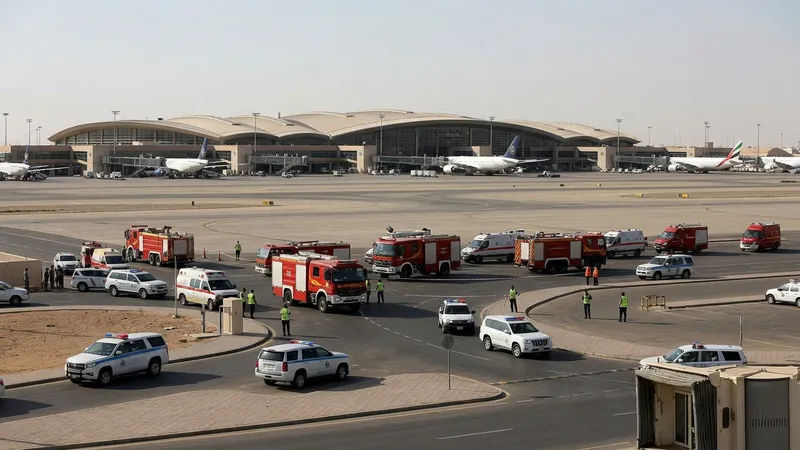
Houthi attacks on Riyadh’s international airport killed three people on Thursday, Saudi authorities said Friday, adding a direct aviation target to the conflict’s regional risk map. Officials said one of the dead was a pilot.
Reaction pending. The reported strike matters for geopolitics because Saudi airports sit inside a wider security corridor that links Gulf travel, energy infrastructure and military deterrence.
Riyadh airport deaths raise risk
The Houthis have used missiles and drones in previous attacks on Saudi territory, but the reported deaths at an international airport put civilian aviation back near the center of regional security calculations. Officials did not provide further details in the payload on the weapon used, damage to airport operations or the nationality of the victims.
The immediate company-level effect is clearest for airport operators and airlines serving Riyadh: if operations are disrupted or insurers reassess route risk, carriers may face delays, schedule changes or higher security costs. For the wider aviation sector, the mechanism is insurance pricing, rerouting and passenger demand if attacks appear repeatable rather than isolated.
For the global macro
picture, the channel is not the airport alone but escalation risk around Saudi Arabia, a major Gulf economy and energy producer.
If the incident remains contained, the macro effect is likely to run through risk premiums rather than physical supply. If follow-on attacks target energy or transport infrastructure, the pressure would move toward oil, freight and regional credit.
By October 10, 2026, the key test is whether Saudi authorities report airport operations as normal or announce new security restrictions.