CAF Poised to Restore AFCON's Two-Year Cycle
The Confederation of African Football (CAF) is reportedly planning to revert the Africa Cup of Nations (AFCON) to its traditional two-year cycle, reversing a…
Mehmet Şahinoğlu ·
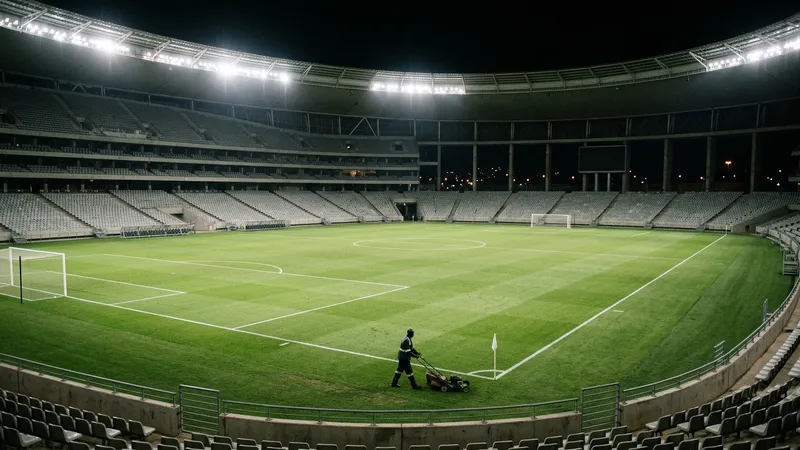
The Confederation of African Football (CAF) is reportedly preparing to reinstate the Africa Cup of Nations (AFCON) to its traditional two-year cycle, reversing a prior decision to hold the tournament every four years. This move would mark a return to the competition's long-standing schedule, a fixture in African football for decades.
Reinstating Tournament Frequency
CAF's reported intention to revert to a biennial schedule for AFCON follows a period where the tournament was slated to occur every four years. This change would align the flagship African football event with its historical frequency, last held on a two-year basis before the recent adjustment. The decision reflects ongoing considerations within the confederation regarding its premier competition's optimal timing and impact.
AFCON's Historical Cadence
The Confederation
The Africa Cup of Nations has predominantly operated on a two-year cycle since its 1957 inception. This consistent scheduling has regularly showcased African talent, significantly driving football development across the continent. The brief shift to a four-year interval aimed to reduce fixture congestion and align with other major international tournaments, though this strategy now appears under reconsideration. Implications for African Footballers A return to the two-year cycle would likely increase the frequency of high-stakes international competition for African national teams. This offers more opportunities for player development and exposure, potentially boosting African footballers' global profiles. However, it also raises questions about player fatigue and club-versus-country conflicts, particularly for those competing in European leagues.
Global Calendar Considerations CAF's decision carries implications for the global football CAF's decision carries implications for the global football calendar, already densely packed with domestic leagues, continental club competitions, and other international tournaments like the FIFA World Cup. A biennial AFCON could intensify discussions around player release periods and the coordination of major events to minimize disruption for clubs and national associations worldwide. The move underscores the unique challenges confederations face in balancing tradition, commercial interests, and player welfare. Outlook for Tournament Structure If CAF proceeds with the reversal, the primary open question remains the exact timing of the next tournament under the restored two-year cycle. This would influence planning for national federations, broadcasters, and host nations. A return to the more frequent schedule could enhance the tournament's commercial appeal and fan engagement by keeping it in the public consciousness more regularly, potentially increasing sponsorship and media rights values. Conversely, it might also necessitate more robust logistical and financial planning for host countries, which often face significant infrastructure demands.