

Israel Strikes Lebanon; Iran Issues Ceasefire Warning
Israel strikes Lebanon in its largest coordinated raids, with 89 dead and 722 injured; Iran warns it may exit a U.S.-linked ceasefire.
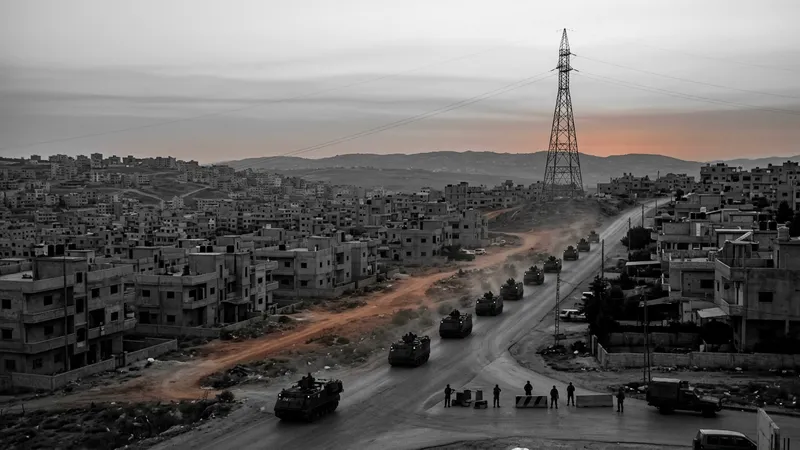
Israel carried out what officials described as its largest coordinated air operation against Hezbollah in Lebanon on Wednesday , hitting more than 100 Hezbollah military locations across the country, including several buildings in central Beirut. Lebanese Health Minister Rakan Nassereddine said the strikes killed at least 89 people and injured 722. Hospitals issued urgent appeals for blood donations as casualties mounted.
Israel’s Defense Minister said the campaign was a “surprise strike” aimed at the pro-Iranian group. Israel Katz said the goal was to “change the reality in Lebanon and remove threats from the residents of the north.” He also argued that the Lebanese and Iranian arenas should be treated as separate theaters.
The attacks came amid mixed messaging around a recently agreed ceasefire involving the United States. Pakistani mediators initially issued a statement suggesting a broader ceasefire, but Israel’s Prime Minister’s office later said the arrangement did not cover Lebanon. U.S. President Trump also described Lebanon as a “separate skirmish” outside the ceasefire agreement.
Iranian officials signaled that Israel’s actions in Lebanon could affect Tehran’s posture toward the ceasefire. Iranian sources told Tasnim news agency that Iran is prepared to exit the ceasefire if Israel continues operations in Lebanon. The warning underscored how developments on the Lebanon front are being linked by Iranian officials to wider regional understandings, even as Israeli officials said the tracks are distinct.
The latest strikes follow nearly five weeks of conflict in Lebanon. Officials said the fighting has displaced more than 1.1 million people and led to more than 1,530 deaths, with 4,812 injuries reported. The scale of displacement and casualties has increased pressure on Lebanon’s health system and emergency response capacity, as reflected in the calls for blood donations after Wednesday’s attacks.
For markets and policymakers, the immediate uncertainty centers on whether the ceasefire referenced by Iranian sources remains intact and how the parties define its scope. The public statements cited leave open key questions, including how long Israel’s current operation will continue and whether further actions in Lebanon will trigger a formal Iranian withdrawal from the ceasefire.
Officials on all sides framed the situation differently, highlighting the risk of misalignment in expectations even as diplomatic channels remain active.
More stories
- Saudi flights divert after Dammam airport targeted
- US said to threaten Ukraine weapons, intelligence aid
- Riyadh airport hit again as Trump weighs US role
- Houthis hit Riyadh airport after 12 killed
- Yemen Cabinet backs Houthi terrorist label after 12 deaths
- Washington weighs a harder bargain for Israel’s next defense aid pact
- U.S. to Discuss Iran Sanctions Relief After Ceasefire
- Saudi oil pipeline hit after Iran attack, flows at risk
- Epstein Documents Reveal Disturbing Model Agency Communications
- Houthi Missile Strike Escalates Red Sea Shipping Peril