Artemis II Crew Nears Moon Mission Milestone
Artemis II crew has completed over half of training for a late 2025 lunar flyby, testing Orion systems ahead of Artemis III.
Jason Kwon ·
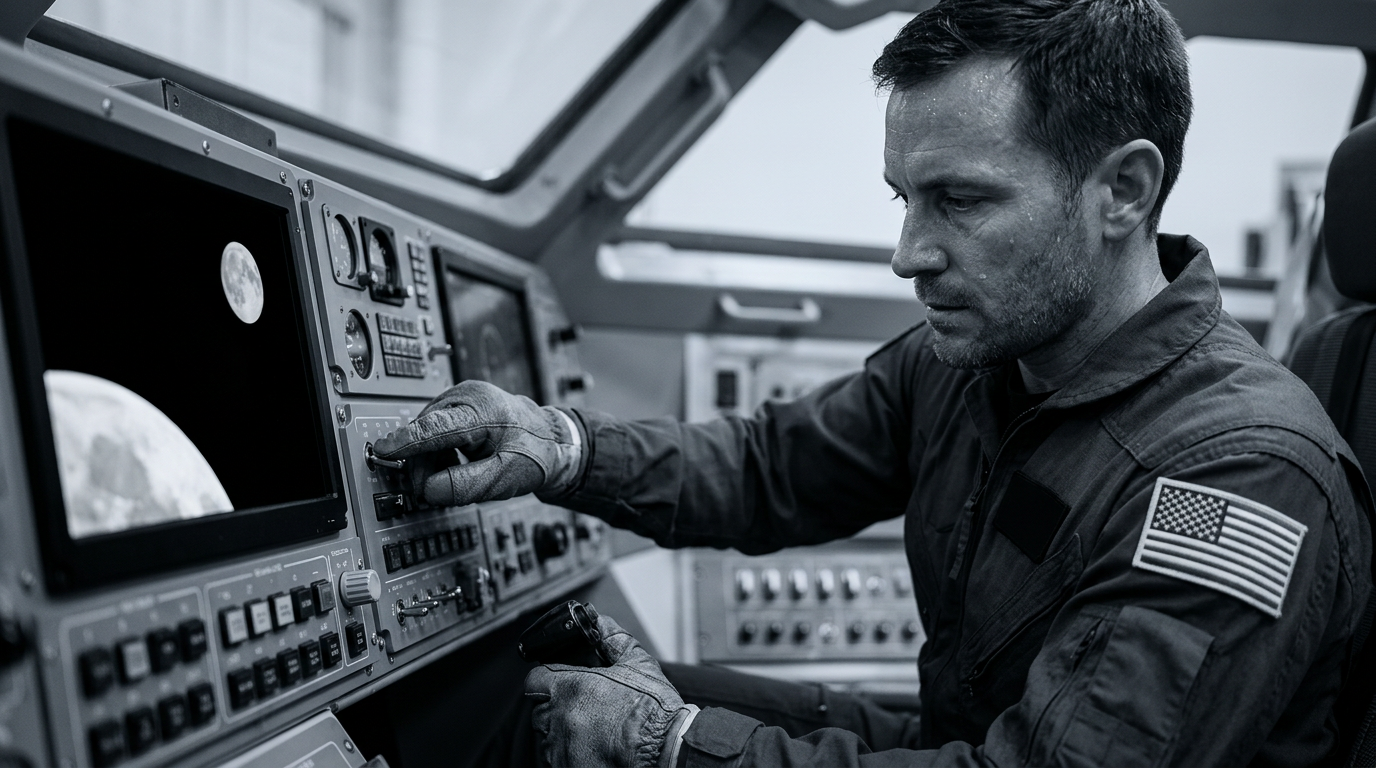
NASA’s Artemis II crew has moved past the midpoint of training for a lunar flyby mission scheduled for late 2025, according to mission details. The four-person team is preparing to travel around the Moon without landing, in a flight designed to confirm that key spacecraft systems perform as required with people onboard.
The crew includes NASA astronauts Reid Wiseman, Victor Glover, and Christina Koch, alongside Canadian Space Agency astronaut Jeremy Hansen. Their preparation has centered on operating the Orion spacecraft and responding to off-nominal situations, with training that includes simulations covering launch, orbital maneuvers, and re-entry procedures.
The program also emphasizes Orion’s systems knowledge and emergency protocols, reflecting the mission’s role as a high-stakes validation step before later flights.
Artemis II is positioned as a major milestone in human spaceflight because it is intended to bring humans back to the Moon’s vicinity for the first time in more than 50 years. The mission’s flight profile—circling the Moon and returning to Earth—aims to demonstrate operational readiness for deep-space travel, including the performance of life support systems during a crewed journey beyond low Earth orbit.
NASA’s stated purpose for Artemis II is to test Orion’s capabilities with a human crew before a planned lunar landing mission under Artemis III. By focusing on a flyby rather than a landing, Artemis II is designed to concentrate on spacecraft performance, crew operations, and safe return, while still exposing the vehicle and its systems to the demands of a lunar-distance mission.
What it means for the broader Artemis program is that Artemis II serves as a precursor within NASA’s effort to build a sustained human presence on the Moon and, over time, support eventual crewed missions to Mars. The mission is framed as a foundational step in that sequence, with its results expected to inform readiness for subsequent lunar operations.
Key uncertainties remain tied to the fact that Artemis II is a complex, crewed deep-space mission with extensive safety requirements. While the crew has completed over half of its training, the remaining preparation and final mission execution will determine whether Orion’s systems and procedures meet the operational standards needed for later Artemis flights.