

Amazon secures satellite future with $11.57B Globalstar acquisition
Amazon buys Globalstar for $11.57B to boost Project Kuiper and D2D plans, adding two dozen satellites and keeping Apple safety features.
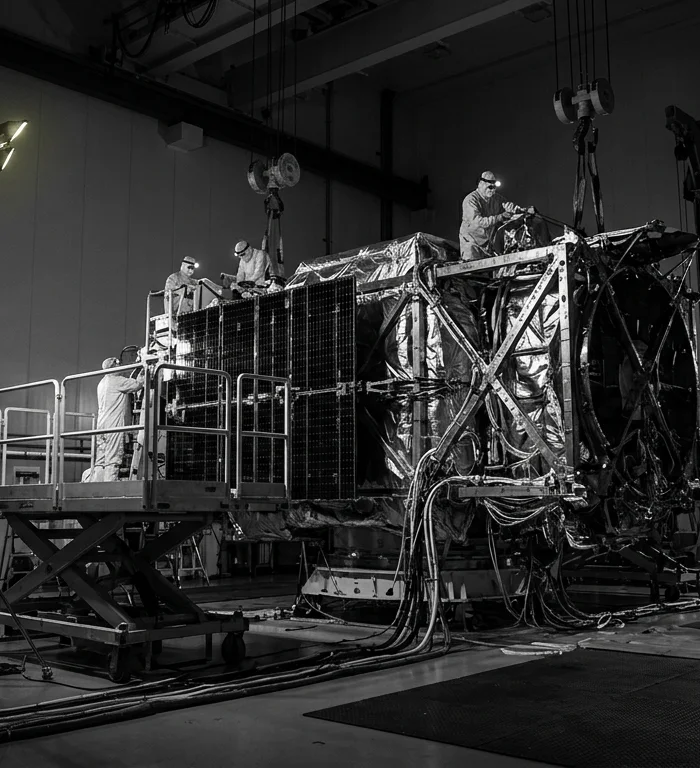
Amazon.com said Tuesday it will acquire satellite operator Globalstar for $11.57 billion , a move the company framed as a way to strengthen its satellite internet ambitions and sharpen competition with SpaceX's Starlink . The transaction was disclosed on April 14 and adds Globalstar’s fleet of roughly two dozen satellites to Amazon’s existing satellite network of over 200 .
The company linked the deal to its broader push behind Project Kuiper , which is designed to build a large low Earth orbit constellation for broadband connectivity. Amazon said the additional satellites are expected to help accelerate Kuiper’s rollout and support its Direct-to-Device (D2D) plans, with deployment anticipated from 2028 .
Globalstar’s system is focused on low-data links that connect directly to mobile devices, a capability used for emergency communications and for coverage in places without reliable cellular service.
Amazon has set a target of deploying about 3,200 satellites in low Earth orbit by 2029 . The company also faces a regulatory milestone that requires half of that planned constellation to be deployed by July , according to the details provided. By combining Globalstar’s assets with its existing satellite footprint, Amazon is positioning itself to expand capacity and broaden the range of services it can offer as it builds out Kuiper.
Globalstar will continue delivering satellite-enabled safety functions for Apple devices under an agreement signed with Amazon. The arrangement covers features including Emergency SOS and Find My for Apple’s iPhone and Apple Watch users, preserving an existing consumer-facing use case while Amazon integrates Globalstar into its wider satellite strategy.
Markets reacted quickly to the announcement. Globalstar shares rose over 10% after the deal was made public, while Amazon stock increased by 3% . The transaction also lands in a satellite broadband market where Starlink is described as the dominant player, with a network of over 10,000 units and more than 9 million users worldwide.
While Amazon outlined how the acquisition supports Kuiper and D2D services, several operational details were not specified in the announcement, including how quickly Globalstar’s satellites will be integrated into Amazon’s broader network and how the timeline aligns with the July regulatory requirement. The companies’ next steps will determine how the combined assets translate into expanded coverage and service offerings across global markets.
More stories
- Europe faces attribution gap after 16 cyber, physical incidents
- PIF backs Grand Theft Auto as Saudi players embrace game
- Signal limits screenshots to curb AI access to messages
- Cognition runs Devin Mac workspaces on EC2 in 6 AWS regions
- Salesforce engineers cut 600-failure triage to 90 minutes
- Türkiye Desk: GTA 6 puts console access and network demand in focus
- Anthropic Mythos AI model exposes systemic blockchain risks
- AI Just Became Your Boss and It’s Hiring Humans
Latest news
- Macy’s parade faces balloon limits as storm winds approach
- COP31 climate talks collapse over fossil fuels and funds
- Highly diversified investors report 91% confidence in retirement
- Russian military faces 1,087 recorded suicides in Ukraine war
- US faces China, Russia in Africa minerals contest
- Russian war deaths top 460,000, Guardian says
- Nvidia board gets Trump input on Jensen Huang return as CEO
- Rwanda faces budget strain from 85% electricity access push