

Melting Glaciers Trigger Rising Threat of Massive Landslide-Induced Tsunamis
Rapid glacial retreat is increasing the frequency of landslide-induced tsunamis, necessitating the development of predictive monitoring systems to manage…
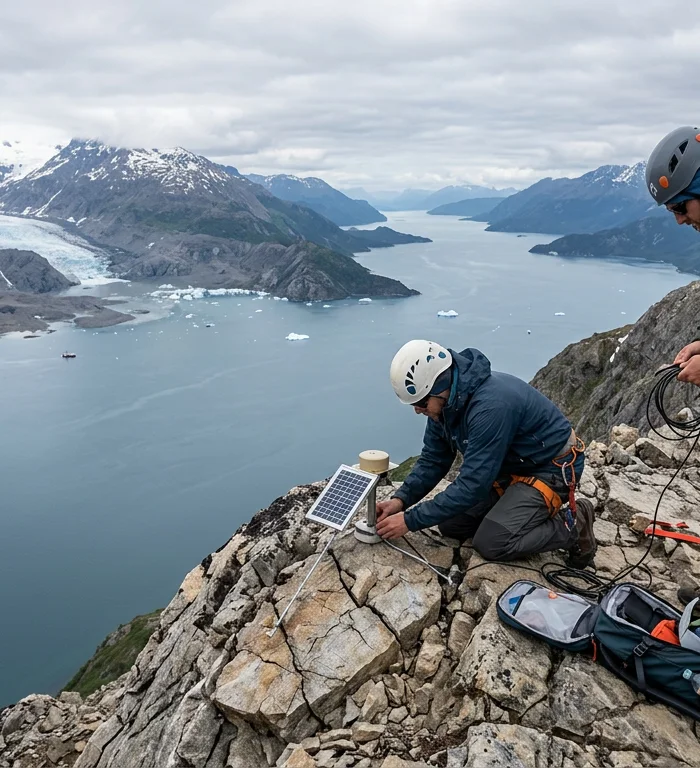
A significant landslide in Alaska recently generated a tsunami reaching 1,580 feet in elevation, marking the second-highest event of this type on record. The incident occurred in a region experiencing rapid glacial retreat, which researchers identify as a primary driver of slope instability in mountainous coastal areas.
Analysis of the event indicates that environmental precursors, including heavy precipitation and thousands of small seismic tremors, preceded the collapse. These indicators suggest that existing seismic and meteorological monitoring infrastructure could be repurposed to provide early warning alerts for maritime and coastal operations.
Institutional risk management in Arctic regions is currently challenged by the lack of dedicated landslide-monitoring programs. Policymakers face a trade-off between restricting access to vast coastal areas or investing in predictive alert systems to mitigate the impact of future geological failures.
More stories
- Istanbul flooding prompts school closures and road bans
- Prince Harry recounts depression during 2019 royal break
- Bangkok floods force evacuations as reservoirs swell in east
- Nor'easter kills one as Northeast flooding disrupts travel
- Northeast nor’easter cuts power as coastal floods build
- Epstein estate executors face federal scrutiny in New York
Latest news
- CoreWeave gains 3.4% after Goldman upgrade
- Fire in Limoges leaves heritage loss and service disruption
- Uganda rice project lifts yields to 25 bags an acre
- Senegal faces end-November ruling in AFCON title appeal
- Macron keeps interior minister after 2,400 France protest arrests
- iShares Semiconductor ETF gains after SOX loses 15.7%
- You Can See Everything grosses $15m from 855 screens
- Rare FN1 mutation may limit brain-vessel damage in APOE ε4 carriers