Aftermath of Iranian missile strikes near Israel’s nuclear facility
Reports indicate Iranian missile activity near Israel's Dimona nuclear facility, escalating regional tensions and prompting international concern.
Cuneyd Erdogan ·
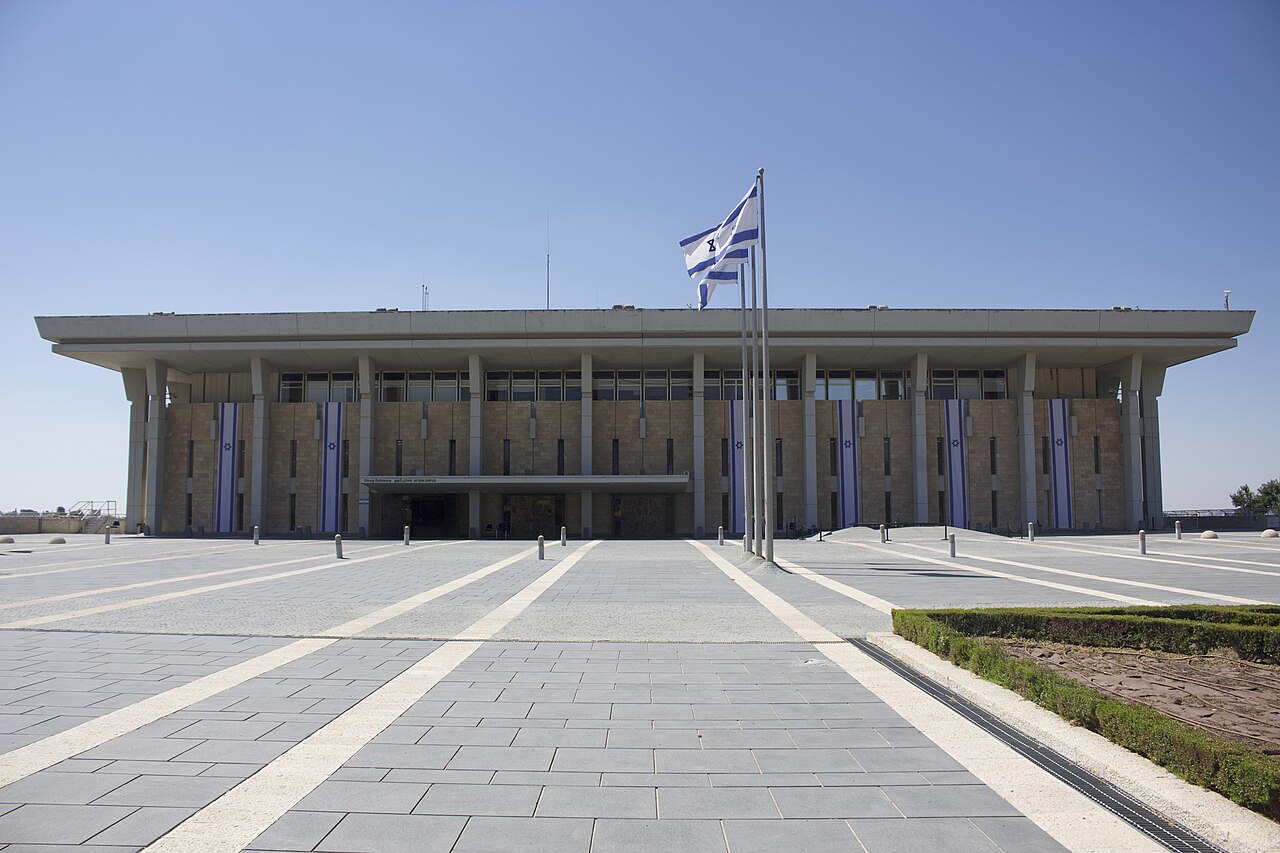
Reports emerged recently regarding Iranian missile activity in proximity to a significant Israeli nuclear facility. While specific details remain limited, the incident has drawn international attention due to the sensitive nature of the location and the ongoing regional tensions. Such events frequently escalate concerns about potential broader conflicts in the Middle East.
Alleged Strike Location
The alleged missile strikes reportedly occurred near the Dimona nuclear facility in Israel's Negev Desert. This site is widely understood to house Israel's primary nuclear reactor and is a critical component of its defense infrastructure. The proximity of any such incident to this location immediately raises alarms regarding regional stability.
Regional Context and Escalation
This event unfolds within a broader context of heightened tensions between Iran and Israel. Both nations have engaged in a protracted shadow war, characterized by cyberattacks, maritime incidents, and proxy conflicts across the region. Direct military actions, even if not causing significant damage, are often interpreted as escalatory steps.
International Reactions and Diplomacy
International bodies and key global powers typically monitor such developments closely. Calls for de-escalation and restraint are common following reports of military actions involving these two nations. Diplomatic efforts often intensify to prevent a full-scale confrontation, which could have severe global economic and political repercussions.
Implications for Nuclear Proliferation
The presence of a nuclear facility near the reported strike zone amplifies concerns about nuclear proliferation and regional security. Any perceived threat to such sites, regardless of actual damage, underscores the fragility of the non-proliferation regime in the Middle East. This situation often prompts renewed discussions on arms control and regional stability.
Historical Precedents and Future Outlook
Historically, both Iran and Israel have demonstrated capabilities to project military power. Iran possesses a diverse arsenal of ballistic missiles, while Israel maintains advanced air defense systems and a robust military. The potential for miscalculation in such a volatile environment remains a significant concern for analysts and policymakers alike. The international community will likely continue to urge both sides to exercise caution and engage in dialogue to prevent further escalation.
Implications
Country Impact: The incident heightens security concerns within Israel and Iran, potentially leading to increased military readiness and defensive postures. It could also influence domestic political discourse in both nations regarding national security.
Industry Impact: The energy sector, particularly oil and gas markets, often reacts to increased Middle East tensions with price volatility. Defense industries in the region may see increased demand for advanced weaponry and missile defense systems.
Market Impact: Global financial markets, including equities and commodities, typically exhibit caution and increased volatility in response to geopolitical instability in the Middle East. Oil prices, in particular, are sensitive to any perceived threat to regional supply lines.