Slovenia’s governing liberals face right-wing populists in tight election
Slovenia's liberal government faces a tight election against right-wing populists, reflecting broader European political shifts and economic concerns.
Cuneyd Erdogan ·
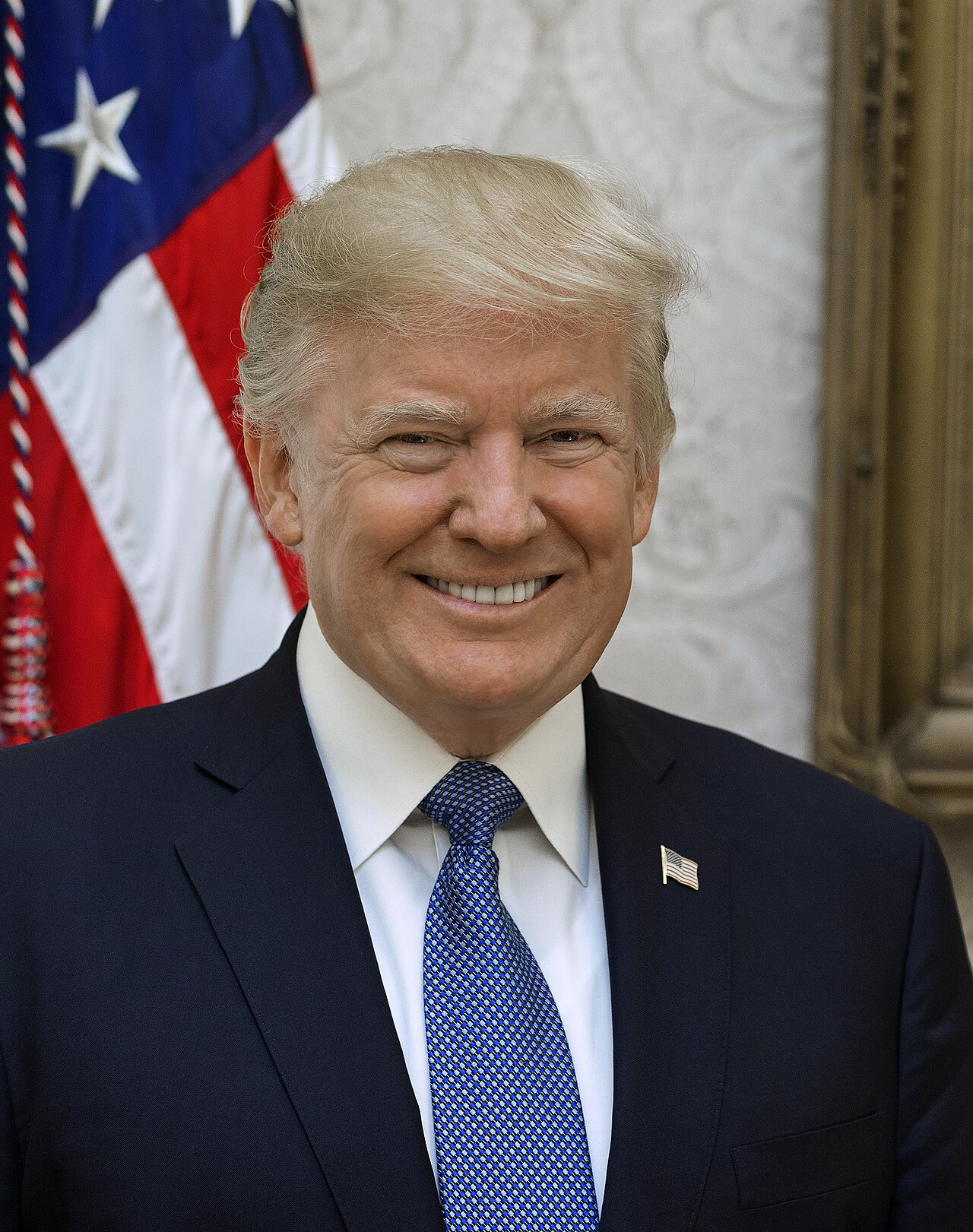
Slovenia's political landscape is currently defined by a close electoral contest, with the ruling liberal party confronting a significant challenge from right-wing populist factions. This dynamic reflects broader European trends where established centrist parties are increasingly pressured by nationalist and anti-establishment movements. The outcome of such elections often dictates the nation's stance on European Union policies, economic reforms, and social issues.
Political Landscape Overview
The liberal government, typically advocating for pro-European integration and market-oriented policies, has been navigating a complex domestic and international environment. Their platform generally emphasizes democratic institutions, environmental protection, and social inclusivity. This approach contrasts sharply with the agenda of right-wing populist parties.
Right-wing populist movements in Slovenia, similar to those in other Central and Eastern European nations, often prioritize national sovereignty, stricter immigration controls, and traditional social values. They frequently criticize the European Union's perceived overreach and globalist policies, appealing to segments of the electorate feeling disenfranchised by mainstream politics.
Key Electoral Dynamics
The tightness of the election suggests a deeply divided electorate, where voter turnout and the ability of parties to mobilize their bases will be crucial. Issues such as inflation, energy prices, and healthcare provision are likely central to public debate and voter decision-making. Economic stability and the cost of living remain primary concerns for many Slovenian citizens.
Historically, Slovenia has maintained a relatively stable political system since its independence, characterized by coalition governments. However, the rise of populist sentiment introduces an element of unpredictability, potentially leading to more fragmented parliaments and challenging coalition formations. The country's economic performance, particularly its integration within the Eurozone, often plays a significant role in electoral outcomes.
Regional and European Implications
A shift in Slovenia's political leadership could have implications for its foreign policy and its relationship with the European Union. A more populist government might align with other Visegrád Group nations on certain issues, potentially challenging consensus within the EU on matters such as migration, rule of law, and climate policy. Conversely, a continued liberal mandate would likely reinforce Slovenia's commitment to core EU principles and closer integration.
The election's result will be closely watched by Brussels and neighboring countries, as it could signal the direction of political sentiment in the Western Balkans and Central Europe. The stability of Slovenia's democratic institutions and its economic trajectory are key factors for regional equilibrium. The upcoming period will test the resilience of Slovenia's political system and its capacity to address both domestic challenges and external pressures effectively.
Outlook and Potential Outcomes
Given the tight race, various post-election scenarios are plausible, ranging from a continuation of the current liberal-led coalition, albeit potentially with new partners, to a government led by right-wing populists. Coalition negotiations are expected to be complex and protracted, reflecting the diverse political preferences within the country. The ability of parties to compromise and form stable governing alliances will be paramount for the nation's governance in the coming term.
Implications
Country Impact: The election outcome will determine Slovenia's domestic policy direction, particularly on economic reforms, social welfare, and immigration. A fragmented result could lead to prolonged coalition negotiations and potential political instability.
Industry Impact: Changes in government policy could affect sectors such as energy, infrastructure, and technology, depending on the incoming administration's priorities. Pro-business policies or increased state intervention could impact investment climates.
Market Impact: Financial markets may react to the election results based on perceived political stability and the economic policies of the new government. Uncertainty during coalition formation could lead to short-term market volatility, particularly for Slovenian bonds and equities.