Oil Prices Surge After Israeli Strike on Iran Gas Field
Oil prices surged after reports of an Israeli strike on Iran's South Pars gas field, raising concerns over Middle East energy supply disruptions.
Cuneyd Erdogan ·
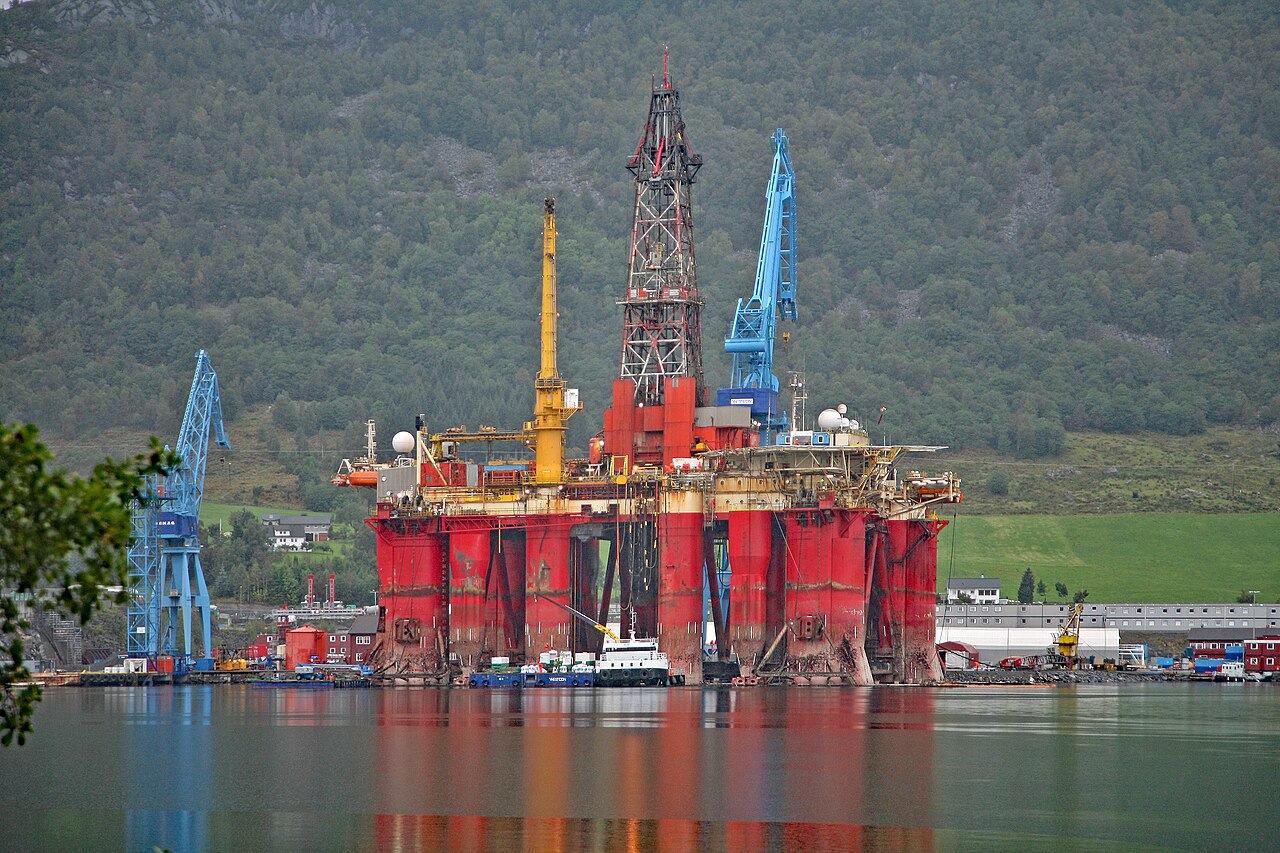
Global oil prices experienced a significant increase following reports of an Israeli military strike targeting Iran's South Pars gas field. This development, occurring in a region critical to global energy supplies, immediately heightened concerns about potential disruptions to crude oil and natural gas production and transit routes.
Geopolitical Tensions Escalate
The alleged strike, if confirmed, marks a substantial escalation in the long-standing tensions between Israel and Iran. Such an action directly targeting critical energy infrastructure could provoke a strong response from Tehran, further destabilizing the Middle East.
Strategic Importance of South Pars
South Pars, located in the Persian Gulf, represents the world's largest natural gas field, shared between Iran and Qatar. Iran's portion of the field is vital for its domestic energy consumption and a significant source of its export revenues, primarily through natural gas and associated condensate production. Any damage to this facility would have profound implications for Iran's economy and its capacity to supply energy markets.
Market Reaction and Energy Security
Crude oil benchmarks, including Brent and WTI, reacted sharply to the news, reflecting investor anxiety over supply security. The Strait of Hormuz, a narrow waterway through which a substantial portion of the world's seaborne oil passes, lies in close proximity to the South Pars field. Any military action or retaliatory measures in this area could impede shipping and lead to further price volatility.
Historical Context of Regional Conflict
The Middle East has a history of geopolitical events impacting global energy markets. Previous conflicts and incidents involving major oil-producing nations have consistently led to price spikes and increased market uncertainty. This latest incident adds another layer of risk to an already volatile region, particularly given the broader proxy conflicts involving Iran and its regional adversaries.
International Diplomatic Responses
International bodies and major global powers are expected to closely monitor the situation and potentially issue calls for de-escalation. The United States, a key ally of Israel and a significant player in Middle Eastern diplomacy, would likely engage in efforts to prevent a wider conflict that could severely impact global economic stability. The European Union, heavily reliant on energy imports, would also be keenly interested in maintaining stability in the region.
Potential Economic Ramifications
Beyond immediate oil price fluctuations, a sustained escalation could trigger broader economic consequences. Higher energy costs could fuel inflation globally, impacting consumer spending and industrial production. Central banks, already grappling with existing inflationary pressures, might face renewed challenges in managing monetary policy. The long-term implications for global trade routes and supply chains also remain a significant concern.
Implications
Country Impact: Iran's economy would face severe pressure from damage to its primary gas field, impacting domestic energy supply and export revenues. Regional stability would deteriorate, potentially drawing in other nations and increasing the risk of broader conflict.
Industry Impact: The global energy sector, particularly oil and gas, would experience heightened volatility and supply concerns. Shipping and maritime insurance industries operating in the Persian Gulf would face increased risks and costs.
Market Impact: Global crude oil prices would likely sustain upward pressure, leading to higher energy costs for consumers and businesses worldwide. Equity markets could see downturns due to increased geopolitical risk and inflationary fears, while safe-haven assets like gold and government bonds might appreciate.